
Plants
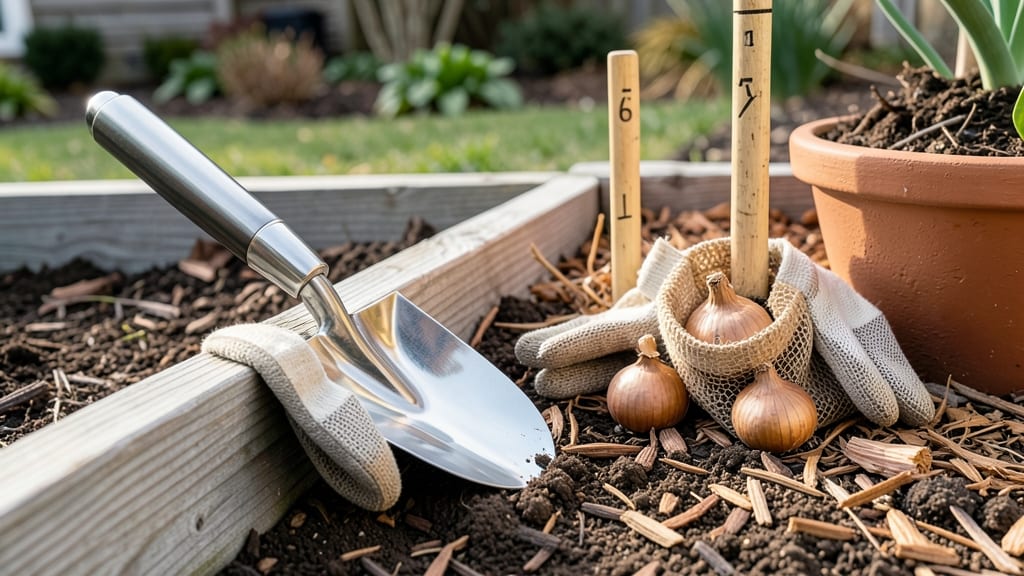
If you've ever planted daffodil bulbs 🌼 in California only to watch them bolt prematurely or fail to bloom, you're not alone—and timing is the key to avoiding this frustration.
The perfect moment to plant these cheerful flowers depends on your region's microclimate, from coastal chill to inland heat. Northern California's cooler zones need bulbs in the ground by December, while Southern California's milder winters allow planting as late as January.
Getting this right means vibrant spring blooms instead of wasted effort.
I'll break down the best months for your specific area, including soil temperature tricks and frost-free dates that prevent those unwanted surprises. Whether you're in the Bay Area or the desert, these insights will help you plant with confidence.
Ready to transform your fall garden prep into a springtime showstopper? Let's dive into the science and strategies that make all the difference for California daffodils.
California daffodil planting calendar by region: avoid bolt risk in coastal vs desert zones
California’s diverse climate—from foggy coastal zones to scorching desert valleys—means one planting time doesn’t fit all for daffodils. In Northern California, cooler temperatures allow earlier planting, while Southern California’s mild winters demand later timing to prevent premature blooming.
Even within regions, microclimates like urban heat islands or high-elevation gardens shift the ideal window.
Daffodils need 6-8 weeks of chill hours (below 40°F) to break dormancy, but bolt risk spikes if they experience warm spells too soon. For example, planting in October in the Bay Area might trigger early shoots, while January in Palm Springs could leave bulbs dormant too long.
Let’s break down the exact months for your zone to avoid these pitfalls.
🌱 Visual Element: Comparison Table
| Region | Best Planting Months | Soil Temp Trigger | Frost Risk | Bolt Risk |
|---|---|---|---|---|
| Northern CA (SF, Sacramento) | October–November | Below 60°F | Low (Dec 15) | Low (cooler nights) |
| Central Valley (Fresno, Stockton) | November–December | Below 55°F | Moderate (Dec 1) | Moderate (hot days) |
| Southern CA (LA, San Diego) | November–January | Below 50°F | Low (Jan 15) | High (mild winters) |
| Desert (Palm Springs, Joshua Tree) | December–January | Below 45°F | None | Very High (warm days) |
*Bolt risk = premature blooming before spring
For Northern California, aim to plant 6-8 weeks before your first frost (typically by mid-November). Use 'Tête-à-Tête' varieties—they’re compact and bloom reliably even in cooler zones. In coastal areas like Santa Cruz, where fog delays soil cooling, wait until late October to avoid soggy soil issues.
In Central Valley, where days warm up quickly, plant after Thanksgiving to ensure bulbs get enough chill. Soil thermometers are your best friend here—wait until temps drop to 55°F at 6 inches deep. Varieties like 'Ice Follies' (double blooms) handle the heat better than standard types.
Southern California’s mild winters are the trickiest—planting too early can trigger bolt risk, while late planting may leave bulbs dormant. November is your sweet spot, but adjust for elevation: mountainous areas like Big Bear can plant in October, while coastal Orange County should wait until December.
Desert regions like Palm Springs require the latest planting to prevent bolting. January is ideal, but monitor soil temps—below 45°F is critical for dormancy. Use black plastic mulch to warm soil faster in spring, but remove it by February to avoid overheating bulbs.
Pro tip: Test your soil’s chill capacity with a thermometer buried at 6 inches. If temps stay above 40°F for more than 3 weeks, your bulbs may bolt. For high-risk zones, try container planting—move pots to shade during warm spells.
🌼
How to time daffodil bulbs for zero bolt risk: soil temperature and chill hours explained
Daffodils need cold dormancy to bloom properly, but California’s mild winters can trick them into premature sprouting—or worse, bolt risk—before spring. The key? Planting when soil temperatures drop below 60°F and your region has accumulated enough chill hours (300–500 hours below 45°F).
Without this, your bulbs might shoot up weak stems or even rot.
Use a soil thermometer (insert 4–6 inches deep) to confirm temperatures. In Northern California, aim for October–November when nights dip into the 50s. Southern California gardeners should wait until November–January—later is better than earlier in coastal zones like San Diego, where winters are almost frost-free.
Most daffodil varieties need 6–8 weeks of chill before blooming. Check your USDA zone: Zone 7b–9a (common in CA) requires deeper dormancy than Zone 10b (Desert regions).
For example, ‘Ice Follies’ (dwarf) tolerates 300 chill hours, while ‘Tête-à-Tête’ needs 400+. Plant deeper (8 inches) in warmer zones to delay sprouting.
Key Takeaway: The Chill Hour Rule
- 300–400 chill hours = Plant October–November (Northern CA)
- 400–500 chill hours = Plant November–January (Southern CA)
- Zone 10b+: Use pre-chilled bulbs or plant in shade
- Soil temp trigger: Below 60°F for 4+ weeks
Adjust planting depth based on your microclimate. In coastal areas (e.g., Santa Barbara), plant bulbs 6 inches deep to protect them from erratic frost. In inland valleys (e.g., Sacramento), 8 inches deep prevents early sprouting.
Mulch with 3–4 inches of straw after planting to insulate roots and retain moisture during winter dry spells.
Watch for bolt risk—when daffodils shoot up weak, elongated stems in winter. This happens when bulbs experience warm spells above 50°F too early. If you see this, cover bulbs with a frost blanket or move potted bulbs to a garage until temperatures stabilize.
Varieties like ‘Carlton’ are more resilient to bolt risk than ‘Dutch Master’.
Pro tip: Plant ‘February Gold’ or ‘Minnow’ in January for late-winter blooms—they handle California’s unpredictable microclimates better than traditional spring daffodils. Pair them with snowdrops or grape hyacinths for layered winter interest.
Remember: Soil prep matters just as much as timing. Amend heavy clay with compost to improve drainage, and avoid fresh manure—it can burn bulbs and trigger rot. A well-draining, slightly sandy loam (pH 6.0–7.0) is ideal for daffodils in California’s diverse soils.