
Plants
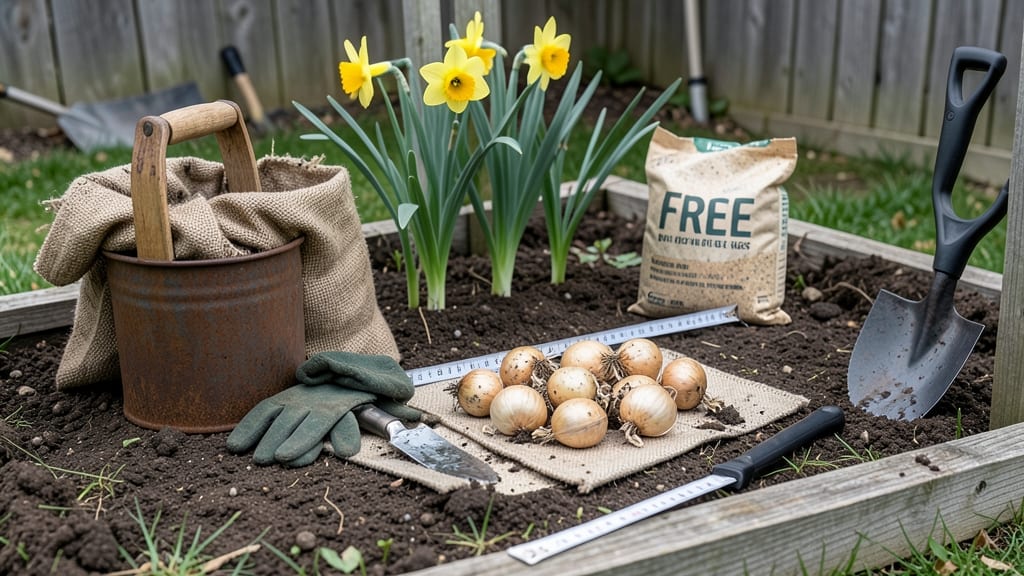
Planting daffodil bulbs in Missouri at the wrong time can mean the difference between a showstopping spring display and a sad, frozen mess in your garden. The key isn't just when you plant—it's understanding how Missouri's 5b-6b climate zones create microclimates where a week can make or break your bulbs.
Most gardeners assume "fall planting" means anytime between September and November, but in Missouri, that window narrows dramatically. Plant too early, and your bulbs may rot in damp soil before winter sets in.
Wait too long, and they won’t get the 40–50°F chill they need to trigger those iconic 🌼 blooms. I’ll show you the exact dates—and how to adjust for northern vs. southern Missouri—to guarantee your daffodils wake up ready to shine.
You’ll also discover why October is the sweet spot for most of the state, plus how to spot soil that’s truly ready (hint: it’s not just about temperature).
Whether you’re a first-time planter or a veteran gardener, these insights will help you avoid the three biggest mistakes Missouri gardeners make—and set your daffodils up for a zero-frost failure season.
Ready to transform your fall planting routine? Let’s dive into the timing secrets that’ll have your garden bursting with color by spring.
Missouri’s ideal daffodil bulb planting window: exact dates and climate zones
Missouri’s USDA Zones 5b-6b create a 6-week fall window for daffodil bulbs—perfect for avoiding rot in early cold and ensuring winter chill exposure. The sweet spot is mid-September to mid-November, but urban areas like St. Louis freeze earlier than rural zones like southwest Missouri.
Check your last frost date (typically October 15) and plant 4-6 weeks before ground temps drop below 40°F.
Daffodil bulbs need 6-10 weeks of winter chill (32-40°F) to bloom. In northern Missouri (Zone 5b), aim for early October planting—soil temps should be 50-60°F and cooling fast.
Southern Missouri (Zone 6b) gardeners can wait until mid-October, but don’t delay past November 15 or risk bulbs sprouting before winter sets in.
Soil temperature is your best guide, not just calendar dates. Use a soil thermometer to confirm temps between 40-50°F—this signals bulbs can root without rotting.
In Missouri’s unpredictable fall, a late September warm spell might fool you; always verify with a 10-minute soil check at 6-inch depth.
Missouri’s microclimates throw a wrench into one-size-fits-all advice. Urban heat islands (like Kansas City) stay warmer longer, while rural farmland cools faster. If you’re unsure, plant early—bulbs won’t sprout until spring, and extra time in the ground only helps.
For late planners, cover bulbs with 4-6 inches of mulch after planting to insulate them from early frosts.
Pro Tip: Missouri’s clay-heavy soils drain poorly when wet. Amend planting areas with compost or coarse sand to prevent bulb rot. A raised bed is ideal for urban gardeners with compacted soil, giving roots the well-draining environment daffodils crave.
| Zone | Ideal Planting Window | Soil Temp Threshold | Missouri Microclimate Notes |
|---|---|---|---|
| 5b (North) | Sept 15–Oct 15 | 50–60°F | Faster freeze; urban areas hold heat longer |
| 6a (Central) | Oct 1–Nov 1 | 45–55°F | Moderate chill; rural areas cool quicker |
| 6b (Southwest) | Oct 15–Nov 15 | 40–50°F | Longer growing season; watch for late frosts |
🌡️ Use a soil thermometer—don’t guess!
Missouri’s first hard frost (below 28°F) typically arrives November 1–15, but bulbs planted by mid-November can still survive if soil is dry and well-drained. For late-season planters, choose dwarf varieties like ‘Tête-à-Tête’—they’re more frost-tolerant and bloom earlier.
If you miss the window, store bulbs in a cool, dark place (like a garage) and replant next fall.
Missouri gardeners often overlook mulch as a frost protector, but a 4-inch layer of straw or shredded leaves adds 5-10°F insulation to the soil. Apply mulch after planting and before first frost to shield bulbs from temperature swings.
In windy areas, add a lightweight row cover for extra protection until winter settles.
For container gardening in Missouri, use well-draining pots with drainage holes and plant bulbs shallow (4 inches deep) since roots have limited space. Move containers to a protected location (like a garage) if temps drop below 20°F for more than 24 hours.
Daffodils in pots need consistent moisture—don’t let them dry out completely during winter.
Missouri’s spring blooms are worth the fall effort. By planting in the ideal window, you’ll see vibrant daffodils in April-May, just as winter’s grip loosens. Mark your calendar for October 1–15—this is your golden hour for daffodil success in the Show-Me State.
5 Signs your Missouri soil is ready for daffodil bulbs (and 3 mistakes killing your bulbs)
Before you even dig into your Missouri garden, check if your soil is truly ready for daffodil bulbs. The wrong conditions can turn your fall planting into a winter disaster.
I’ve seen gardeners rush into planting only to watch their bulbs rot in soggy soil or freeze before establishing roots—both preventable mistakes.
Missouri’s clay-heavy soils and unpredictable early frosts add extra challenges. The key is testing three critical factors: drainage, moisture levels, and soil temperature. Skip these checks, and you might as well toss your bulbs in the compost bin.
Here’s how to tell if your soil is ready—and what to fix if it’s not.
⚠️ 3 Mistakes That Kill Missouri Daffodil Bulbs
- Planting in soggy soil: Missouri’s heavy clay retains too much moisture, causing bulbs to rot before winter. Fix: Amend with compost or sand to improve drainage.
- Ignoring frost forecasts: Planting too late in November risks bulbs freezing before rooting. Fix: Use local frost dates (check NOAA’s climate tool) and plant 4–6 weeks before first frost.
- Skipping soil tests: pH below 6.0 or above 7.5 stunts bulb growth. Fix: Test your soil (Missouri State University offers free kits) and adjust with lime or sulfur.
Now, let’s focus on the 5 green lights that mean your soil is perfect for planting. First, dig a hole and check if water drains within 1–2 hours. If it pools, your soil is too dense.
Second, press your finger into the soil—it should feel moist but not sticky. Finally, use a soil thermometer to confirm temperatures are between 40–50°F (ideal for root growth).
Missouri’s northern regions (like St. Louis) often need to wait until mid-October for soil to cool, while southern areas (e.g., Springfield) can plant as early as late September. Pro tip: Mulch after planting to insulate bulbs from temperature swings—a 10°F drop can shock tender roots.
One more critical check: Look for earthworms in your soil. Their presence means your garden has aerated, fertile soil—exactly what daffodil bulbs crave. If you spot none, add compost or aged manure to boost organic matter before planting.
Missouri’s unpredictable weather can turn a perfect planting day into a muddy mess. Always plant on a cool, cloudy day (not a warm weekend) to reduce stress on bulbs. And if rain is forecast within 48 hours, delay planting until the ground firms up.