
Plants
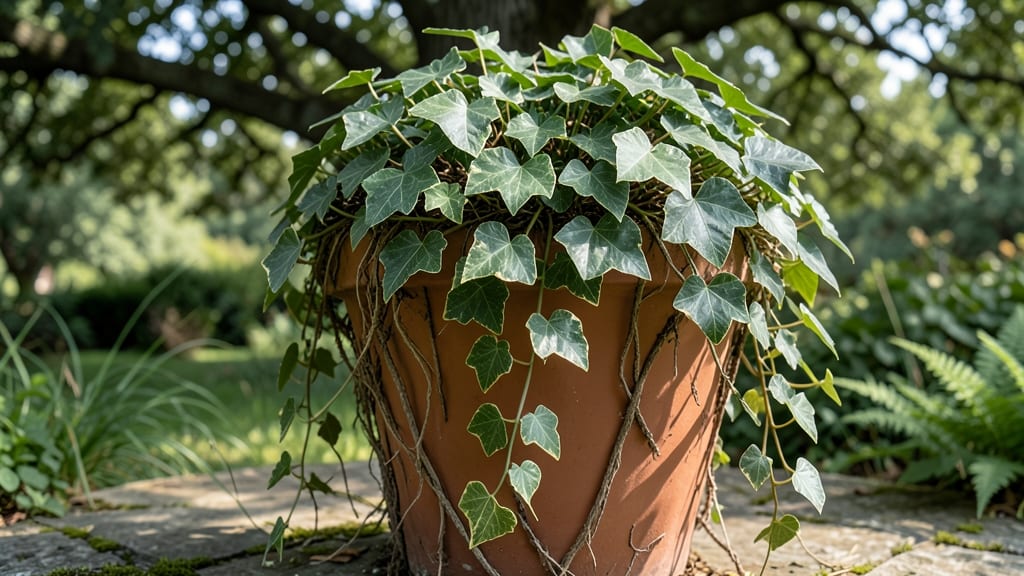
Wondering how much light does an ivy plant need to stay lush and happy? You’re not alone—many gardeners struggle with this question, especially when their 🌿 ivy starts looking sad or crispy.
The truth is, ivy is one of the most forgiving plants, but getting the light balance right makes all the difference between vibrant growth and struggling leaves.
Ivy thrives in low to medium light, making it perfect for offices, bathrooms, or shady corners where other plants wilt. Too much direct sun can scorch those delicate leaves, while too little light slows growth.
The key is finding that sweet spot—bright but indirect light—that keeps your ivy lush without risking damage.
In this guide, I’ll break down exactly what your ivy needs, from ideal placement near windows to recognizing signs of over- or underlighting. Whether you’re dealing with English ivy, Hawaiian ivy, or another variety, you’ll learn how to adjust care for healthy, thriving growth—no guesswork required.
Ready to give your ivy the perfect light conditions? Let’s dive into the simple tricks that’ll keep your plant flourishing year-round.


Ivy plant light requirements: ideal conditions for healthy growth
Ivy plants are famous for thriving in spaces where other plants struggle—like dimly lit offices or shady corners of your home. But while they’re low-light tolerant, not all ivy varieties have the same needs.
Understanding your ivy’s light spectrum preferences (low, medium, or bright indirect) is the key to preventing leaf burn or stunted growth. Let’s break down the ideal conditions for each type.
Most common ivy varieties, like English ivy (Hedera helix), prefer bright indirect light but can adapt to low-light conditions. This means placing them near a north-facing window or a few feet away from an east or west window.
Direct sunlight, especially in the afternoon, can scorch those delicate leaves, turning them crispy and brown.
For Swedish ivy (Plectranthus verticillatus) or Hawaiian ivy (Deroxyton nerifolium), the rules shift slightly. These varieties tolerate even lower light levels than English ivy, making them perfect for bathrooms or hallways with minimal natural light.
However, they’ll reward you with vibrant growth if given a few hours of filtered sunlight daily.
Here’s how to spot if your ivy isn’t getting the right light: Yellowing leaves often signal too much direct sun, while pale or sparse foliage means it’s craving more brightness.
If the leaves start curling or dropping, your ivy might be in stress from inconsistent light. Adjusting its placement can often fix these issues quickly.
If you’re growing ivy outdoors, partial shade is ideal—think dappled sunlight under trees or a north-facing wall. In containers, rotate the pot every few weeks to ensure even light exposure.
This prevents one side from becoming overly leggy or pale. For indoor ivy, a south-facing window with sheer curtains works wonders, filtering harsh rays while still providing enough light.
Pro tip: Monitor your ivy’s growth direction. If it stretches aggressively toward a light source, it’s begging for more brightness. Conversely, if new leaves are tiny and dark, it’s likely getting too much shade.
Adjust gradually—sudden changes can shock the plant. A few inches closer to a window or a simple curtain tweak can make all the difference.
For English ivy, aim for 4-6 hours of indirect light daily during spring and summer. In winter, when natural light dims, supplement with a grow light if you notice slowed growth.
Swedish and Hawaiian ivy can thrive with as little as 1-2 hours of filtered light, making them ideal for offices or rooms without direct sunlight.
Remember, ivy is highly adaptable, but it won’t tolerate neglect. If you notice browning leaf tips, move it away from direct sun immediately. For pale or weak growth, gradually introduce more light over a week to avoid shocking the plant.
With the right balance, your ivy will reward you with lush, vibrant foliage for years.
🌿
How to adjust your ivy’s light exposure without risking leaf burn
Transitioning your ivy to the perfect light spot isn’t just about moving it—it’s about doing it slowly and strategically. Sudden changes can shock your plant, causing yellowing leaves or crispy brown edges.
If your ivy is currently in a too-bright spot, like a south-facing window, start by moving it 3-5 feet away and monitor for a week before adjusting further.
For ivy in dim corners, gradually increase light exposure by placing it near a sheer curtain first. This mimics natural light filtering, helping your plant adapt without stress.
Avoid direct sun—even a few hours can scorch delicate foliage. Think of it like sunbathing with sunscreen—your ivy needs protection too!
The key is observing your ivy’s leaf color and texture. Healthy leaves stay deep green and glossy. If you notice pale or yellowing leaves, it’s a sign of too much light.
Conversely, dark green but sparse growth means it’s not getting enough. Adjust placement incrementally—small changes prevent shock.
Seasonal shifts matter too. In summer’s intense sunlight, move your ivy farther from windows or use light-colored curtains to diffuse harsh rays. During winter’s shorter days, supplement with a grow light for 4-6 hours daily if natural light drops below 2-4 hours.
Outdoor ivy needs extra care. If your plant is climbing a trellis or fence, ensure it’s not baking in direct afternoon sun. Instead, position it where it gets morning sun and afternoon shade.
For potted ivy on patios, use dappled shade—like under a tree—to keep leaves lush and hydrated.
Pro tip: Rotate your ivy’s pot every few weeks to ensure even light exposure. This prevents lopsided growth and keeps foliage balanced. A simple quarter-turn keeps your ivy looking full and healthy without extra effort.
Remember, ivy is resilient, but light adjustments should be gradual. Rushing leads to stress, while patience leads to thriving, vibrant growth. With these small tweaks, your ivy will adapt beautifully—no leaf burn in sight!
⚠️ Watch for These Signs of Light Stress
- Brown, crispy edges = Too much direct sun
- Pale, yellow leaves = Light is too harsh
- Leggy, sparse growth = Needs more light
- Dark green but slow growth = Light is insufficient
Act fast! Adjust light exposure immediately to prevent permanent damage.