
Planting
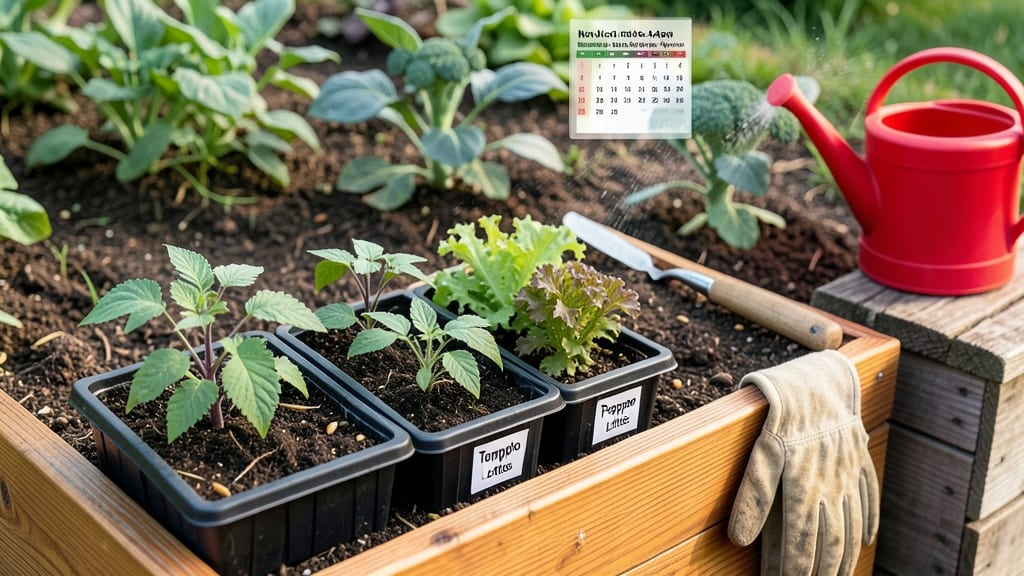
When to plant a vegetable garden in North Carolina can make or break your harvest—get the dates wrong, and you’ll end up with bitter greens or stunted tomatoes before you know it. The state’s dramatic climate shifts from mountain chill to coastal heat mean there’s no one-size-fits-all answer, but with the right microclimate-specific approach, you can avoid common pitfalls and enjoy a bountiful garden all season.
I’ve spent years testing planting windows across NC’s 7 distinct zones, and what I’ve learned is that even a 2-week difference can mean the difference between a thriving crop and a wasted effort.
Whether you’re in the Piedmont’s rolling hills or the Coastal Plain’s humid lowlands, knowing when to start seeds indoors versus transplanting outdoors is the key to success.
In this guide, I’ll break down the exact planting windows for your favorite vegetables—tomatoes, peppers, and greens—so you can time everything perfectly. We’ll also cover how to adjust for NC’s unpredictable weather, from late frosts to sudden heatwaves, so you can protect your garden and maximize your yield.
Ready to grow a garden that actually thrives? Let’s dive into the microclimate-specific dates that will help you avoid bolting onions, bitter lettuce, and other common mistakes—so you can enjoy a harvest that’s as rewarding as it is delicious.
NC planting zones & microclimate-specific dates by vegetable type
North Carolina spans seven USDA hardiness zones, from the chilly mountains (Zone 6) to the balmy coastal plain (Zone 8). These zones dictate when to plant your vegetable garden, but microclimates—like urban heat islands or sheltered valleys—can shift planting windows by 2-4 weeks.
For example, Asheville’s last frost often hits April 15, while Wilmington’s can linger until March 1. Understanding these differences helps you avoid bolting greens or stunted tomatoes.
Cool-season crops like lettuce and spinach thrive when soil temps stay below 75°F. In the Piedmont (Zone 7), this means planting as early as February for a spring harvest, while coastal gardeners should wait until late January to avoid heat stress.
Warm-season lovers like tomatoes and peppers need soil at 60°F+, so mountain gardeners should wait until mid-May, while coastal gardeners can start by April 15.
Here’s how to match your location to the perfect planting window for NC’s most popular vegetables, including frost-free dates and zero-bolt risk periods:
| Vegetable | Mountains (Zone 6) | Piedmont (Zone 7) | Coastal Plain (Zone 8) | Zero-Bolt Window |
|---|---|---|---|---|
| Lettuce | Feb 15–Mar 15 | Feb 1–Mar 10 | Jan 15–Feb 28 | Before 75°F soil |
| Spinach | Feb 1–Mar 10 | Jan 20–Feb 20 | Dec 15–Jan 31 | Avoid summer heat |
| Onions | Mar 1–Apr 15 | Feb 15–Mar 30 | Jan 1–Feb 15 | Plant 4-6 weeks before last frost |
| Tomatoes | May 1–Jun 1 | Apr 15–May 15 | Mar 15–Apr 30 | Soil 60°F+ |
| Peppers | May 15–Jun 15 | Apr 30–May 30 | Mar 1–Apr 15 | Start indoors 8-10 weeks early |
For coastal NC gardeners, the longer growing season means you can often plant twice for warm-season crops. For example, sweet potatoes can go in the ground as early as April 1 in Wilmington, while mountain gardeners should wait until May 15.
Use row covers to extend your spring planting window by 2-3 weeks in cooler zones, protecting tender seedlings from late frosts.
Pro tip: Check your local Cooperative Extension Service for hyper-local frost dates. For instance, Raleigh’s average last frost is April 1, but 2023 saw it linger until April 22. Planting succession crops like bush beans every 2 weeks ensures a steady harvest, regardless of weather quirks.
If you’re in the mountains (Zone 6), prioritize fast-maturing varieties like ‘Early Girl’ tomatoes (65 days)
How to adjust planting dates for NC’s unpredictable weather patterns
North Carolina’s weather is famously fickle—one day you’re shivering through a late frost, and the next, your lettuce is bolting in a heatwave. The key to beating these unpredictable patterns is flexibility.
I’ve learned to adjust planting dates based on soil temperature, local forecasts, and even the phase of the moon (yes, really!).
For example, in the Coastal Plain, where humidity lingers, I delay warm-season crops like peppers until the soil hits 65°F, even if the calendar says it’s spring.
Another trick I swear by is using row covers or cold frames to extend your growing season. In the mountain regions, where frosts can linger into May, these tools let me plant cool-season crops like spinach a full 3 weeks earlier than the average date.
It’s like giving your garden a cozy blanket to fight off the chill. Plus, they protect tender seedlings from late frost damage, which can wipe out an entire planting in hours.
🌱
📌 5 Pro Tips to Adjust for NC’s Weather
- Use a soil thermometer—plant warm-season crops only when soil is 60°F+ for 10+ days.
- Check the 10-day forecast—delay planting if frost is predicted within 2 weeks.
- Start seeds indoors 4-6 weeks before your last frost date to beat the rush.
- Succession plant every 2-3 weeks for continuous harvests despite weather swings.
- Watch the moon phases—plant above-ground crops (like tomatoes) during the waxing moon for faster growth.
One of my biggest lessons came from a 2022 heatwave that hit the Piedmont in early April. My usual March onion planting bolted within weeks because the soil warmed too quickly.
Now, I wait until mid-April and use shade cloth to keep them cool. It’s all about reading the cues—your garden will tell you when it’s time to adapt.
For coastal gardeners, humidity is the real enemy. I’ve found that spacing plants wider and using fungicide sprays prevents diseases like powdery mildew, which thrives in the sticky air.
In the mountains, though, the challenge is short growing seasons, so I focus on fast-maturing varieties like ’Early Girl’ tomatoes (60 days to harvest) and ’Salad Bowl’ lettuce (30 days).
Don’t forget to monitor your local weather station—tools like the NC State Climate Office provide hyper-local frost dates and heat alerts. I also set up frost alarms in my garden to wake me up if temperatures dip below 32°F.
With these adjustments, you can turn NC’s wild weather into an advantage, not a obstacle.
☀️