
Plants
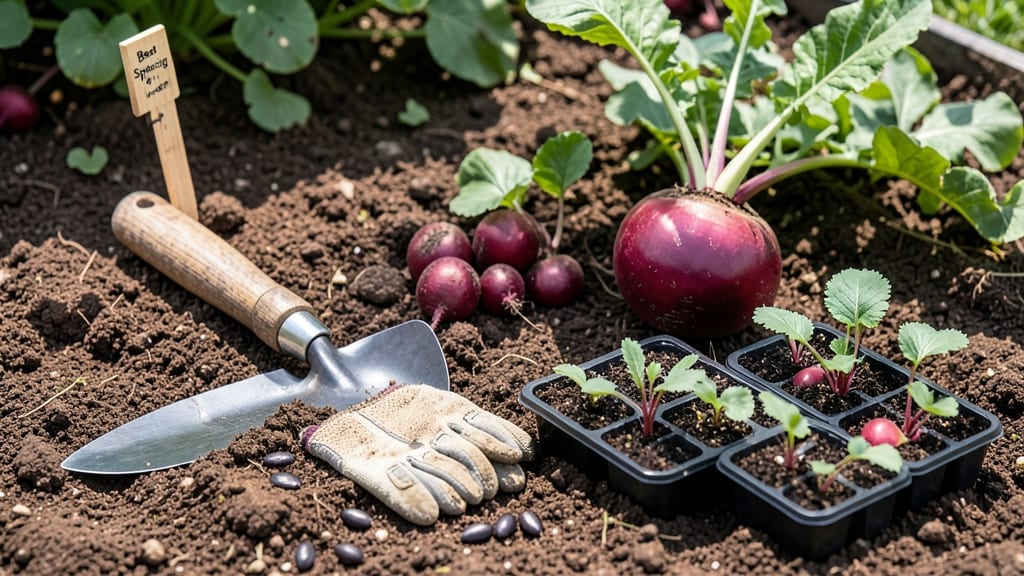
Planting fall beets in Zone 6 at the wrong time can mean the difference between a bounty of sweet, tender roots and bitter, bolted greens.
The key is timing—aim for 4-6 weeks before your first frost, typically between mid-August and early September, to give your 🍠 beets enough time to mature without succumbing to cold snaps.
I’ve learned the hard way that rushing the process leads to disappointment. Too early, and your beets bolt from the heat; too late, and frost turns them mushy. But with the right schedule, you’ll enjoy a harvest that lasts well into winter.
Let’s break down exactly when to plant for the best results in your Zone 6 garden.
Most gardeners in Zone 6 (including 6a) start seeds in late summer, around August 1st, to ensure roots reach maturity before temperatures drop. This window gives you flexibility—whether you’re growing classic Detroit beets or smaller varieties like Baby Beets.
Don’t worry if your frost date varies slightly; we’ll cover how to adjust for early or late frosts. With the right prep, you’ll have a steady supply of homegrown beets long after store-bought options disappear. Ready to dig in?
Best weeks before frost to plant fall beets in Zone 6
Timing your fall beet planting in Zone 6 hinges on one key number: 8-10 weeks before your first frost. For most of Zone 6, that means aiming for mid-August to early September. This window ensures your beets mature before cold snaps turn their sweet roots woody or mushy.
Beets need 60-70 days to reach harvest size, so planting too late risks frost damage before they’re ready. Conversely, starting too early in July may trigger bolting—when beets send up flower stalks—especially if summer heat lingers. The sweet spot balances these risks for tender, flavorful roots.
Here’s the science: Beets thrive in cool soil (50-70°F) and moderate air temps (60-75°F). In Zone 6, soil temps drop below 50°F by mid-October, so late August/early September planting gives them ideal growing conditions.
Pro tip: Check your local USDA frost date—most Zone 6 gardeners count October 15 as their target.
📅 Fall Beet Planting Timeline for Zone 6
| Planting Window | Weeks Before Frost | Zone 6 Date Range | Best Varieties |
|---|---|---|---|
| Early Fall | 8-10 weeks | Mid-August to early Sept | Detroit Dark Red, Golden |
| Late Fall | 6-8 weeks | Early Sept to mid-Sept | Baby Beet (Chioggia) |
| Succession | 4-6 weeks | Late Aug to early Oct | Boltardy, Ruby Queen |
💡 Pro Tip: For Zone 6a (colder microclimates), shift planting 1 week earlier to avoid early frost.
Your Zone 6 location matters—urban areas may frost earlier than rural spots. If you’re near elevated terrain or water bodies, err on the earlier side (late August). For sheltered gardens, early September works well. Always monitor your local extended forecast for sudden cold snaps.
For baby beets or greens-only harvests, you can push planting to early October (4-6 weeks before frost). These varieties mature faster (40-50 days) and tolerate cooler temps. Just avoid planting after mid-October—beets won’t have time to establish roots before frost.
Soil prep is just as critical as timing. Amend your garden with compost or aged manure 2-3 weeks before planting to improve drainage—a must for Zone 6’s heavy clay soils. Beets hate soggy roots, so raised beds or slightly elevated rows work wonders in wet fall seasons.
If you’re unsure about your frost date, use a simple trick: Plant a test row of fast-maturing beets (like Baby Beet Chioggia) 6 weeks before your expected frost. If they bolt or turn woody, adjust your main planting date accordingly. This hands-on approach beats guessing!
Remember, fall beets store well in the fridge for 2-3 weeks, so don’t rush to harvest. Wait until roots reach 1-3 inches in diameter for peak sweetness. The earlier you plant in this window, the larger your harvest—but balance that with your garden’s remaining growing season.
Best weeks before frost to plant fall beets in Zone 6
For fall beets in Zone 6, the golden rule is planting 8-10 weeks before your first frost. With Zone 6’s average frost date around October 15th, this translates to sowing seeds between mid-August and early September.
This window ensures your beets mature before cold snaps arrive, delivering sweet, tender roots when store-bought options disappear.
I’ve found that late August is the sweet spot for most of Zone 6. Starting seeds then gives you a 60-70 day growth window—perfect for varieties like Detroit Dark Red or Golden Beets.
If you’re in a cooler microclimate (like higher elevations), aim for the earlier end of this window to avoid frost damage.
Here’s the key: Adjust for your specific frost date. In northern Zone 6 (like 6a), frost can arrive earlier (late September), so plant by August 1st.
In southern Zone 6 (like 6b), you might extend to mid-September. Always check your local USDA frost map for precision.
| Planting Window | Zone 6 Frost Date | Days to Maturity | Best Varieties |
|---|---|---|---|
| Late August | October 15 | 60-70 days | Detroit Dark Red, Golden |
| Early September | October 1 | 50-60 days | Baby Beets, Chioggia |
| August 1 (early Zone 6a) | September 30 | 60-70 days | Cold-hardy varieties |
Pro tip: Use succession planting to spread out your harvest. Sow a second batch 2-3 weeks after your first planting to ensure a continuous supply. This works especially well for baby beets, which mature faster (in 40-50 days) and can be harvested before larger roots form.
Don’t overlook soil temperature—beets need soil at least 50°F to germinate. In Zone 6, this is rarely an issue in late summer, but if you’re starting seeds indoors, use a heat mat to speed up germination. Once outside, keep soil consistently moist to prevent bolting.
For a foolproof harvest, mark your calendar for mid-September to start thinning seedlings. This gives your beets enough space (3-4 inches apart) to grow without competing for nutrients. With the right timing, you’ll enjoy fresh beets well into November—just in time for holiday meals!