
Plants
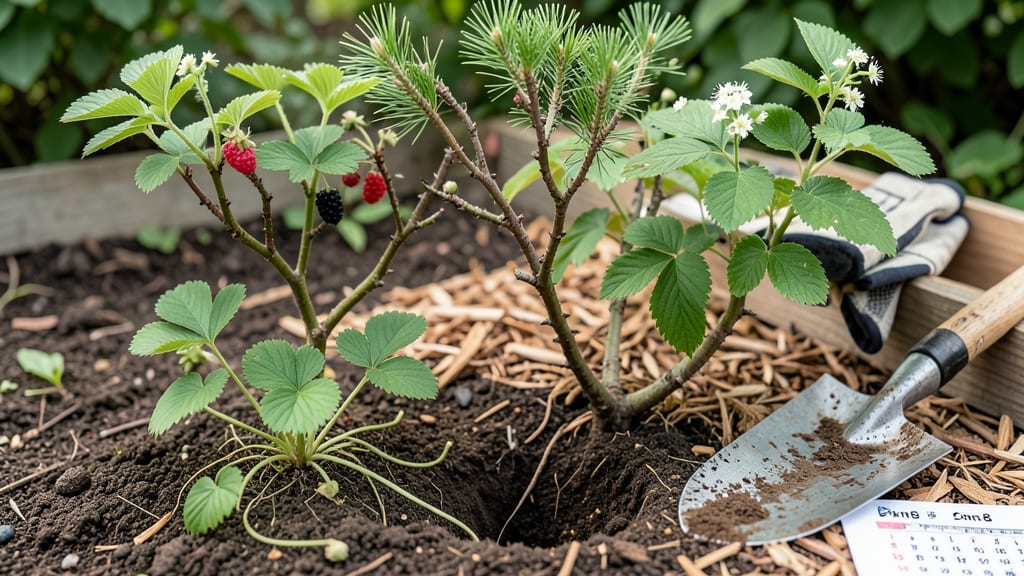
Timing your berry planting in Zone 8 could mean the difference between a bountiful harvest and a total flop—especially if you miss the sweet spot between frost risks and soil warmth. 🫐 Whether you're dreaming of juicy raspberries or sweet blueberries, getting the months right is the key to avoiding bolting and ensuring strong root establishment.
Most gardeners in Zone 8 (8a-8b) swear by late winter to early spring or fall planting, but there’s more to it than just picking a season.
The exact months matter—plant too early, and frost will nip your young plants; too late, and they won’t have enough time to establish before summer heat sets in.
I’ve tested the best windows for every type of berry, from strawberries to blackberries, so you don’t have to guess. You’ll discover how to read your microclimate, adjust for early/late frosts, and even extend your harvest season with smart planting tricks.
Ready to grow berries that thrive? Let’s break down the perfect planting schedule so you can enjoy fresh, homegrown fruit all season long—without the stress.
Best planting months for berries in Zone 8 by variety
In Zone 8, planting berries at the right time means the difference between a bountiful harvest and wasted effort. Most berries thrive when planted in late winter or early fall, but the exact timing varies by type.
For example, strawberries and blueberries prefer cooler soil, while raspberries and blackberries need warmer conditions to establish roots quickly. Let’s break it down by variety to avoid common mistakes like early bolting or frost damage.
Soil temperature is your best guide—most berries need soil between 45°F and 65°F (7°C–18°C) for optimal root growth. In Zone 8, this typically aligns with February–March for spring planting or September–October for fall planting.
However, late frosts can still sneak in, so always check your local last frost date (usually around March 15 in Zone 8).
Here’s a quick reference for the best planting windows by variety, including soil temperature thresholds and key care tips to ensure success:
| Variety | Best Planting Months | Soil Temp Threshold | Key Care Tip |
|---|---|---|---|
| Strawberries | September–October (fall) or February (spring) | 45°F–55°F (7°C–13°C) | Mulch heavily to protect roots from winter temps. |
| Blueberries | October–November (fall) or February–March (spring) | 50°F–60°F (10°C–16°C) | Amend soil with peat moss for acidity (pH 4.5–5.5). |
| Raspberries | February–March (bare-root) or September (potted) | 55°F–65°F (13°C–18°C) | Plant canes 2 feet apart for airflow. |
| Blackberries | February–March (dormant) or September (established plants) | 50°F–60°F (10°C–16°C) | Trellis immediately to support 6–8 ft canes. |
| Gooseberries | October–November (fall) or February (spring) | 40°F–50°F (4°C–10°C) | Prune old wood in late winter for new growth. |
For spring planting, aim to get berries in the ground 4–6 weeks before your last frost date. This gives roots time to establish before the heat of summer. For example, if your last frost is March 15, plant by February 15.
In Zone 8, spring planting is ideal for raspberries and blackberries, which benefit from warmer soil to kickstart growth.
Fall planting, on the other hand, is perfect for strawberries and blueberries. Planting in September or October allows roots to grow slowly through fall and winter, then burst into action in spring.
Just be sure to mulch 3–4 inches deep to insulate roots from freezing temperatures. A thick layer of straw or wood chips can raise soil temps by 5–10°F, protecting young plants.
One mistake I see often is planting blueberries too late in spring. Their roots are sensitive to heat, and soil temps above 70°F (21°C) can stress them. If you miss the fall window, opt for container growing to control soil temperature with shade cloth during peak summer heat.
Containers also let you move plants to cooler spots if needed.
Pro tip: Test your soil’s pH and moisture before planting. Berries like blueberries and cranberries need acidic soil (pH 4.5–5.5), while raspberries and blackberries prefer slightly acidic to neutral (pH 5.5–6.5).
Amend your soil with sulfur or composted pine needles if needed, and always plant in well-draining soil to prevent root rot.
Finally, consider your microclimate. Urban areas in Zone 8 can be 5–10°F warmer than rural spots due to the heat island effect. If you’re in a hot microclimate, plant heat-tolerant varieties like ‘Heritage’ raspberries or ‘Duke’ blueberries, which handle 90°F+ temps better than others.
Always monitor soil temps with a soil thermometer for the most accurate planting window.
Zone 8 berry planting calendar: month-by-month breakdown
Planning your berry harvest in Zone 8 starts with understanding which varieties thrive in each month. My month-by-month calendar aligns planting with soil temperatures, frost risks, and peak growth periods—so you can enjoy berries from spring through fall without gaps.
For continuous harvests, I recommend staggering plantings. For example, start with strawberries in February (everbearing varieties) and follow with blueberries in March, then raspberries and blackberries in April. This way, you’ll have fruit ready from May through September.
Here’s the breakdown of when to plant each type for maximum success in Zone 8:
Each month offers unique advantages: February and March give berries a head start before summer heat, while April and May allow for faster growth with longer daylight. For fall harvests, plant June-bearing strawberries in August—they’ll fruit the following year.
Don’t forget to mulch after planting to lock in moisture and regulate soil temperatures. I use straw or wood chips for berries, keeping it 2-3 inches thick. This simple step can double your success rate in Zone 8’s variable climate.
For urban gardeners, container planting extends options. Use large pots (15+ gallons) for blueberries (they need acidic soil) and place them in south-facing spots to maximize sunlight. Just ensure pots have drainage holes to prevent root rot.
With this schedule, you’ll avoid the common mistakes of planting too early (frost damage) or too late (poor root growth). Start small—try 2-3 varieties—and expand as you master the timing. Your berry patch will thank you with years of delicious harvests! 🌱