
Plants
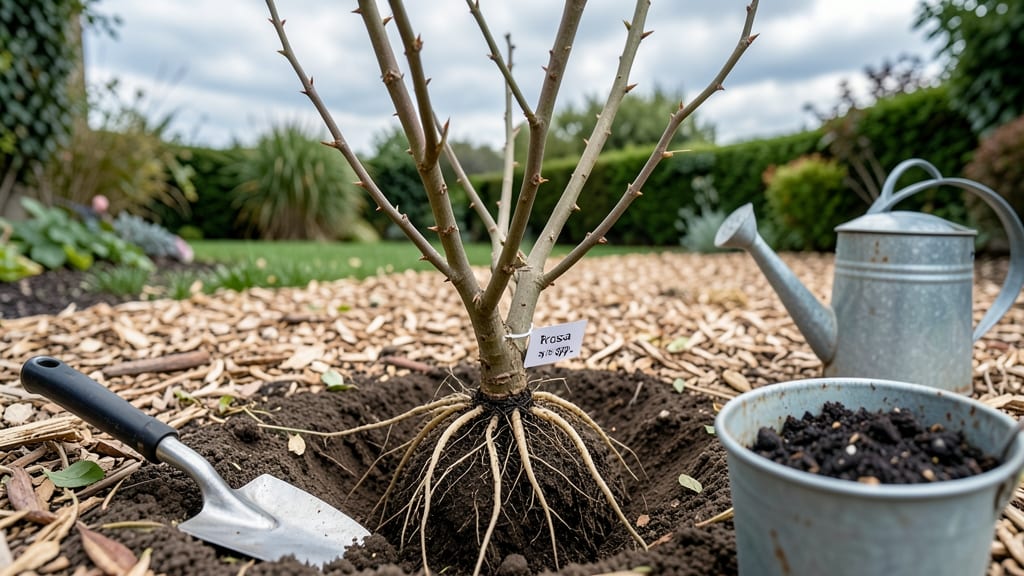
Timing is everything when you're planting bare root roses in Zone 9—get it right, and your 🌹 thrives; get it wrong, and you risk weak growth or even failure before summer’s scorching heat arrives.
Unlike cooler climates, Zone 9’s mild winters and intense summers demand a narrow window for planting. The key is to establish roots before temperatures climb, but not so late that winter rains become unreliable.
I’ll show you exactly when to plant for maximum success, whether you’re in coastal San Diego or inland Phoenix.
Most gardeners assume spring is the only option, but late fall can actually be better—especially in Zone 9b. We’ll break down the science behind dormancy, soil temperatures, and how to adjust for your specific microclimate. No more guesswork, just data-driven planting.
Ready to give your roses the best possible start? Let’s dive into the exact months, soil prep secrets, and watering tricks that’ll keep your 🌹 flourishing year-round—without the summer stress.
Optimal planting windows for bare root roses in Zone 9
In Zone 9, where winters stay mild and summers blaze hot, timing is everything for bare root roses. Planting too early risks heat stress, while waiting too late may leave roots vulnerable to summer drought.
The ideal window spans from late fall to early spring, but exact timing depends on your local microclimate—whether you're near the coast or inland. Let's break down the best months and why they matter.
For coastal Zone 9 (like San Diego or Los Angeles), your safest bet is planting between November and February. The ocean moderates temperatures, keeping soils cooler longer.
In contrast, inland areas (such as Phoenix or Tucson) benefit from planting in December through January, avoiding the extreme summer heat that can scorch newly planted roots. Even a few weeks' difference can mean the difference between thriving roses and struggling transplants.
Soil temperature is your best guide. Aim for soil temps below 70°F—this gives roots time to establish before summer's heat kicks in. Use a soil thermometer to check; if temps creep above 75°F, delay planting until conditions cool.
Remember, bare root roses need 6-8 weeks of cool weather to settle in before summer arrives.
If you miss the primary planting window, don't panic. Bare root roses can sometimes be planted in early fall (September-October), but this requires extra care.
You'll need to mulch heavily and water deeply to protect roots from summer heat. Just be prepared for slower establishment and potential stress during the first summer.
For container-grown roses, timing is slightly more flexible. You can plant them throughout the year in Zone 9, but still aim for cooler months to reduce transplant shock.
The key difference? Container roses have established root systems, so they handle heat slightly better—but they still need time to adapt to your climate.
Pro tip: If you're planting in February or March, choose heat-tolerant varieties like 'Knock Out' roses or 'Earth Song'. These breeds handle Zone 9's heat better than traditional hybrids. Always check the USDA Zone rating on your rose tags—some varieties are bred specifically for warm climates.
One common mistake in Zone 9 is planting too late in spring. By April or May, summer heat is already intensifying, and newly planted roses may wilt or die from heat stress.
If you must plant later, provide afternoon shade for the first few weeks and water at the base (not overhead) to keep roots cool.
Finally, pay attention to moon phases if you're a believer—planting during a waxing moon is said to encourage root growth. While science doesn’t back this up, it’s a fun tradition!
The real magic happens when you combine the right timing, soil prep, and aftercare—all tailored to your Zone 9 microclimate.
With the right timing, your bare root roses will establish strong roots before summer arrives, setting you up for blooms all season long. 🌹
How to prepare bare root roses for Zone 9’s unique challenges
Zone 9’s mild winters and intense summers demand extra care when preparing bare root roses for planting. Unlike cooler climates, your roses won’t experience a true dormancy period, so proper root and soil prep is critical to prevent transplant shock and heat stress.
Start by soaking the roots for 1-2 hours in water to rehydrate them before handling.
Next, focus on soil amendments to improve moisture retention and heat tolerance. Mix in compost or well-rotted manure to enrich the soil, and consider adding hydrated mulch or organic matter like coconut coir to help retain moisture during dry spells.
This step is non-negotiable in Zone 9, where summer droughts can quickly stress young plants.
Before planting, trim any damaged or mushy roots with clean, sharp pruners. Healthy roots should be firm and white, not brown or shriveled. Pruning encourages new root growth and reduces stress. Avoid over-pruning—keep about ⅓ of the root system intact to ensure stability.
🌹
⚠️ Critical Warning: Avoid Planting in Summer Heat
Planting bare root roses in Zone 9’s summer months (June-August) can be fatal. The combination of high temperatures and low humidity causes roots to dry out rapidly, leading to transplant shock and poor establishment. Even if you water deeply, the roots may not recover in time for the next growing season.
Solution: If you must plant outside the ideal window, use shade cloth for the first 4-6 weeks and monitor soil moisture daily.
Once your soil is prepped and roots are ready, schedule planting for early morning or late afternoon to minimize stress from direct sunlight. Water the planting hole thoroughly before placing the rose, ensuring the graft union is 2-3 inches below soil level.
Backfill with soil and water again to eliminate air pockets, which can suffocate roots.
After planting, mulch around the base with 2-3 inches of organic mulch (like straw or wood chips) to conserve moisture and regulate soil temperature. Keep the mulch away from the stem to prevent rot.
In the first 2-3 weeks, water deeply every 2-3 days to encourage root establishment, then taper off to weekly watering once new growth appears.
For the first 3 months, avoid fertilizing—your focus should be on root growth, not foliage. Once established, apply a balanced, slow-release fertilizer (like 5-10-10) in early spring to support blooming. With these precautions, your bare root roses will thrive in Zone 9’s challenging climate.