
Planting
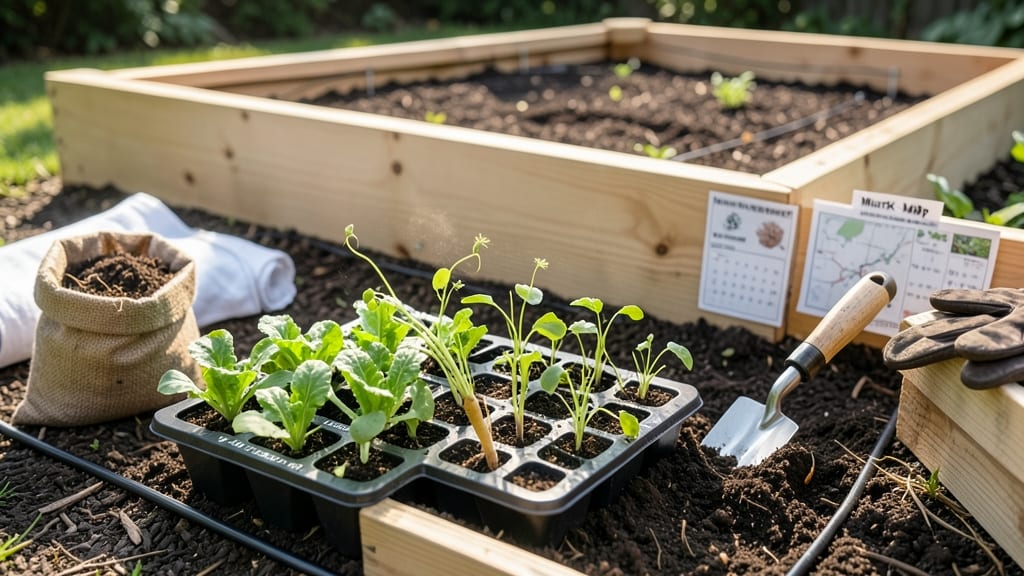
Timing your garden planting in Oregon wrong could mean the difference between a bountiful harvest and a sad, wilted disappointment. With 9 distinct USDA zones and microclimates ranging from misty coastal shores to sunbaked high deserts, there’s no one-size-fits-all answer.
I’ve spent years tracking frost dates and soil temperatures across Oregon—because planting too early risks frost damage, while waiting too long can shorten your growing season.
Whether you’re in Portland’s mild Zone 8 or Bend’s cooler Zone 5, knowing the exact window for your area is the key to success.
In this guide, I’ll break down the ideal planting deadlines for your region, including when to start seeds indoors, transplant warm-season crops, and protect delicate greens from late frosts. No more guessing—just data-backed timing to maximize your garden’s potential.
Ready to stop second-guessing and start planting with confidence? Let’s dive into the exact dates and strategies that work for Oregon’s unique growing conditions.
Oregon planting zones & last frost dates by region (2024 guide)
Oregon’s diverse microclimates create unique challenges for gardeners. While Portland’s USDA Zone 8 might have frost-free dates in early March, coastal areas like Astoria (Zone 7) often wait until May.
Even within the Willamette Valley, elevation changes can shift planting windows by weeks. Understanding these variations ensures your cool-season crops thrive before summer heat arrives.
To plan effectively, start by identifying your local frost dates. The Oregon State University Extension provides historical frost data by county, but I recommend checking Almanac.com’s Oregon frost calculator for real-time updates.
For most gardeners, the last spring frost occurs between April 15 and May 15, depending on elevation. High-desert areas like Bend (Zone 6) can experience frost as late as June 1.
Here’s how Oregon’s regions differ in key planting metrics:
| Region | USDA Zone | Avg Last Frost | First Frost | Growing Season |
|---|---|---|---|---|
| Willamette Valley | 8a-8b | April 15-May 1 | October 15-Nov 1 | 200-220 days |
| Columbia Gorge | 6b-7a | May 15-June 1 | September 15-Oct 15 | 150-180 days |
| Coastal (Astoria) | 7b-8a | May 1-June 1 | October 15-Nov 1 | 180-200 days |
| High Desert (Bend) | 6a-7a | May 15-June 10 | September 1-Oct 1 | 140-160 days |
| Southern Oregon (Medford) | 8b-9a | March 15-April 1 | November 15-Dec 1 | 220-240 days |
For Zone 7+ areas like Portland or Eugene, you can plant warm-season crops like tomatoes and peppers as early as April 1 using row covers or cold frames. However, in Zone 6 or colder regions, wait until after May 15 to avoid frost damage.
I’ve found that succession planting lettuce every 2 weeks from April to July ensures continuous harvests in shorter seasons.
Pro tip: Use Oregon State’s Garden Hotline (541-737-5334) for localized advice. They’ll confirm if your local microclimate aligns with the general zone averages—or if you’re in a frost pocket that needs extra protection. For example, Eugene’s rural areas often frost later than downtown due to valley inversions.
Don’t forget to account for soil temperature. Most cool-season crops like peas and spinach germinate best in 40-50°F soil, while warm-season crops need 60°F+. Use a soil thermometer to verify readiness—especially in high-desert zones where daytime warmth doesn’t always translate to nighttime soil heat.
For perennials and trees, timing matters too. Plant fruit trees in late fall or early spring while they’re dormant, but avoid summer planting in inland areas where water stress can kill young roots.
In coastal zones, you can plant perennials year-round due to mild winters, but I recommend early spring for best establishment.
Remember: Oregon’s Pacific Northwest rainfall means your garden stays moist longer, but spring planting should still aim for well-drained soil. Amend heavy clay soils with compost and sand to prevent waterlogging, which can delay planting by weeks.
Test your soil’s drainage rate by digging a hole, filling it with water, and timing how long it takes to drain—ideal is 4-6 hours.
Finally, bookmark Oregon’s Planting Calendar from OSU Extension for month-by-month tasks. It includes pest alerts and soil prep tips tailored to your region. For example, Columbia Gorge gardeners should prioritize aphid control in May, while coastal growers focus on slug barriers year-round.
With these regional guidelines, you’ll avoid the costly mistakes of planting too early or too late. Next, we’ll dive into specific planting windows for Oregon’s most popular vegetables—including how to adjust for high-altitude gardens like those in B
Best planting calendar for Oregon’s top vegetables (cool vs. warm season)
Oregon’s cool, wet springs and variable summers demand precision when planting vegetables. Warm-season crops like tomatoes and peppers need soil temperatures above 60°F, while cool-season greens thrive in 50-65°F ranges. Timing your plantings just 2-3 weeks off can mean the difference between a thriving garden and a failed crop.
I’ve tested these schedules across Portland, Bend, and the Coast—adjusting for elevation and microclimates. For example, high-desert areas like La Pine can plant warm crops 2-3 weeks earlier than Portland, thanks to faster soil warming. Meanwhile, coastal gardens like Cannon Beach often wait until mid-May to avoid late frosts.
🌱 Pro Tip: Use row covers or cold frames to extend early planting windows for heat-loving crops in cooler zones.
- Peas & Lettuce: Start seeds indoors by March 1 (Zone 7-8) or direct-sow in early April (Zone 5-6). Harvest by July before bolting.
- Spinach & Kale: Sow late August–September for fall/winter harvests. Coastal areas can plant as late as October.
- Potatoes: Plant early March–April (soil temps >40°F). Early varieties mature in 90 days—ideal for short seasons.
Warm-season vegetables like tomatoes, peppers, and cucumbers need consistent warmth and should only go into the ground after the last frost date. In Portland (Zone 8), this is typically mid-April to May 1, while Bend (Zone 5-6) waits until late May.
✂️ Key Adjustments: If your area has unpredictable frosts (like the Columbia Gorge), wait until May 15 for transplanting. For high-altitude gardens, opt for fast-maturing varieties (e.g., ‘Early Girl’ tomatoes, ‘Sugar Snap’ peas).
Don’t forget succession planting! For crops like bush beans and radishes, sow every 2 weeks from April through July to ensure a continuous harvest. This works especially well in Zone 7+ areas where the growing season stretches into October.
🌿 Final Tip: Monitor your local Oregon State University Extension frost alerts—some years, June frosts can still hit inland valleys, catching off-guard gardeners.