
Planting
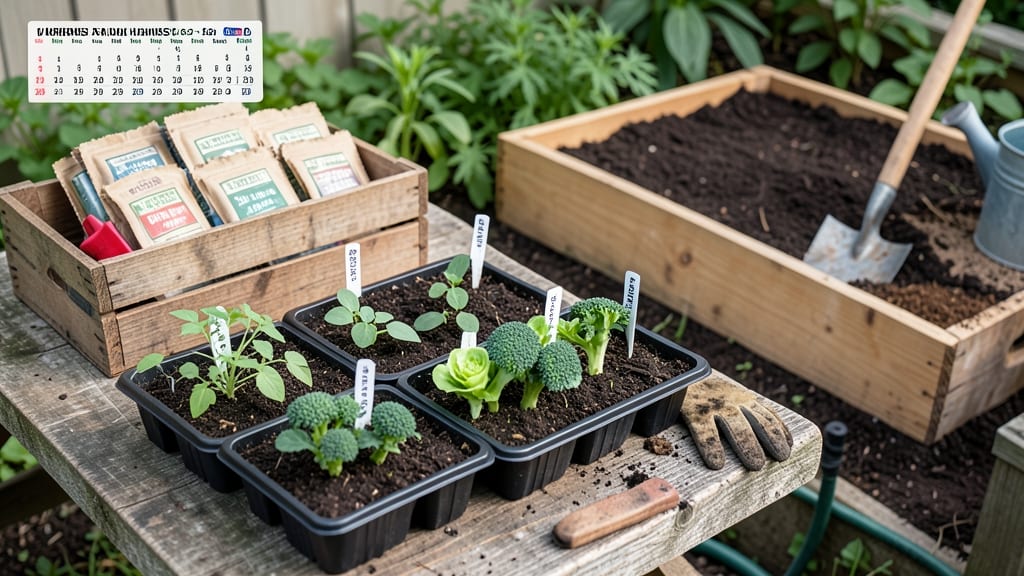
Timing your garden planting in Virginia isn't just about following a calendar—it's about outsmarting frost patterns that can turn your 🌱 General Garden Plants into a risky gamble.
With last frost dates swinging wildly between March 15 in the Tidewater and April 15 in the mountains, getting it wrong means wasted seeds and missed harvests.
That's why I've dug into Virginia's 6a-8a zones to give you the exact planting windows you need. Whether you're in the Piedmont's rolling hills or the Coastal Plain's milder climate, these science-backed deadlines will help you start seeds indoors or sow directly—without the guesswork.
You'll discover how to stretch your growing season by 4-6 weeks before last frost for cool-season crops, and when to wait 2-3 weeks after frost-free dates for heat-lovers like tomatoes.
Plus, I'll show you how microclimates (like urban heat islands) can shift your ideal planting dates by 10 days or more.
Ready to turn your garden from a maybe into a guaranteed success? Let's get you planting with confidence—no more frost surprises, just bumper crops ahead.
Virginia’s frost-free planting zones: exact dates by region (2024)
Virginia’s diverse geography means your last frost date could vary by 3-4 weeks depending on where you live. Whether you’re in the coastal Tidewater or the mountainous Blue Ridge, knowing your region’s exact frost-free window is the difference between a thriving garden and a sad, frost-bitten disappointment.
Let’s break down the 5 key gardening regions and their frost-free deadlines.
For most Virginia gardeners, the average last frost date falls between March 15 and April 15, but urban areas like Richmond or Norfolk often see frost-free conditions 1-2 weeks earlier than rural spots.
The Shenandoah Valley and Blue Ridge Mountains can hold frost until April 30 or even early May. Plan accordingly!
🌱 Did You Know? Urban heat islands can create microclimates where frost arrives 10 days later than surrounding rural areas. Check your specific neighborhood’s frost history!
| Region | USDA Zone | Avg. Last Frost | Avg. First Frost | Frost-Free Days | Planting Window |
|---|---|---|---|---|---|
| Tidewater (e.g., Norfolk, Virginia Beach) | 8a | March 15 | November 1 | 220 days | March 15–May 15 (Spring) / Aug 1–Oct 15 (Fall) |
| Piedmont (e.g., Richmond, Charlottesville) | 7b | March 30 | November 10 | 215 days | March 30–April 30 (Spring) / Aug 15–Oct 1 (Fall) |
| Shenandoah Valley (e.g., Staunton, Harrisonburg) | 6b | April 15 | November 5 | 205 days | April 15–May 15 (Spring) / Aug 10–Sept 30 (Fall) |
| Blue Ridge Mountains (e.g., Roanoke, Blacksburg) | 6a | April 20 | October 31 | 200 days | April 20–May 10 (Spring) / Aug 5–Sept 25 (Fall) |
| Southwest Virginia (e.g., Bristol, Abingdon) | 6b-7a | April 5 | November 15 | 210 days | April 5–April 25 (Spring) / Aug 10–Oct 10 (Fall) |
If you’re in Zone 8a (Tidewater), you can start warm-season crops like tomatoes and peppers 2-3 weeks earlier than gardeners in Zone 6a (Blue Ridge). This means your first tomato harvest could be in early June vs. late June. Timing is everything!
For fall planting, aim to sow cool-season crops like kale and spinach 4-6 weeks before your first frost. In Tidewater, that’s September 15, while in the Blue Ridge, it’s August 15. Miss these windows, and you’ll risk bolted greens or frost damage.
Pro tip: Use row covers or cold frames to extend your spring planting window by 2-3 weeks in colder regions. This lets you plant cold-hardy crops like peas and lettuce earlier for a head start on the season.
Urban gardeners in Richmond or Norfolk often enjoy longer frost-free seasons due to the heat island effect. If you’re unsure of your exact microclimate, check local weather station data for the past 10 years—this gives you a more accurate picture than relying on USDA zones alone.
Remember, these dates are averages. A late frost in April can still happen, so always have frost cloth on hand for sensitive seedlings. When in doubt, wait until mid-May to plant warm-season crops in colder zones.
🌿 Now that you know your region’s frost-free window, it’s time to plan your planting schedule—starting with cool-season crops in early spring and
Best plants to start indoors vs. direct-sow outdoors in Virginia (by month)
Virginia’s 6a-8a climate lets you grow everything from cool-season greens to heat-loving tomatoes, but timing matters. Starting seeds indoors too early or sowing outdoors too late wastes time and resources. I’ve broken down the best indoor-starting vs. direct-sowing plants by month to match Virginia’s frost-free windows.
For cool-season crops like lettuce and peas, you can start seeds indoors 4-6 weeks before your last frost date.
In the Tidewater region, that’s mid-February, while mountain areas should wait until early March. Warm-season crops like peppers and eggplants need to wait until after your last frost date—typically 2-3 weeks later—to avoid transplant shock.
| Month | Indoor Start | Direct Sow | Notes |
|---|---|---|---|
| February | Broccoli, Cabbage, Onions | Peas, Spinach (Tidewater only) | Use row covers for frost protection. |
| March | Tomatoes, Peppers, Eggplants | Lettuce, Radishes, Carrots | Hardening off seedlings before transplanting. |
| April | Basil, Cucumbers, Squash | Beans, Corn, Zucchini | Wait until soil warms to 60°F+. |
| August | Kale, Spinach, Lettuce | Radishes, Turnips, Arugula | Choose fast-maturing varieties. |
If you’re growing heirloom varieties like Brandywine tomatoes or Black Krim eggplants, start them indoors in late February or March for a head start. These plants need 80-90 days to mature, so timing is critical.
For direct-sowing, fast-growing crops like radishes and bush beans can go in as soon as the soil is workable—usually 2-4 weeks before last frost.
Pro tip: Use biodegradable pots for seedlings to avoid transplant shock. And if you’re in a microclimate like a city garden, check local weather stations—urban areas can be 5-10°F warmer than rural spots, shifting your planting window by 1-2 weeks.
Always monitor soil temperatures with a soil thermometer for accuracy.
For fall planting, aim to direct-sow cool-season crops by mid-August in the Tidewater and early September in the mountains.
This gives them time to mature before the first frost. Herbs like cilantro and greens like kale actually sweeten up after a light frost, making fall one of my favorite planting windows.
Remember: Seed packets list days to maturity—use that to calculate your planting window. For example, if your last frost is April 1 and your tomato variety takes 85 days, start seeds indoors by January 8. Adjust for your region’s frost date, and you’ll never miss a beat.