
Plants
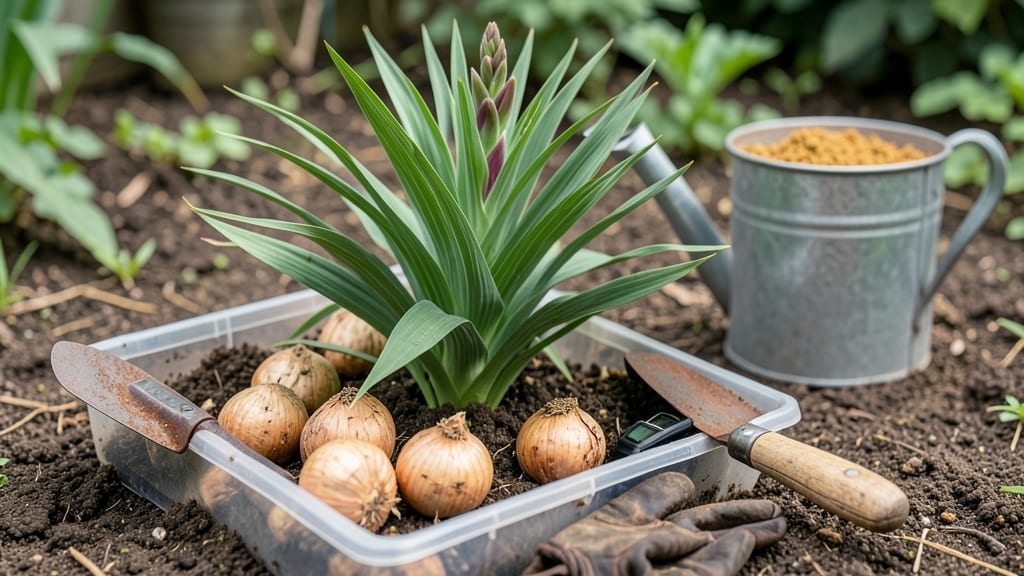
Knowing when to plant gladiolus bulbs in Connecticut can mean the difference between showstopping summer blooms and sad, stunted stems. The ideal planting window—mid-April to late May—aligns perfectly with CT’s frost-free timeline, but even a few weeks off can throw off your 🌸 gladiolus’s growth cycle.
I’ve seen firsthand how Connecticut’s unpredictable spring—where coastal areas warm faster than inland zones—can make planting tricky. If you rush too early, a late frost will fry tender shoots before they even emerge.
But plant too late, and your blooms might arrive just as summer’s heat sets in, shortening their lifespan.
Here’s what you need to know: soil temperature matters just as much as calendar dates. Gladiolus bulbs need the ground to reach at least 55°F before they’ll thrive, which typically happens around mid-April in most of CT.
We’ll break down exactly how to time it right for your specific zone—whether you’re in Hartford’s urban heat pockets or the cooler hills of Litchfield.
Plus, I’ll share my go-to tricks for adjusting planting dates if Mother Nature throws a curveball, like unexpected late frosts or unusually warm winters. Let’s get those 🌸 gladiolus bulbs in the ground at the perfect moment so you’re rewarded with bold, vibrant blooms from July through September.
Connecticut gladiolus planting timeline: frost dates by Zone
Gladiolus bulbs thrive in Connecticut’s USDA Zones 5-6, but timing is everything—plant too early and frost will damage tender shoots, too late and you’ll miss peak summer blooms. The key is waiting until soil temperatures consistently reach 55°F+ and the last frost date has passed.
In most of CT, this lands between mid-April and late May, but coastal areas and high-altitude zones may vary by 1-2 weeks.
For Hartford and inland areas (Zone 6a), aim for April 20-May 10—this gives bulbs time to root before summer heat arrives. New Haven and coastal regions (Zone 6b) can plant slightly earlier (April 10-25) thanks to milder microclimates.
Always check your local CT Agricultural Experiment Station frost reports for real-time updates, as late frosts can still occur in May.
Soil temperature is just as critical as air temperature. Use a soil thermometer to confirm readings—gladiolus bulbs won’t sprout reliably below 55°F. If your soil is still chilly, consider a cold frame or row covers to accelerate warming. Pro tip: Plant in raised beds—they warm up faster than in-ground soil, giving you a 1-week head start.
If you’re eager to start sooner, late March planting is possible in Zone 6b/7 using black plastic mulch to warm the soil. Lay the mulch 2-3 weeks before planting to raise soil temps by 5-10°F.
For Zone 5, wait until May 10—rushing risks frost damage to emerging shoots, which can’t recover.
Gladiolus bulbs need 6-8 weeks of warm soil to establish roots before flowering. Planting too late (after June 1) may still yield blooms, but stems will be shorter and less robust.
Prioritize April-May for show-stopping summer displays. Pro move: Mark your calendar for June 15—this is your absolute deadline for planting in CT.
Don’t overlook bulb size when planning. Larger corms (2+ inches wide) sprout faster and tolerate cooler soil better than small ones. Sort your bulbs before planting—oversized corms get the prime spots in full sun, while smaller ones can go in partial shade if needed.
This simple trick ensures even blooming across your garden.
After planting, mulch heavily with straw or shredded leaves to maintain soil warmth and moisture. A 3-inch mulch layer can delay soil cooling by up to 2 weeks in fall, extending your gladiolus season. Just avoid piling mulch against bulb necks—keep it 2 inches away to prevent rot.
For a second flush of blooms, try a late-June planting in CT’s warmer zones. Use heat-tolerant varieties like ‘Black Star’ or ‘Green Star’ and plant 2 inches deeper than usual to protect bulbs from summer heat stress.
This method works best in Zone 6b/7 with drip irrigation to prevent drought.
Track your gladiolus progress with a garden journal—note when you plant, when shoots emerge, and when blooms open. Over time, you’ll refine your CT-specific timeline. For example, my Hartford garden blooms
How to adjust gladiolus planting for Connecticut’s microclimates
Connecticut’s diverse geography means your gladiolus bulbs might face wildly different conditions depending on where you live. Inland areas like Hartford or Litchfield Hills often experience earlier springs, while coastal regions near New Haven or Stamford stay cooler longer due to ocean breezes.
Even urban heat islands in Bridgeton or New Britain can push soil temperatures up faster than rural zones.
For high-altitude spots (e.g., Torrington or Washington Depot), aim to plant 2-3 weeks later than average—cold air lingers longer in valleys. Conversely, city gardens with paved surfaces can warm up 1-2 weeks earlier than surrounding areas.
Always check your local frost-free date (typically mid-April for inland CT) but adjust based on your microclimate’s quirks.
Here’s how to fine-tune your planting strategy for CT’s variations:
- Wait until May 1—ocean winds delay soil warming past 55°F.
- Use black plastic mulch to absorb heat if planting early.
- Choose dwarf varieties (e.g., 'Picasso') to reduce wind damage.
- Plant late March to early April—soil warms faster near concrete.
- Water deeply 2x/week to counteract dry city air.
- Avoid south-facing walls—they bake bulbs prematurely.
- Delay until May 15—frost risk extends into June.
- Use cold frames to jumpstart growth in April.
- Select late-blooming varieties (e.g., 'Greenland') for longer seasons.
If you’re unsure about your microclimate, test soil temperature with a thermometer—gladiolus bulbs need consistent 55°F+ soil for 2 weeks before planting. A simple trick: Bury a thermometer in a shady spot near your garden bed for 3 days to get an accurate reading.
For late frosts (which happen even in May), have a backup plan: Keep bulbs in a cool, dark basement until June 1, then plant with extra mulch (straw or leaves) to insulate roots. This buys you 2-3 weeks of flexibility without risking frost damage.
Pro tip: Mark your calendar for your area’s last frost date, then subtract 4-6 weeks—this gives you the ideal planting window tailored to your CT microclimate. Adjust for your garden’s specific conditions, and your gladiolus will reward you with bold, healthy blooms** all summer long. 🌸