
Plants
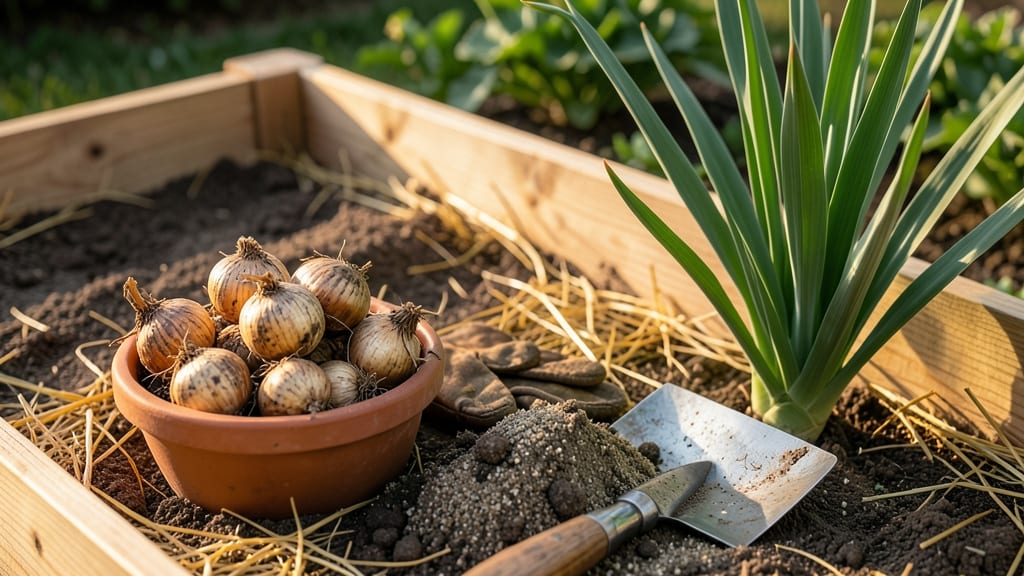
Timing your gladiolus bulb planting in Georgia isn’t just about following a calendar—it’s about outsmarting the heat and humidity to get those showstopping 🌸 blooms you’ve been dreaming of.
Plant too early, and your bulbs might rot in soggy soil; too late, and you’ll miss the July-September bloom window when your garden deserves its spotlight. The key? Understanding your USDA 7b-8b zone and when the soil warms enough to support these heat-loving plants.
Most Georgia gardeners swear by March-April planting, but there’s more to it than just picking a month. North Georgia’s cooler springs mean you might need to wait until early April, while southern regions can start as early as late February.
The secret lies in waiting until the soil reaches at least 60°F—that’s when your gladiolus bulbs will wake up from dormancy and start growing roots like they mean it.
What sets Georgia apart is our long, brutal summers, which demand the right variety choices and planting strategies. I’ll walk you through the exact window for your region, plus how to prep your soil and select heat-resistant varieties that won’t wilt under the sun.
Think of this as your cheat code for bold, reliable blooms that make your neighbors green with envy.
Ready to transform your garden into a gladiolus paradise? Let’s dive into the precise timing, soil secrets, and variety picks that’ll have your plants thriving from March through September—no guesswork required.
Optimal planting windows for gladiolus in Georgia’s climate zones
Georgia’s diverse climate—from the cooler North Georgia mountains to the hot, humid South—creates distinct planting zones for gladiolus bulbs. In USDA Zones 7b-8a (common across Georgia), timing is everything to avoid premature bolting or stunted growth from heat stress.
Most gardeners in Georgia aim to plant gladiolus bulbs 4-6 weeks before the last frost date, which typically falls between mid-March and early April.
However, this window shifts slightly depending on your region—North Georgia may need to wait until late March, while South Georgia can start as early as mid-February in sheltered microclimates.
Planting too early risks cold-sensitive bulbs rotting in soggy soil, while waiting too long may result in bolting before blooming due to Georgia’s intense summer heat. The key is balancing soil warmth (at least 60°F) with frost-free conditions.
Here’s how Georgia’s microclimates break down for optimal planting:
| Region | Last Frost Date | Ideal Planting Window | Soil Temp Requirement | Heat Risk |
|---|---|---|---|---|
| North Georgia (Zone 7b) | March 15–April 1 | Late March–Early April | 60°F+ (soil warmth critical) | Moderate (shorter summer) |
| Central Georgia (Zone 8a) | March 1–March 15 | Mid-February–Early March | 60°F+ (warmer earlier) | High (long, hot summers) |
| South Georgia (Zone 8b) | February 15–March 1 | Mid-January–Mid-February | 55°F+ (earlier soil warming) | Very High (extreme heat) |
For North Georgia gardeners, prioritize heat-tolerant varieties like ‘Picasso’ or ‘Green Star’ to combat shorter growing seasons. In South Georgia, focus on early blooming cultivars (e.g., ‘Star of Natal’) to escape peak summer temperatures, which can cause bud drop.
Fall planting is not recommended in Georgia due to the risk of first frost in November, which can damage emerging shoots. Instead, opt for spring planting and extend blooms by staggering planting dates every 2 weeks for continuous color from July through September.
Use Georgia Cooperative Extension’s frost maps (available online) to pinpoint your local last frost date. Most North Georgia areas can safely plant by April 1, while South Georgia gardeners may start as early as February 15 in protected beds.
Pro tip: Test your soil’s drainage before planting—gladiolus bulbs rot in waterlogged soil. Amend heavy clay with compost or sand to improve airflow and prevent fungal diseases like botrytis, which thrives in Georgia’s humidity.
🌱
Optimal planting windows for gladiolus in Georgia’s climate zones
Georgia’s USDA zones 7b-8b create distinct microclimates that affect when to plant gladiolus bulbs. In North Georgia, cooler springs mean you’ll plant 4-6 weeks before the last frost, typically by mid-March.
Meanwhile, South Georgia’s warmer climate allows for a later window, often stretching into early April. Timing is critical—plant too soon, and frost damage risks your bulbs; too late, and you’ll miss peak summer blooms.
Gladiolus thrive in Georgia’s heat, but they need warm soil to sprout.
Aim for 60°F soil temperatures, which usually aligns with late March to early April across most of the state. Variety selection matters: heat-tolerant types like ‘Picasso’ or ‘Star of Natal’ handle Georgia’s summers better than delicate hybrids.
Always check the USDA Plant Hardiness Zone Map for your exact location to fine-tune timing.
| Factor | North Georgia (Zones 7b) | South Georgia (Zones 8a-8b) |
|---|---|---|
| Last Frost Date | March 15 | March 1 |
| Ideal Planting Window | Mid-March to early April | Early to mid-April |
| Soil Warmth Goal | 60°F (late March) | 60°F (early April) |
| Heat-Tolerant Varieties | ‘Picasso,’ ‘Green Star’ | ‘Black Star,’ ‘Safari Sunset’ |
| Bloom Peak | July-August | June-July |
Spring planting is the gold standard for gladiolus in Georgia, but some gardeners attempt fall planting for early blooms. However, this risks rot from winter rains or frost damage before bulbs establish roots.
If you’re tempted, plant 6-8 weeks before your first frost (typically early October in North Georgia, mid-October in South Georgia) and use well-draining soil with a thick mulch layer.
For container gardening, adjust timing slightly—pots warm up faster, so you can plant 2-3 weeks earlier than in-ground. Use fast-draining mixes with perlite or sand to prevent bulb rot.
Place containers in full sun and move them indoors before first frost to protect corms. This method extends your growing season and works well for urban gardeners with limited space.
Pro tip: Soak bulbs overnight before planting to jumpstart growth, especially in dry Georgia springs. After planting, water deeply to settle soil around corms. Mulch with straw to retain moisture and regulate soil temperature.
Avoid overwatering—gladiolus hate soggy roots. With the right timing, your bulbs will reward you with bold, summer-long blooms that stand out in any Georgia garden.
🌸