
Plants
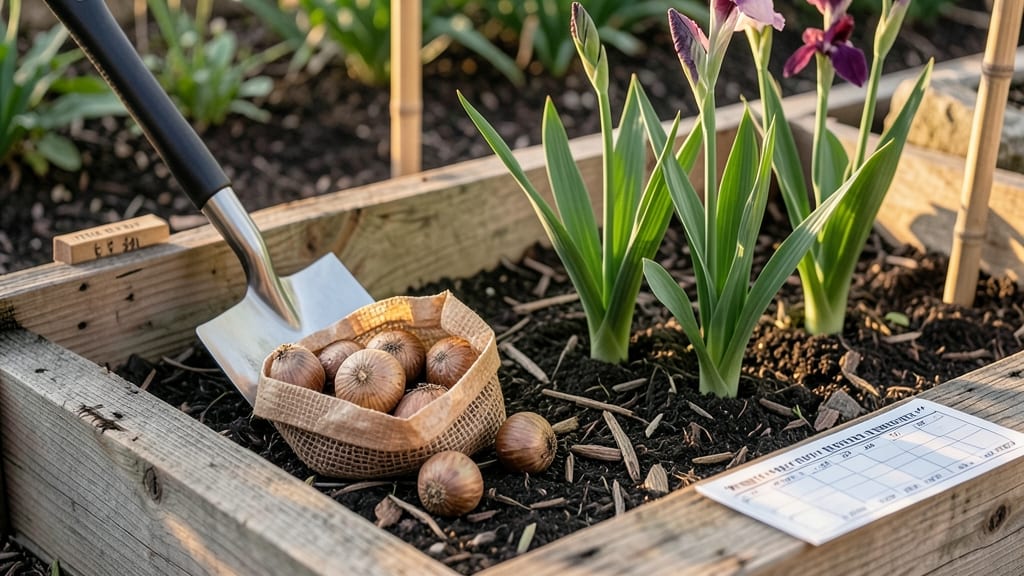
Timing your Gladiolus 🌸 planting in Maine isn’t just about the calendar—it’s about catching that sweet spot when the soil warms up just right. Plant too early, and your corms might rot in cold, damp earth; too late, and you’ll miss out on those showstopping summer blooms.
Maine’s 5b-6b climate means you’ve got a narrow window between late May and early July to get this right. But here’s the secret: waiting for soil temperatures to hit at least 60°F is the real game-changer for strong, sturdy stems that can handle our unpredictable summers.
Whether you’re in coastal Portland or inland Bangor, the rules shift slightly—cooler coastal areas may need to wait until early June, while inland spots can start as early as mid-May.
I’ll walk you through exactly how to test your soil, pick the perfect varieties for Maine’s climate, and avoid common pitfalls that turn your glads into flops.
Get this timing right, and you’ll be rewarded with tall, vibrant blooms that thrive from late July through September. Let’s make sure your gladiolus season is nothing short of spectacular.
Maine’s soil warmth requirements for gladiolus planting
Gladiolus corms thrive when planted in warm soil, but Maine’s cool springs often delay the perfect window. The critical threshold is 60°F soil temperature, which typically occurs between late May and early June in most of the state.
Planting too early in cold soil risks rot and weak stems, while waiting ensures robust growth and vibrant blooms.
To test soil warmth, use a soil thermometer—insert it 4-6 inches deep (the planting depth for gladiolus) and check daily. Coastal areas like Portland or Bar Harbor may hit this threshold 1-2 weeks earlier than inland regions like Bangor or Presque Isle due to moderating ocean effects.
Avoid the temptation to plant early, even if frost dates have passed. Cold soil slows root growth, making corms vulnerable to fungal diseases like botrytis. In my Zone 5b garden, I’ve learned the hard way—planting in May before soil warmed resulted in mushy corms and stunted blooms.
For a head start, consider container growing in a greenhouse or sunroom until soil warms. This method lets you plant corms 4-6 weeks earlier while still avoiding cold soil risks. Just transition outdoors only after consistent 60°F+ soil temps for at least 3 consecutive days.
Microclimates matter: Southern Maine’s coastal regions often reach 60°F soil by May 15, while northern areas may not hit it until June 10. Use local weather stations or garden center advice to fine-tune your timing based on your specific zone.
If you’re unsure about soil temperature, wait until dandelions bloom—a natural indicator that soil has warmed enough for warm-season plants. This trick has saved me from failed plantings in past years when I rushed the process.
| Requirement | Specification |
|---|---|
| Soil Temperature | 60°F (15.5°C) or warmer |
| Testing Depth | 4-6 inches (planting depth) |
| Coastal Timing | May 15–June 1 |
| Inland Timing | June 1–15 |
| Natural Indicator | Dandelions in bloom |
| Risk of Early Planting | Corm rot, weak stems |
For extra insurance, add a layer of compost to your planting hole—it helps retain heat and speeds up soil warming. I mix in well-aged compost with a bit of sand to improve drainage, which is critical in Maine’s clay-heavy soils.
If you’re planting late June due to delayed warming, use shade cloth to protect young shoots from intense afternoon sun. This gives plants time to establish roots before facing Maine’s hot July summers. Just remove the cloth once foliage is 3-4 inches tall.
Remember: Patience pays off. Waiting for the right soil temperature ensures stronger stems, longer vase life, and more vibrant blooms—worth the extra week or two of waiting in Maine’s unpredictable climate. 🌸
Best planting windows in Maine: coastal vs. inland timing
Timing your gladiolus planting in Maine depends heavily on whether you're near the coast or inland. Coastal areas like Portland or Bar Harbor enjoy milder springs, while inland zones like Augusta or Bangor face later frost risks. Understanding these differences helps you avoid late frost damage while maximizing bloom time.
For coastal Maine, aim to plant between May 15 and June 1. Warmer ocean breezes create a 2-3 week earlier growing season than inland areas. Use your local garden center as a guide—they often stock gladiolus corms when soil temperatures hit 60°F consistently.
Inland gardeners should wait until June 1–15 to plant. These areas experience later last frosts (sometimes as late as mid-June) and cooler soils. Check the National Weather Service for your specific frost-free date and plant 2 weeks after that date for safety.
🌸
| Region | Ideal Planting Window | Soil Temp Trigger | Local Cue |
|---|---|---|---|
| Coastal Maine | May 15–June 1 | 60°F+ for 5+ days | Daffodils blooming |
| Inland Maine | June 1–15 | 60°F+ for 7+ days | Lilacs in full bloom |
If you miss the ideal window, don't panic! You can plant gladiolus as late as early July in coastal areas, but expect shorter stems and fewer blooms. For inland gardens, July plantings rarely succeed—the growing season is too short for strong corms to establish before frost.
Pro tip: Use a soil thermometer to confirm readiness. Bury it 4 inches deep (the depth you'll plant corms) and wait until it reads 60°F for 3 consecutive days. This simple tool prevents rot from cold soil and ensures robust growth.
For extended bloom time, stagger plantings in 2-week intervals. This creates a continuous display from late July through September—perfect for cutting gardens or late-summer color. Just remember: earlier plantings produce taller, stronger stems, while later ones focus on bud development.