
Vegetables
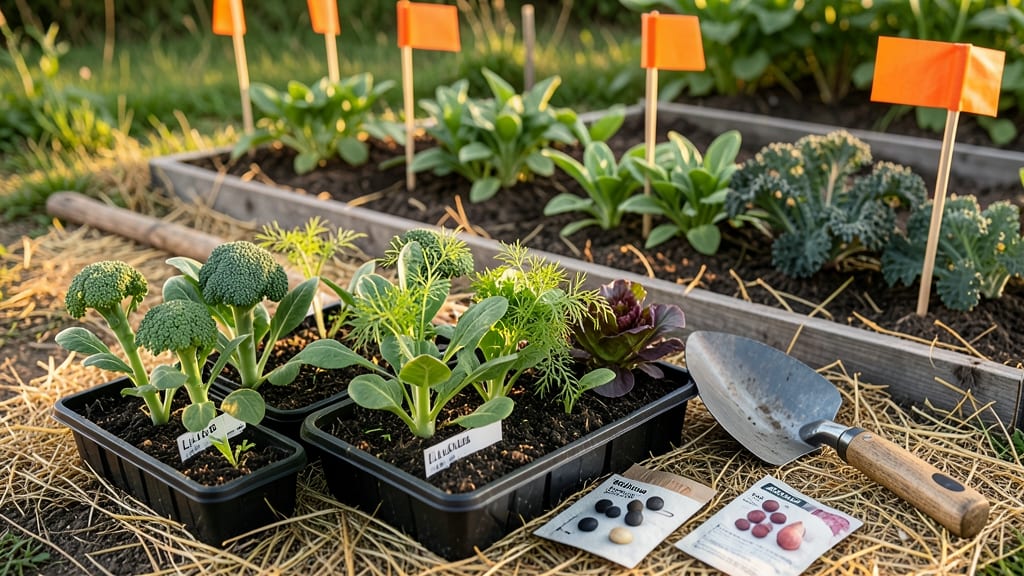
Knowing when to plant early spring vegetables in Zone 6 can make or break your garden’s success—especially when frost still lingers in the air. One wrong move, and you might be staring at a patch of dirt instead of a bountiful harvest.
I’ve learned the hard way that planting too early can leave your seedlings vulnerable, while waiting too long might miss the ideal window for cold-hardy crops like peas and spinach.
The key is understanding exact weeks before last frost and how soil temperature plays a role—because even in Zone 6, microclimates can shift your schedule by weeks.
In this guide, I’ll break down the precise planting schedule for your favorite spring veggies, factoring in frost dates, soil readiness, and succession planting to keep your garden productive all season. No more guesswork—just a foolproof plan to maximize your harvest with zero waste.
Ready to transform your garden from a gamble into a guaranteed success? Let’s get started with the critical timeline you need to know before seeds hit the soil.
Exact weeks before last frost to plant cold-hardy spring vegetables in Zone 6
In Zone 6, your last frost date typically falls between April 15-30, depending on your exact location. To maximize your early spring harvest, start planting cold-hardy vegetables 4-6 weeks before that date.
This gives seedlings enough time to establish roots while still surviving light frosts down to 20-25°F.
For semi-hardy crops like broccoli or carrots, wait until 2-3 weeks before your last frost. Planting too early risks stunted growth or bolted greens. Always check your local USDA Plant Hardiness Zone Map for precise frost dates—even within Zone 6, microclimates can shift planting windows by 1-2 weeks.
Here’s how to calculate your exact planting window: Subtract 4-6 weeks from your last frost date for cold-hardy crops, then adjust for soil temperature. If your soil stays below 40°F, delay planting until it warms to 45-50°F for optimal germination.
Cold-hardy vegetables like peas, spinach, and kale can handle light frosts and even snow cover, making them ideal for early spring. Semi-hardy crops like onions and carrots need slightly warmer soil but still benefit from early starts.
🌱 Zone 6 Early Spring Planting Timeline
| Vegetable | Planting Window (Before Last Frost) | Soil Temp Requirement | Notes |
|---|---|---|---|
| Peas | 4-6 weeks before | 40-50°F | Tolerates frost; sow directly |
| Spinach | 4-5 weeks before | 35-45°F | Bolt-resistant varieties for heat |
| Kale | 4-6 weeks before | 40-50°F | Sweeter after frost; cold-hardy |
| Lettuce | 3-5 weeks before | 40-50°F | Use bolt-resistant varieties |
| Onions | 2-3 weeks before | 45-55°F | Start indoors for earlier harvest |
| Broccoli | 2-3 weeks before | 50-60°F | Transplant seedlings for best results |
| Carrots | 3-4 weeks before | 50-60°F | Loose, well-drained soil required |
| Radishes | 2-4 weeks before | 40-50°F | Fast-growing; great for succession |
Pro tip: Use row covers or cold frames to extend your planting window by 1-2 weeks in early spring. These protect seedlings from late frosts while allowing sunlight to penetrate. For example, I’ve successfully grown spinach and peas under row covers as early as mid-March in my Zone 6 garden.
If you’re unsure about your last frost date, check your local Cooperative Extension Service or use the Old Farmer’s Almanac for regional averages. Even a 1-week delay can prevent seed rot or poor germination in cold, wet soil.
For succession planting, plan to sow fast-growing crops like radishes and lettuce every 2 weeks after your initial planting. This ensures a continuous harvest and minimizes seed waste. For example, I sow radishes every 10 days from April through June to keep my kitchen stocked.
Remember, soil temperature matters more than air temperature. Use a soil thermometer to confirm your soil is ready—cold soil can delay germination by days or weeks. If your soil is still too cold, wait until it warms to the minimum requirement for your chosen vegetable.
Finally, avoid planting warm-season crops like tomatoes or peppers until 2 weeks after your last frost. These need consistently warm soil (60°F+) to thrive, and planting them too early will stunt their growth or invite disease.
5 Critical factors that shift your planting timeline (beyond the calendar)
Zone 6’s average last frost date—typically April 15—is just the starting point. Your actual planting window shifts based on soil temperature, microclimates, and even seed packet instructions. For example, peas thrive at 40°F soil, while carrots need 50°F+ to germinate reliably.
Urban gardeners often face warmer microclimates near buildings, allowing earlier sowing. Meanwhile, rural areas with cold air pockets may need to wait 1–2 weeks longer. Always check your local USDA frost map for precise adjustments—even within Zone 6, dates vary by 10–14 days.
Pro tip: Test your soil’s warm-up rate by planting a test row of peas 2 weeks before your target date. If they sprout in 7–10 days, you’re ready for other cool crops. If not, wait another week.
Never ignore seed packet instructions—they’re based on trials under ideal conditions. For example, onion sets can handle 20°F but take 3 weeks longer to establish in cold soil. Adjust your timeline by 1 week per 10°F below ideal.
For zero-waste planting, align your schedule with harvest cycles. Plant fast growers (radishes, lettuce) first, then medium (spinach, carrots), and finally slow (broccoli, cabbage) to keep your garden productive until summer. Use a planting calendar to track dates and avoid overlaps.
Remember: Frost isn’t the only risk. Overcrowded seedlings or uneven soil moisture can stall growth just as much as cold. Start with small batches and expand as your confidence grows.