
Planting
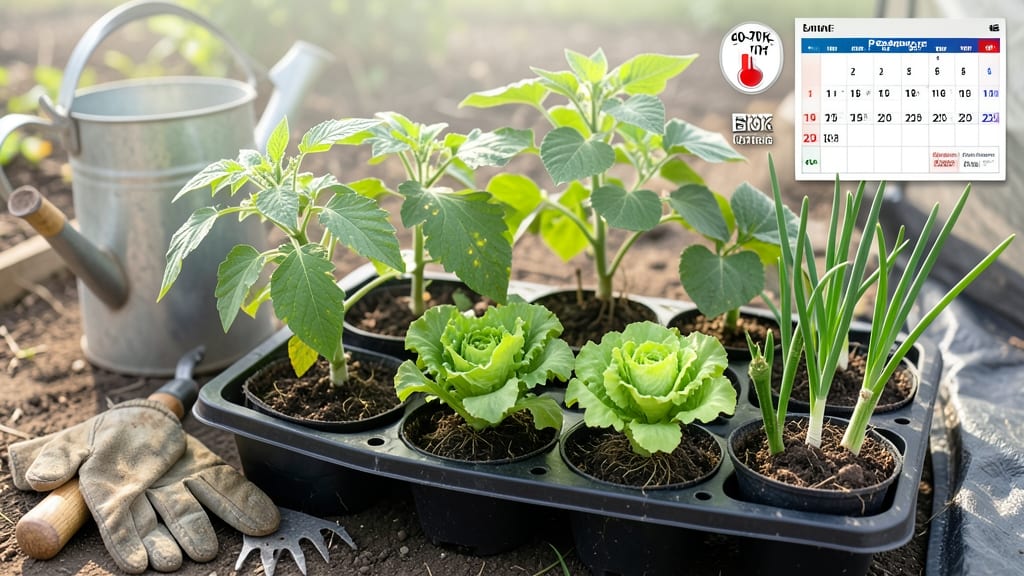
Figuring out when to plant a vegetable garden in Oklahoma can feel like guessing at a game of chance—especially when last frost dates shift from 6a to 8a zones. One wrong move, and your 🌱 tomatoes or peppers could turn into a sad, frost-nipped memory before they even ripen.
But here’s the good news: With the right timing, Oklahoma’s long growing season (thanks to those 180-220 frost-free days) lets you grow just about anything—if you play by the rules.
Whether you’re a first-time gardener or a seasoned green thumb, knowing the exact windows for cool-season crops (like lettuce in March) versus warm-season powerhouses (tomatoes in April) makes all the difference.
I’ll break down the ideal planting windows for your region, so you can avoid common mistakes like planting heat-lovers too early or cool crops too late.
Plus, I’ll share pro tips to stretch your season—because in Oklahoma, timing isn’t just about the calendar, it’s about the soil temperature and microclimates that can turn a “too early” into a “just right.”
Ready to turn your backyard into a productive vegetable garden without the guesswork? Let’s get those seeds in the ground at the perfect moment—no frost-burned dreams allowed.
Oklahoma first frost dates by plant type: cool-season vs. warm-season scheduling
Oklahoma’s USDA Hardiness Zones 6b-8a create a unique challenge: last frost dates can vary by 2-3 weeks from northern to southern regions. In Oklahoma City (Zone 7b), the average last spring frost hits March 15, while Tulsa (Zone 7b-8a) sees it March 1-10.
Southern Lawton (Zone 8a) often warms up 2 weeks earlier.
Understanding these microclimate differences is critical. Cool-season crops like lettuce, spinach, and peas thrive when planted 4-6 weeks before your last frost date. Meanwhile, warm-season favorites such as tomatoes, peppers, and squash need soil temperatures above 60°F—typically mid-April to early May in most of Oklahoma.
Here’s how to align your planting schedule with Oklahoma’s frost-free growing window of 180-220 days. The key is knowing which plant categories tolerate frost and which require warmth to germinate.
🌱 Visual Guide: Oklahoma Planting Windows by Category
For cool-season crops, start seeds indoors 6-8 weeks before your target outdoor date. Lettuce and spinach can handle light frosts, but broccoli and cabbage need consistent 50-60°F soil temps. In Oklahoma City, this means February plantings for early spring harvests.
Warm-season crops like tomatoes and peppers are trickier. They won’t germinate in cold soil, so wait until mid-April in northern Oklahoma or early April in southern regions. Use a soil thermometer to confirm 60°F+ temperatures before planting.
Pro tip: Successional planting maximizes your harvest. Sow bush beans every 2 weeks from April to June, or lettuce every 3 weeks from February to September. This ensures a continuous supply without gaps.
Remember, first frost dates aren’t set in stone. Check Oklahoma State University’s Mesonet for real-time updates, and adjust your schedule based on local weather patterns. A 5-day forecast before planting can save your tomato seedlings from a surprise freeze!
🌡️ Key Takeaway: Plant cool-season crops early (February-March) and warm-season crops late (April-May) to align with Oklahoma’s 180-220 frost-free days. Use row covers to extend both spring and fall seasons by 2-4 weeks.
How to extend your Oklahoma growing season without risking frost damage
Oklahoma’s short but intense growing season (just 180-220 frost-free days) means every extra week counts. But how do you safely push your planting windows without ending up with frost-nipped seedlings?
The answer lies in smart season-extending strategies—tools and techniques that let you plant earlier in spring or later in fall without risking your 🌱 crops.
For example, a simple row cover can add 2-4 weeks to your spring planting window, while a cold frame might shave 6 weeks off your fall harvest timeline.
These methods aren’t just for beginners; even experienced gardeners use them to grow tomatoes in March or spinach in November—something nearly impossible without protection.
Here’s the key: match the method to your crop. Leafy greens and root vegetables tolerate cooler temps better than heat-lovers like peppers or eggplants. By pairing the right strategy with the right plant, you can double your harvest potential without sacrificing quality or risking your garden to early frost.
✅ Traditional Planting vs. Extended Season
Traditional Planting
- Spring: Wait until after last frost (mid-April)
- Fall: Plant 8-10 weeks before first frost (late July)
- Risk: Limited harvest windows, potential frost damage
Extended Season
- Spring: Start 4-6 weeks earlier (early March) with row covers
- Fall: Extend 6-8 weeks later (early October) with cold frames
- Bonus: Longer harvests, higher yields, and year-round greens
Let’s break down the top 3 season-extending tools for Oklahoma gardens, ranked by effectiveness. Row covers (like frost blankets) are the easiest to use and work for 90% of cool-season crops. They trap heat during the day and protect against light frosts (28°F) at night.
For a bigger boost, cold frames (unheated glass boxes) can raise soil temps by 10-15°F, letting you plant spinach in February or kale in December.
Don’t overlook successional planting, either. Instead of sowing all your lettuce seeds at once, stagger them every 2 weeks from March through May. This ensures a continuous harvest and reduces the risk of losing your entire crop to a single late frost.
Pair this with fast-maturing varieties (like ‘Black Seeded Simpson’ lettuce, which bolts in just 45 days), and you’ll have fresh greens from spring through fall.
Finally, microclimates are your secret weapon. A south-facing wall or black plastic mulch can create a 5-10°F warmer zone in your garden—perfect for warm-season crops like peppers or eggplants.
Plant these near your house or fence, and you might shave 2-3 weeks off your usual planting date without any extra tools.