
Plants
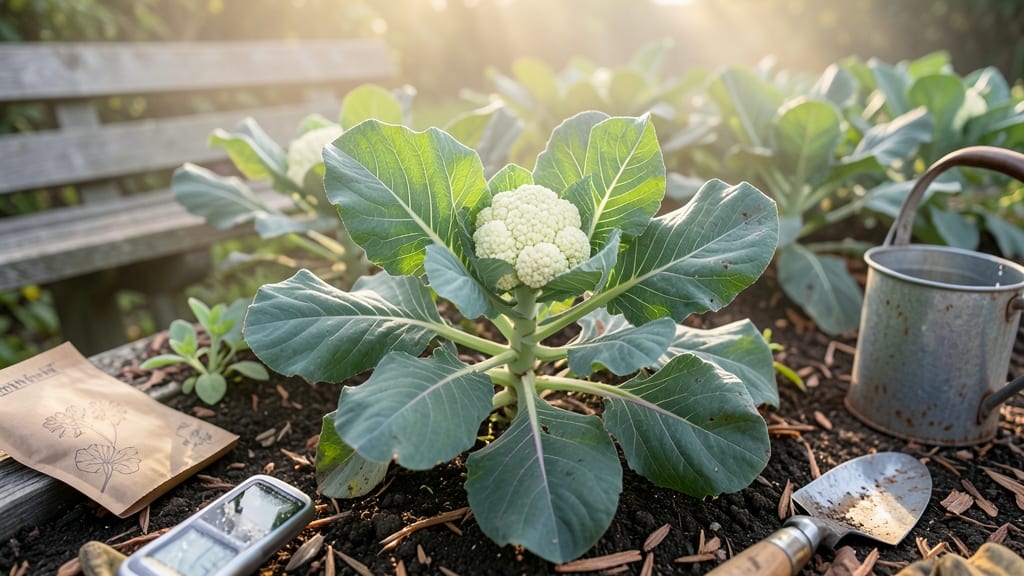
Timing your cauliflower planting in Missouri isn’t just about following a calendar—it’s about outsmarting the Show-Me State’s unpredictable swings from frost to scorching heat. One wrong move, and you’ll either watch your seedlings bolt in a cold snap or wilt under July’s relentless sun.
But get it right, and you’ll enjoy crisp, snow-white heads straight from your garden.
Here’s the secret: Missouri’s USDA zones 5b-7a demand precision. Plant too early, and a late frost will shock your 🥬; too late, and summer’s heat turns your crop into a sad, yellowing mess.
The ideal window? Mid-March to early April for spring, and late July to early August for fall—with a few extra tricks to stretch your harvest.
I’ll break down the exact weeks to plant, how to adjust for your specific corner of Missouri (whether you’re in St. Louis or Kansas City), and the best varieties to handle our wild weather. No more guesswork—just a foolproof plan for a bountiful harvest.
Ready to grow cauliflower that actually thrives? Let’s dive into the game-changer strategies that’ll keep your plants happy from seed to harvest—no matter what Missouri throws at them.
Missouri cauliflower planting calendar: exact weeks to avoid bolting and heat stress
Missouri’s USDA zones 5b-7a create a unique challenge for growing cauliflower. Unlike coastal regions, we don’t have mild winters or cool summers—just abrupt temperature swings that can turn your perfect seedlings into bitter, bolted messes.
The key is planting at the right time to align with soil temperatures (ideal: 45-55°F) and frost-free windows that give your plants enough time to mature before summer’s heat sets in.
For most of Missouri, the sweet spot is mid-March to early April for spring plantings and late July to early August for fall.
But don’t just grab a calendar—your exact timing depends on whether you’re in St. Louis (Zone 6a), Kansas City (Zone 6b), or Springfield (Zone 7a). A 10-day difference can mean the difference between a harvest and a failed crop.
Here’s the breakdown you need to avoid bolting (premature flowering) or heat stress, tailored to Missouri’s microclimates:
| Region | Last Frost Date | Spring Planting Window | Fall Planting Window | Key Varieties |
|---|---|---|---|---|
| Northern Missouri (Zone 5b) | April 15 | March 15–April 1 (indoors) / April 15–May 1 (outdoors) | July 20–August 5 (indoors) / August 15–September 1 (outdoors) | ‘Snowball Y Improved’, ‘Purple of Sicily’ |
| Central Missouri (Zone 6a) | March 25 | March 1–March 15 (indoors) / April 1–April 15 (outdoors) | July 10–July 25 (indoors) / August 1–August 10 (outdoors) | ‘Cheddar’, ‘White Rock’ |
| Southern Missouri (Zone 7a) | March 10 | February 20–March 10 (indoors) / March 15–March 30 (outdoors) | June 20–July 10 (indoors) / July 15–July 30 (outdoors) | ‘Graffiti’ (heat-tolerant), ‘Romanesco’ |
Notice how Southern Missouri can start earlier? That’s because the first frost arrives later there, giving you a longer growing season. But don’t rush—even Zone 7a can get unpredictable late frosts in March. Always check your local Almanac or use a frost calendar app like PlantMap for real-time updates.
For spring plantings, aim to transplant 4-6 weeks before your last frost. This gives seedlings enough time to establish roots before temperatures rise. If you’re starting indoors, begin seeds 6-8 weeks before transplanting under grow lights or on a sunny windowsill.
Use biodegradable pots to avoid transplant shock when moving them outdoors.
Fall plantings are trickier because Missouri’s summers are brutal for cauliflower. The goal is to get seeds in the ground 10-12 weeks before your first frost, so they mature before temperatures dip below 50°F at night.
If you’re in St. Louis or Kansas City, this usually means late July starts. For Southern Missouri, you can push it to early August.
Pro tip: Use shade cloth (30-50%) during the hottest part of summer to protect young plants. Even ‘Graffiti’, the heat-tolerant variety, will struggle if temperatures exceed 85°F for more than a week.
I’ve seen gardeners in Zone 7a use row covers to create a cooler microclimate during July’s peak heat.
One mistake I see often? Gardeners in Northern Missouri planting too late for spring. If you miss the April 15 window, your cauliflower will bolt before forming heads. Conversely, Southern Missouri gardeners sometimes plant fall crops too early and get overly large heads before frost hits.
The table above gives you the exact windows to avoid these pitfalls.
Ready to lock in your planting dates? Grab a garden journal and mark these windows for your region. Next, we’ll cover how to extend your season with shade cloth, succession planting, and cold frames—so you can enjoy cauliflower from June through November without the stress.
How to extend Missouri’s cauliflower season: shade cloth, succession planting, and cold frame hacks
Missouri’s short growing season can feel like a race against time for cauliflower lovers. But with the right tricks, you can stretch your harvest from late spring to early fall—even into winter with a little extra effort.
The key? Shade cloth, succession planting, and clever use of cold frames to protect your plants from our unpredictable weather.
I’ve tested these methods in my own garden, and they’ve helped me harvest cauliflower well beyond the typical June-July window. Whether you’re aiming for a late-summer crop or an early-spring surprise, these strategies will give you more time to enjoy your homegrown 🥬.
Here’s how to make the most of Missouri’s growing season—no matter what Mother Nature throws your way.
🌱 5 Proven Ways to Extend Your Cauliflower Harvest
- Use 30% shade cloth in late summer to block heat stress (apply when temps hit 85°F+). This buys you 2-3 extra weeks of growth before fall frost.
- Sow every 2 weeks from March to May for spring crops, and again in July-August for fall. This ensures a steady supply instead of one big harvest.
- Build a low cold frame (unheated) to protect seedlings in early spring or late fall. It adds 2-4 weeks to your growing window.
- Choose heat-tolerant varieties like ‘Cheddar’ (handles 90°F better) or ‘Snowball Y Improved’ (bolts less in heat).
- Harvest young heads (before full size) in late summer to avoid bolting. Smaller heads taste sweeter and mature faster.
For spring plantings, start seeds indoors 6-8 weeks before your last frost date (usually late January for most of Missouri). Transplant outdoors when soil reaches 40°F—this gives you a head start on cooler days. In fall, aim for transplanting 10-12 weeks before frost (early August for most regions).
Pro tip: If you’re using a cold frame, open it during the day to let in warmth but close it at night to trap heat. This mimics Missouri’s spring-like days even when nights are chilly. Just watch for condensation—ventilate if you see moisture buildup to avoid fungal issues.
With these methods, I’ve successfully grown cauliflower into November and even started spring crops as early as February under protection. The secret? Adaptability—Missouri’s weather changes weekly, so stay flexible and adjust your timing as needed.