
Plants
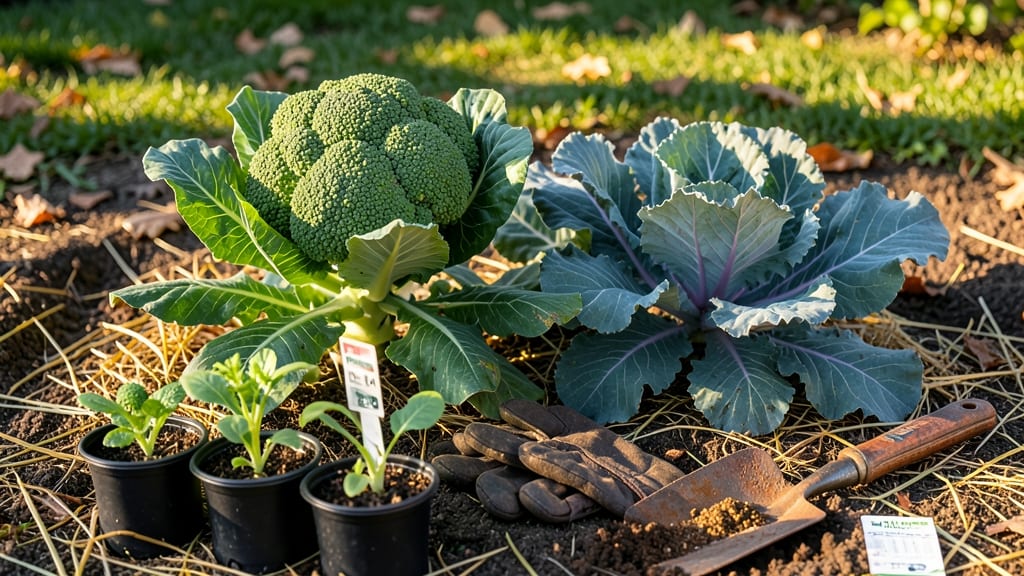
Knowing when to plant fall crops in Zone 8 can mean the difference between a thriving garden and a wasted season. With the right timing, you can enjoy fresh greens, root vegetables, and herbs long after summer fades—without the risk of frost ruining your hard work.
Zone 8’s mild winters and extended growing season make it perfect for fall crops 🌱, but getting the schedule wrong can leave you with bitter lettuce or stunted carrots.
The key? Planting between late summer and early fall, when soil temperatures drop just enough to suit cool-season favorites like broccoli, spinach, and kale.
In this guide, I’ll break down the exact planting windows based on your last frost date, soil temperature tips, and the fastest-growing varieties to maximize your harvest. No more guesswork—just a foolproof plan to keep your garden productive well into winter.
Whether you’re a seasoned gardener or just starting, these strategies will help you avoid common mistakes and make the most of your Zone 8 growing season. Let’s get those seeds in the ground at the perfect time!
Fall planting timeline by soil temperature in Zone 8
Zone 8 gardeners enjoy a 6–8 week fall planting window—longer than most regions—but nailing the timing requires soil temperature awareness. Cool-season crops like broccoli and spinach thrive when soil sits between 50°F–70°F, while heat-lovers such as beans need warmer 70°F+ conditions.
Plant too early, and your kale bolts; too late, and frost ruins your carrots. Let’s break down the critical thresholds and how to test your soil for perfect germination.
First, check your last frost date—typically mid-November in Zone 8. Count back 4–6 weeks to determine your planting window. For example, if frost arrives November 15, aim to plant by October 1 for most cool-season crops.
However, soil temperature often drops faster than air temperature, so verify it’s above 50°F at a 4-inch depth before sowing seeds or transplanting seedlings.
Pro Tip: Use a soil thermometer ($10–$15) to monitor temps daily. Early mornings (7–9 AM) are ideal for testing, as soil cools overnight. If temps dip below 50°F, delay planting or use row covers to retain heat. For heat-tolerant crops like peppers, wait until soil hits 70°F+—usually late August in Zone 8.
Here’s your Zone 8 Fall Planting Calendar by soil temperature and crop type, including a 4-week pre-frost buffer for safety:
| Soil Temp Range (°F) | Best Crops | Planting Window (Zone 8) | Notes |
|---|---|---|---|
| 70°F+ | Peppers, Eggplant, Tomatoes, Basil | Late August–Early September | Plant early for long-season varieties; use row covers to extend harvest. |
| 60°F–69°F | Beans, Corn, Cucumbers, Squash | Mid-August–Late September | Ideal for warm-season crops; avoid planting when nights dip below 55°F. |
| 50°F–59°F | Lettuce, Spinach, Kale, Carrots, Broccoli | Early August–Mid-October | Cool-season stars; plant 6 weeks before frost for harvest. |
| 40°F–49°F | Garlic, Onions, Peas, Radishes | Late September–Early November | Tolerate light frost; ideal for overwintering crops. |
For microclimate adjustments, coastal Zone 8 areas (e.g., San Diego) may plant 2–3 weeks later than inland regions like Phoenix, where desert heat lingers. Use your local Cooperative Extension Service for hyper-local frost data—some inland zones experience frost as early as October 15!
If your soil runs cooler than ideal, warm it naturally by:
- Removing old mulch and exposing soil to sun for 3–5 days.
- Using black plastic mulch to raise temps by 10–15°F within 24 hours.
- Planting in raised beds, which warm up 2–3 weeks faster than in-ground soil.
Remember: Slow germination in cool soil? Try soaking seeds overnight or using a seedling heat mat ($20) to jumpstart growth. For transplants, harden off seedlings for 7–10 days before moving them to the garden—Zone 8’s dry fall winds can shock tender plants.
Once planted, mulch heavily (straw or leaves) to insulate roots and retain moisture. This extends your harvest window by 3–4 weeks in Zone 8’s mild winters. Pair this with succession planting (every 2 weeks) for a continuous supply of baby greens and radishes.
🌱
Best fall crops for Zone 8 by maturity speed (fast vs. slow)
Zone 8 gardeners have a golden opportunity to grow cool-season crops that thrive in mild winters. The key? Matching your planting timeline to each crop’s maturity speed.
Fast growers like radishes can be sown just 4 weeks before frost, while slower varieties like garlic need 120+ days to harvest. Here’s how to strategize for success.
Start with quick-harvest crops like baby spinach or bush beans, which mature in 30–45 days. These are perfect for late-summer sowings (August) when soil temps are still warm.
For longer-season crops, like broccoli or carrots, plant in early September to ensure they’re ready before first frost (mid-November in most of Zone 8).
🌱 Zone 8 Fall Planting Guide by Maturity Speed
Pro tip: Use succession planting for fast crops like radishes or lettuce. Sow a new batch every 2 weeks in August to ensure a continuous harvest until frost. For slow growers, like garlic, plant 8–10 weeks before ground freezes (typically by October 1st in Zone 8).
Don’t overlook herbs like cilantro or parsley, which thrive in cool weather. They’re fast growers (30–50 days) and perfect for late-summer sowings. Just be sure to harvest before bolting—a sure sign it’s time to pull or replant.
For root crops, like carrots or beets, focus on soil prep. Loosen soil to 12 inches deep and remove rocks to prevent forked roots. Plant seeds ¼ inch deep and thin seedlings to 2–3 inches apart once they’re 2 inches tall. 🌱
Remember: Soil temperature matters just as much as air temperature. Use a soil thermometer