
Plants
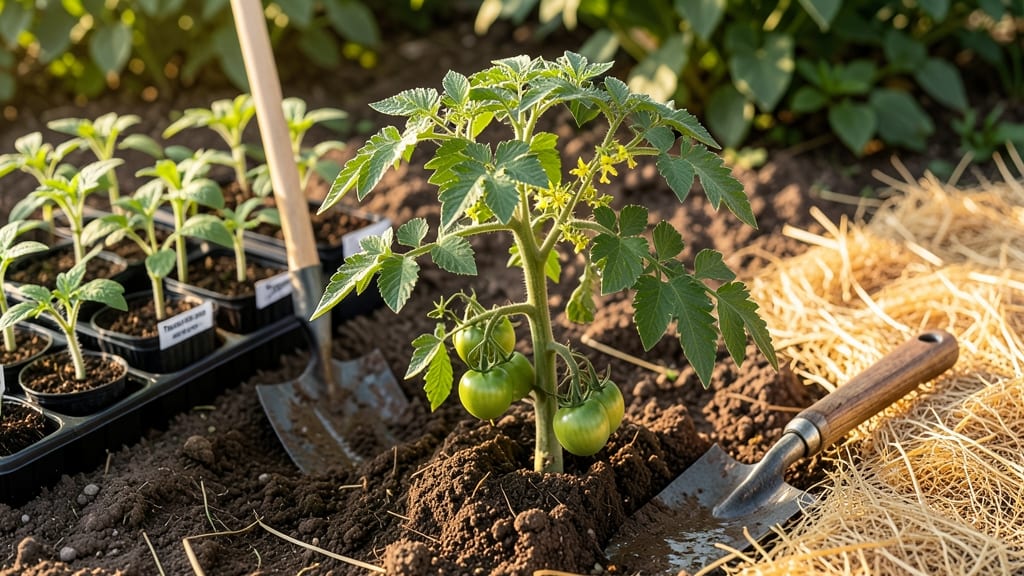
When to plant fall tomatoes in North Texas isn’t just about throwing seeds in the dirt—it’s the difference between a bountiful harvest and a sad, bolted disappointment. With USDA Zone 8a heat lingering into September, most gardeners either rush too early or wait too late, both leading to frustration.
I've learned the hard way that August through early September is your sweet spot for transplants, when soil stays warm enough to prevent stunted growth but temperatures start cooling just enough to avoid bolting.
The key? Choosing heat-tolerant varieties like 'Heatmaster' or 'Solar Fire' that thrive in these conditions while you prep your soil with organic matter and mulch.
What if you could skip the guesswork and plant with confidence? This guide breaks down the exact window, soil prep secrets, and care tips to ensure your 🍅 plants grow strong through October and beyond—no more wasted effort or half-baked harvests.
Let's get your fall tomatoes off to the right start with three critical steps that make all the difference in North Texas' unpredictable climate.
Optimal planting dates for fall tomatoes in North Texas (avoiding bolt risk)
Timing your fall tomato planting in North Texas is all about beating the heat while avoiding early frost. The key window runs from late July through early September, but exact dates depend on your microclimate—whether you're in Dallas, Fort Worth, or Waco.
Planting too early (before mid-July) risks bolt risk from residual summer heat, while waiting past mid-September leaves little time for fruit maturation before frost.
North Texas's USDA Zone 8a climate means we have about 190 frost-free days, but fall plantings need 60-85 days to harvest. That leaves us with a tight 100-day window for planting to harvest.
Start counting backward from your average first frost date (November 15) to determine your ideal transplant date.
For Dallas/Fort Worth, aim for transplanting between August 1-15. This gives your plants enough time to establish roots before temperatures drop. In Waco's hotter climate, you can push it slightly earlier to late July, but be prepared to use shade cloth if heatwaves persist.
Soil temperature is the real game-changer. Tomatoes need soil temps above 60°F (15°C) to germinate and grow properly. Use a soil thermometer to check—if temps drop below this threshold, delay planting or use black plastic mulch to warm the soil faster.
| Region | Optimal Planting Window | Soil Temp Requirement | Time to Harvest |
|---|---|---|---|
| Dallas/Fort Worth | August 1-15 | 60°F+ (15°C+) | 70-85 days |
| Waco | July 25-August 10 | 65°F+ (18°C+) | 60-75 days |
| East Texas (Tyler) | August 10-25 | 58°F+ (14°C+) | 75-85 days |
If you're starting from seeds instead of transplants, begin indoors 6-8 weeks before your target outdoor date. Use grow lights to provide 14-16 hours of light daily—North Texas's shorter fall days make this critical. Harden off seedlings for 7-10 days before transplanting to avoid shock.
Watch for heat stress signs like wilting leaves or yellowing at the edges. If temps exceed 95°F (35°C) for more than 3 days, provide afternoon shade with lightweight row covers. This is especially important for determinate varieties, which are more sensitive to heat spikes.
Pro tip: Use transplants from local nurseries (like those from North Texas growers) instead of mail-order seedlings. They're already heat-acclimated and will establish faster. Look for 6-inch-tall plants with 3-4 sets of leaves—these have the best balance of root development and top growth.
Remember, fall tomatoes thrive on consistency. Once planted, maintain even moisture and regular feeding with a balanced fertilizer (5-10-10) every 3-4 weeks. This keeps your plants focused on fruit production rather than stress responses.
🌱
Optimal planting dates for fall tomatoes in North Texas (avoiding bolt risk)
Timing your fall tomato plantings in North Texas is all about beating the heat while avoiding early frost. The ideal window is late July through early September, when daytime temps dip below 90°F but nights stay above 60°F—perfect for transplant survival.
I’ve found that August 1-15 offers the sweet spot for most gardeners in Dallas-Fort Worth, balancing soil warmth and cooling trends.
Your soil temperature is the real game-changer. Tomatoes need soil at least 60°F to root properly, but above 85°F triggers bolting (flowering too early). Use a soil thermometer to check—if it’s 70-80°F, you’re golden. In Waco’s hotter microclimate, aim for early August plantings to avoid September heat spikes.
Here’s the visual breakdown of your planting timeline, tailored to North Texas regions:
Pro tip: Start with transplants (not seeds) to shave off 2-3 weeks of growth time. Seedlings from local nurseries are already hardened off and ready to handle North Texas’s dry winds.
I’ve had the best luck with 4-6 week old plants purchased in early August—just pop them in the ground after sunset to reduce transplant shock.
Watch for first frost warnings after your planting date. North Texas’ average first frost hits November 15, but mountains can push it earlier. If you plant in late August, aim for 70-day varieties to harvest before cold sets in.
For September plantings, choose 60-day varieties like 'Early Girl' to beat the clock.
One mistake I see often? Overwatering after transplanting. While tomatoes love moisture, soggy soil in 90°F+ heat invites fungal diseases. Water deeply every 2-3 days at the base (not overhead) and mulch immediately to lock in moisture. Your goal is consistent, not saturated soil.
Ready to plant? Grab your tomato cages and organic fertilizer—your fall harvest starts now. 🌱