
Plants
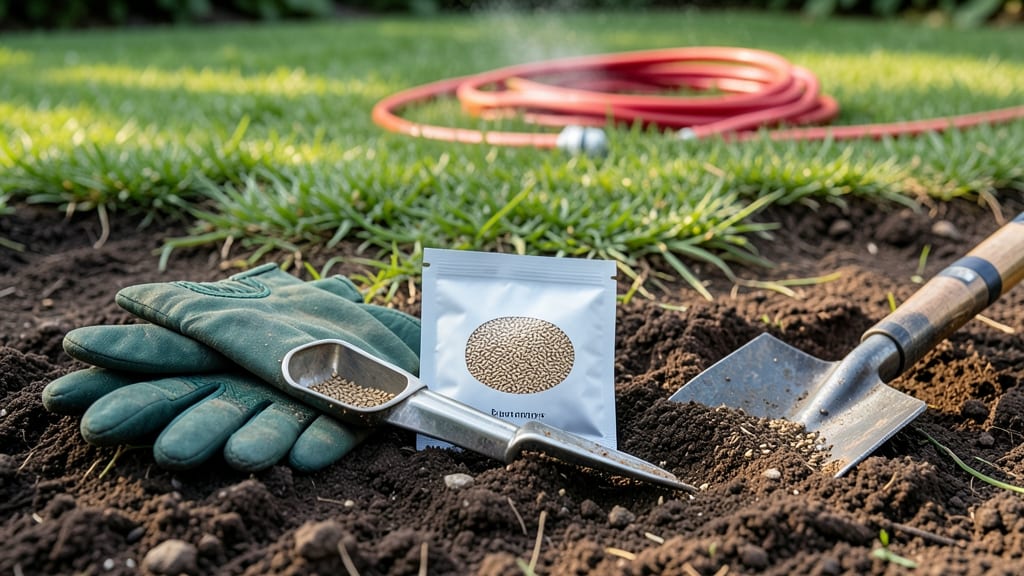
Planting the Bermuda seed in North Texas at the wrong time means battling drought and scorching heat before your lawn even gets a chance to root. The key to success? Starting seeds between late April and early June—after the last frost but before summer’s brutal temperatures kick in.
Why does timing matter so much? Bermuda Grass thrives in heat, but young seedlings need consistent moisture to establish strong roots. If you plant too late, the intense North Texas sun and dry spells can stunt growth before your lawn reaches its full potential.
In this guide, I’ll break down the exact planting window for USDA Zone 8a, the best heat-resistant varieties, and how to prep your soil for maximum success. Skip the guesswork and learn how to give your Bermuda Grass the best possible start.
Whether you’re seeding a new lawn or repairing patches, these insights will help you avoid common mistakes and keep your grass lush all season long—even through Texas summers.
Best months to plant Bermuda seed in North Texas (exact timeline)
Planting Bermuda grass seed in North Texas requires precision—especially in USDA Zones 8a/8b. The ideal window spans just 6 weeks, from late April to early June, after the last frost (March 15) and before summer heat peaks.
Missing this window risks weak germination or drought stress before establishment.
Why? Bermuda grass thrives in warm soil (65°F+), but late May plantings often struggle under 100°F+ temperatures. Urban areas (like Dallas) may need to plant 2 weeks earlier due to heat islands, while rural zones can extend slightly later.
Here’s the critical timeline for North Texas:
Pro tip: Use a soil thermometer to confirm 65°F+ soil temps before planting. If temps dip below 55°F, germination stalls completely. Rural areas with clay soil retain heat longer, while sandy soils may need earlier planting.
For shade-prone yards (e.g., under trees), opt for Riverstar Bermuda, which tolerates 30% shade better than standard varieties. However, even shade-tolerant types need 4+ hours of sun daily for optimal growth.
Planting after June 1 in North Texas is risky—90% of seed may fail to establish due to heat stress. If you miss the window, consider sod instead, which establishes faster in extreme heat.
Monitor your local weather forecasts for 10-day heat waves. If temps exceed 95°F for 3+ days during germination, seeds may bake in the soil. A light shade cloth (30% coverage) can help during peak heat.
Once established, Bermuda grass goes dormant in winter but rebounds quickly in spring. Early plantings (April) give roots 3–4 months to strengthen before summer’s drought stress.
For urban lawns, account for sidewalk heat reflection—plant 1–2 weeks earlier than rural areas. Use mulch to insulate soil and retain moisture during 100°F+ days.
Best months to plant Bermuda seed in North Texas (exact timeline)
Timing is everything when planting Bermuda grass seed in North Texas. The ideal window spans from late April to early June, right after the last frost date (typically March 15) and before summer’s scorching heat sets in.
Planting too early risks frost damage, while late planting means seeds struggle to establish before drought and extreme temperatures take over.
North Texas falls under USDA Zones 8a/8b, where soil temperatures must reach 65°F (18°C) for optimal germination. Most years, this aligns with mid-April to early May.
If you miss this window, your lawn may never reach its full potential, leaving you with patchy, weak growth that’s vulnerable to weeds and heat stress.
Here’s the critical timeline for planting success in North Texas:
| Stage | Action | Notes |
|---|---|---|
| Early April | Test soil temperature | Use a soil thermometer; wait until it’s 65°F+. |
| Late April | Plant seeds or sod | Best window for germination. |
| May–June | Monitor watering | Deep water 2–3x weekly to prevent drought stress. |
| July+ | Reduce watering | Let roots seek moisture; avoid overwatering. |
Urban areas like Dallas-Fort Worth may experience microclimates with slightly later frost dates, while rural zones like Waco or Abilene can see earlier heat spikes. Adjust your planting date by 1–2 weeks if your area runs hotter or cooler than average.
Always check local weather forecasts for frost warnings in early spring.
If you plant after June, seeds may germinate too slowly, leaving your lawn vulnerable to summer drought and weed competition. For best results, aim to have 60% coverage by July 4th, giving your Bermuda grass a fighting chance against North Texas’s relentless heat.
Pro tip: Use a soil thermometer to confirm readiness. If temperatures dip below 65°F, wait—your seeds won’t sprout, and you’ll waste money on a failed lawn. Patience here pays off with a lush, heat-resistant Bermuda grass lawn by summer’s end. 🌱