
Plants
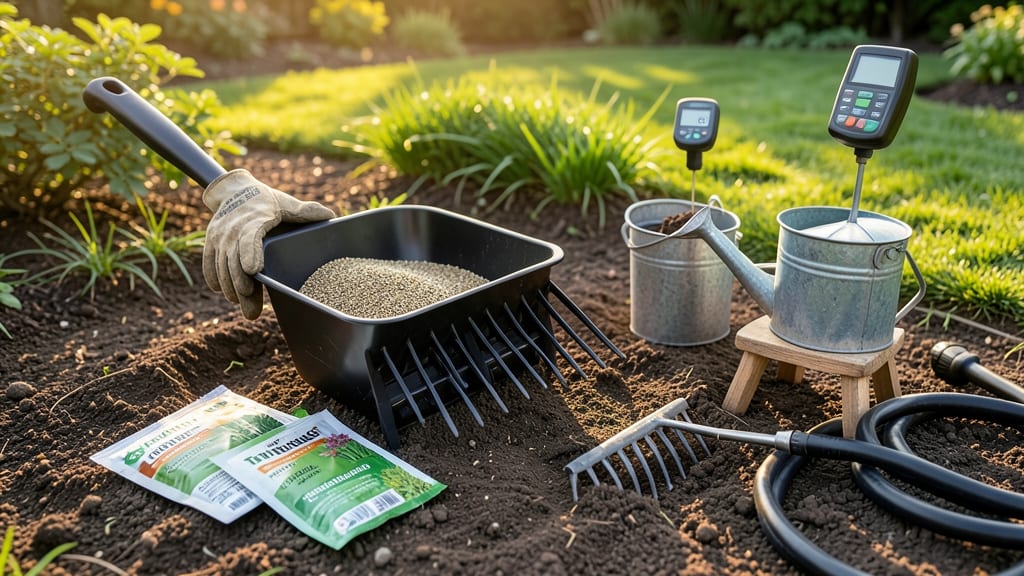
Timing your Lawn Grass seed planting in Michigan isn't just about grabbing a bag at the store—it's about catching those narrow windows when your 🌱 has the best shot at thriving.
With USDA Zones 5b-6b bringing unpredictable frost dates and soil temperatures that shift faster than Detroit weather, getting it wrong can mean wasted seed or stunted growth.
Most gardeners assume spring is the only chance, but Michigan's climate actually offers two prime opportunities—early spring and early fall—when soil temperatures hit that sweet 50-60°F range for optimal germination.
The key? Planting when the ground is workable but the first frost is still weeks away, giving your new lawn time to establish roots before winter sets in.
I've seen firsthand how a few weeks' difference can mean the difference between a lush green carpet and patchy disappointment.
Whether you're seeding a new yard or repairing bare spots, understanding Michigan's regional variations—from the Upper Peninsula's cooler climate to southern areas that warm up faster—is the secret to fast, reliable results.
Ready to stop guessing and start growing? Let's break down exactly when to plant, what to watch for, and how to prepare your soil for Michigan's unique growing conditions—so you can finally enjoy that picture-perfect lawn without the frustration.
Michigan grass seed planting calendar: best months by region (Zone 5 vs 6)
Michigan’s climate—with its USDA Zones 5b-6b—creates distinct planting windows for northern vs. southern regions. In Zone 5 (Upper Peninsula, Traverse City), cooler temperatures delay spring planting, while Zone 6 (Detroit, Grand Rapids) allows earlier starts. Understanding these differences ensures your grass seed germinates fastest and strongest.
For spring planting, aim for when daytime temperatures consistently stay above 50°F and nighttime temps don’t dip below 40°F. In Zone 6, this is typically mid-April to early May, while Zone 5 waits until late April to May.
Fall planting, however, is more forgiving—seed can go in 4-6 weeks before first frost (usually mid-September to early October).
Here’s how Michigan’s regional microclimates affect your planting timeline:
Fall planting often yields better results in Michigan because cooler temps reduce weed competition and help roots establish before winter. If you miss the ideal window, don’t despair—you can still plant in late summer (August) or even early November in Zone 6, but germination may slow.
Pro tip: Use a soil thermometer to confirm temps are 50–60°F before planting. Cold soil delays germination, while warm soil (above 70°F) can stress seeds. Michigan’s clay-heavy soils also benefit from pre-warming in spring—consider a black plastic tarp for 1–2 weeks before seeding to speed up the process.
For fastest germination, pair your planting with a light mulch of straw (¼ inch thick) to retain moisture and protect seeds from wind. Avoid heavy mulch, which can smother young sprouts. Water gently but deeply—1 inch per week—to encourage root growth without washing seeds away.
Remember: Kentucky Bluegrass and Tall Fescue, Michigan’s top choices, thrive in cool-season planting. Warm-season grasses like Bermuda (rare in Michigan) aren’t ideal for our climate. Stick to cool-season blends for year-round success.
If you’re in Zone 5 and planting late, opt for Perennial Ryegrass—it germinates faster (in 7–14 days) than Kentucky Bluegrass (21–30 days). This gives your lawn a head start before winter sets in.
🌱
How to prepare Michigan soil for grass seed: 5 critical steps for fast germination
Michigan’s clay-heavy soils and acidic pH can turn grass seed into a gamble—unless you prep the ground right. The secret to a fast-germinating lawn starts with soil that’s loose, fertile, and at the perfect pH level (6.0–7.0).
Skipping prep means struggling with poor seed-to-soil contact or weed competition, both of which delay your dream green lawn.
I’ve seen too many gardeners rush this step and end up with patchy, slow-growing grass. Let’s fix that with a 5-step soil prep routine tailored to Michigan’s unique challenges—from Detroit’s urban soils to Traverse City’s sandy loam.
Start with a soil test kit (available at local garden centers) to identify your biggest hurdles.
🌱 Did You Know? Michigan’s average soil pH is 6.5, but 30% of lawns test below 6.0—limiting nutrient uptake and slowing grass growth. A simple lime application can raise pH in just 2–3 months.
5 Critical Steps for Michigan Soil Prep
- 1. Test Soil pH – Use a home test kit or send a sample to MSU Extension Lab (results in 10 days). Aim for 6.0–7.0 pH for cool-season grasses.
- 2. Loosen Compacted Soil – Rent a core aerator (spring/fall) to create ½-inch deep holes every 2–3 inches. Skip tilling—it disrupts soil structure.
- 3. Amend with Compost/Sand – Mix 1–2 inches of compost into the top 4 inches of soil. For clay-heavy areas, add sand (50% compost, 50% sand) to improve drainage.
- 4. Remove Weeds & Debris – Pull weeds by hand or use a non-selective herbicide (like glyphosate) 2 weeks before seeding. Rake away rocks and thatch.
- 5. Level the Surface – Fill low spots with topsoil and rake until the area is smooth and even. Press lightly with a lawn roller for seed-to-soil contact.
For acidic soils (pH < 6.0), apply pelletized lime (10 lbs per 1,000 sq ft) in early spring. For compacted clay, consider a gypsum amendment (20 lbs per 100 sq ft) to break up particles without altering pH. Always water amendments into the soil to activate them.
Pro tip: Overseed existing lawns in fall by lightly raking to expose soil without disturbing roots. This skips full prep but still boosts density. Just keep foot traffic off the area for 4–6 weeks to let seeds germinate.
Once your soil is prepped, plant within 24 hours to lock in moisture and prevent crusting. The key? Consistent watering (1 inch per week) for the first 3 weeks—no skipping! 🌱