
Trees
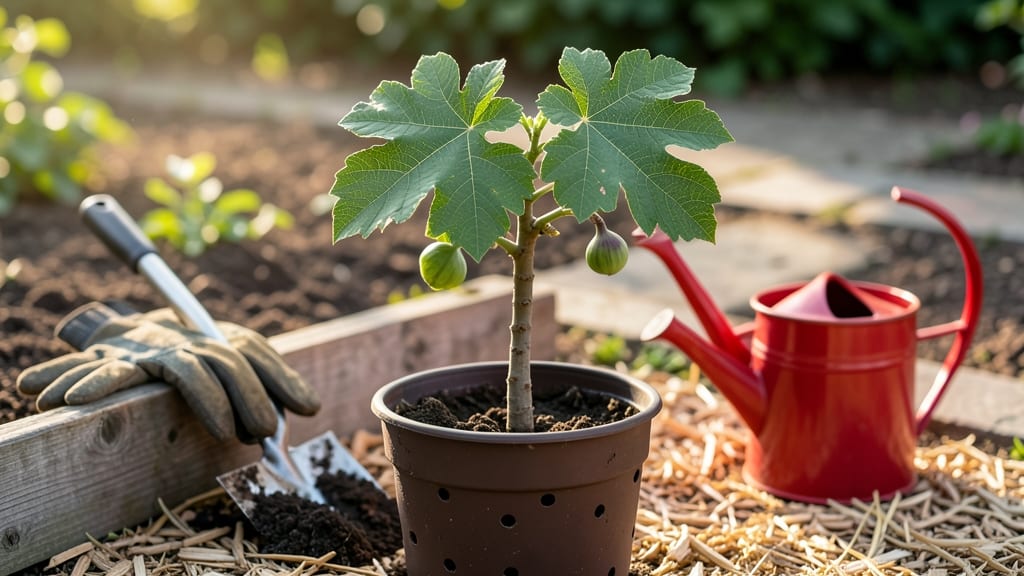
Fig trees thrive in Georgia’s warm climate, but planting them at the wrong time can mean lost harvests and stunted growth. Whether you're in the Piedmont or coastal regions, timing your 🍈 fig tree planting to align with Georgia’s frost-free zones is the key to success.
With the right approach, you can enjoy sweet, homegrown figs for years to come.
Georgia’s 7a-8b zones offer two ideal windows for planting: late winter to early spring or early fall. Spring planting lets your tree establish roots before summer heat, while fall planting gives it time to settle before winter dormancy.
Both methods work, but the perfect timing depends on your specific region and microclimate.
In this guide, I’ll break down exactly when to plant your fig tree in Georgia, from frost dates to soil temperatures. You’ll learn how to prepare your planting site, choose the right variety for your zone, and care for your tree post-planting.
Let’s get started on your path to a bountiful fig harvest!
Don’t wait until it’s too late—discover the best months to plant your fig tree and set it up for long-term success. With the right timing, you’ll be enjoying fresh figs in no time, straight from your own backyard.
Georgia’s frost-free zones: best planting months by region
Georgia’s climate varies dramatically from its northern mountains to coastal plains, creating three distinct planting zones for fig trees. Understanding these zones helps you avoid frost damage and maximize growth.
Most of Georgia falls within USDA Zones 7a-8b, but microclimates—like urban heat islands or sheltered valleys—can shift your ideal planting window by weeks.
The last frost date in Georgia typically ranges from mid-March in the north (e.g., Athens, GA) to early February in the south (e.g., Savannah, GA). For fig trees, this means bare-root planting should happen 4-6 weeks after your local last frost date, while container-grown figs can tolerate slightly earlier transplanting.
Here’s how to align your planting with Georgia’s frost-free zones and regional quirks:
| Region | USDA Zone | Last Frost Date | Best Planting Window | Notes |
|---|---|---|---|---|
| North Georgia (e.g., Atlanta, Dahlonega) | 7a-7b | March 15–April 1 | April 15–May 15 (spring) or September 1–October 15 (fall) | Late frosts common; opt for cold-hardy varieties like 'Celeste' or 'Chicago Hardy'. |
| Central Georgia (e.g., Macon, Athens) | 7b-8a | March 1–March 15 | March 15–April 30 (spring) or September 15–October 30 (fall) | Balanced climate; standard varieties like 'Brown Turkey' thrive here. |
| South Georgia/Coastal (e.g., Savannah, Brunswick) | 8a-8b | January 15–February 15 | February 1–March 15 (spring) or August 15–September 30 (fall) | Humidity and heat; prioritize well-draining soil and afternoon shade. |
| Valleys/Microclimates (e.g., Chattahoochee Valley) | 7a-8a | Varies (check local records) | Adjust by 2–4 weeks earlier/later based on frost history. | Sheltered areas can extend the growing season by 3–4 weeks. |
For container-grown fig trees, you can plant 2–4 weeks earlier than bare-root trees because their roots are less sensitive to cold. However, avoid transplanting when soil temperatures drop below 60°F, as this stunts root growth.
Georgia’s fall planting window (September–October) is ideal for most regions because fig trees establish roots before winter dormancy. In Zone 7a (northern GA), opt for early September planting to avoid early frost, while Zone 8b (coastal GA) can extend planting into late October.
Pro tip: Use the National Weather Service’s frost calendar for your city to pinpoint exact dates. For example, Atlanta’s average last frost is March 15, but microclimates in Stone Mountain may push this to April 1.
In coastal Georgia, humidity and heat can stress fig trees, so prioritize afternoon shade and well-draining soil to prevent root rot. Varieties like 'Celeste' or 'Desert King' handle these conditions better than standard types.
Always test your soil temperature with a soil thermometer before planting—fig roots need consistent warmth to thrive. Aim for 60°F or higher at a 6-inch depth.
🌱
Spring vs. fall planting: which works best for Georgia figs?
Deciding between spring and fall planting for your Georgia fig tree depends on your USDA zone and local microclimate. Both seasons have pros and cons, but understanding their unique challenges will help you choose the best time for your garden.
Let’s break down the key factors to consider for each season.
In spring, fig trees benefit from warm soil and longer daylight hours, which encourage rapid root growth. However, late frosts in Zone 6 or higher elevations can still pose a risk.
Planting too early—before soil temperatures reach 60°F—can stunt root development and leave your tree vulnerable to cold snaps.
On the other hand, fall planting allows fig trees to establish roots before winter, giving them a head start in spring. This method is especially effective in Zone 7-8, where winters are mild.
The key is to plant 6-8 weeks before the first frost, ensuring roots have time to anchor before dormancy sets in.
Spring Planting
- Longer growing season for fruit production
- Warm soil encourages root growth
- Easier to monitor for pests and diseases
- Risk of late spring frosts in cooler zones
- Slower root establishment if planted too early
- Requires consistent watering during dry spells
Fall Planting
- Roots establish before winter dormancy
- Lower pest pressure in cooler months
- Milder weather reduces transplant shock
- Limited time for root growth before frost
- Requires protection in colder microclimates
- Harder to assess tree health in dormant season
For spring planting, aim for late February to early April in Zone 7-8, once soil temperatures consistently stay above 60°F. In Zone 6, wait until mid-April to avoid frost damage. Always acclimate bare-root trees for 1-2 weeks before planting to reduce shock.
If you prefer fall planting, target September to early October in Zone 7-8, giving roots 6-8 weeks to establish. In Zone 6, plant by mid-September to ensure roots harden off before winter. Mulch heavily around the base to insulate roots and retain moisture during cooler months.
Regardless of season, soil preparation is critical. Amend your planting site with compost and sand to improve drainage, as fig trees hate soggy roots. A well-draining, slightly acidic to neutral soil (pH 6.0-7.0) sets the stage for healthy growth. Test your soil before planting to avoid surprises!