
Trees
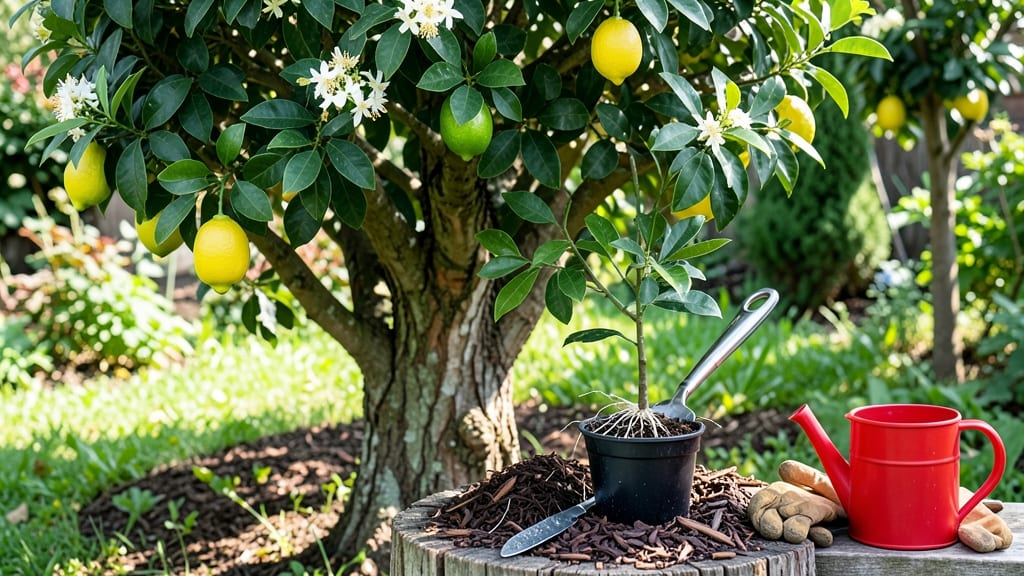
Planting your 🍊 citrus tree in Arizona at the wrong time can turn your dream orchard into a sad, wilted disappointment. The key to thriving growth isn't just about Arizona's famous sunshine—it's about understanding the perfect window when the desert's dormant season works in your favor.
If you've ever wondered why some citrus trees in Phoenix flourish while others in Tucson struggle, the answer lies in timing. Planting during Arizona's cooler months—between November and March—gives your young tree the best chance to establish roots before the brutal summer heat arrives.
I've seen firsthand how planting too late can leave trees vulnerable to heat stress, while getting it right means stronger growth and bigger harvests. Let me show you exactly when to plant, how to prepare your soil, and which citrus varieties handle Arizona's extremes like pros.
Whether you're a first-time gardener or a seasoned citrus enthusiast, these insights will help you avoid common mistakes and give your 🍊 citrus tree the desert-friendly start it deserves. Ready to get growing?
Best planting months for citrus trees in Arizona’s climate zones
Arizona’s diverse microclimates mean your citrus tree’s planting window depends heavily on whether you’re in the Low Desert (Phoenix, Tucson) or High Desert (Flagstaff, Prescott). The ideal planting window spans November through March, aligning with the tree’s dormant season and cooler temperatures.
This timing allows roots to establish before the brutal summer heat arrives.
Citrus trees thrive when planted during cooler months because extreme heat can shock young roots. In Low Desert zones (USDA 10-11), aim for November to February, while High Desert areas (USDA 8-9) can extend planting slightly later, into March, thanks to their cooler winters.
Avoid planting during summer months—the heat stress will hinder root growth and survival.
Here’s a quick breakdown of why these months work best: November offers mild temperatures and lower humidity, December-January provides dormancy benefits, and February-March allows early root establishment before spring growth surges. Each month has unique advantages for your citrus tree’s long-term health.
🌱 Citrus Planting Timeline for Arizona
| Month | Low Desert (Phoenix/Tucson) | High Desert (Flagstaff/Prescott) | Key Consideration |
|---|---|---|---|
| October | Marginal (early) | Good (cooler temps) | Soil temps dropping; risk of early frost in High Desert |
| November | Optimal | Optimal | Ideal root establishment; minimal heat stress |
| December | Optimal | Optimal | Dormant season; slower growth reduces transplant shock |
| January | Optimal | Optimal | Cooler temps; lower pest activity |
| February | Optimal (early) | Good | Pre-spring surge; roots establish before heat |
| March | Marginal (late) | Optimal | High Desert benefits; Low Desert risks heat stress |
| April+ | Avoid | Avoid | Extreme heat; transplant shock likely |
For Low Desert gardeners, the sweet spot is December through January, when temperatures average 60-70°F—perfect for root development without the stress of summer heat. In contrast, High Desert areas can push planting into early March due to their cooler nights, often dipping into the 40s°F.
Always check your local 10-day forecast before planting to avoid unexpected cold snaps.
If you’re planting in containers, you have a slightly wider window—October to April—since you can move pots to shaded areas during extreme heat. However, bare-root trees must be planted during their dormant season (November-February) for best survival rates.
Container-grown trees offer more flexibility but require consistent watering during their first year.
One common mistake is planting too late in spring (April or May), when rising temperatures can cause transplant shock. Young citrus trees struggle to establish roots in 90°F+ soil, leading to wilting or even death.
If you miss the winter window, wait until next fall—your tree’s health depends on patience and timing.
Pro tip: Test your soil temperature before planting. Ideal soil temps for citrus root growth are 60-70°F. Use a soil thermometer to check—if it’s above 75°F, wait a few weeks. This small step can mean the difference between a thriving tree and a failed transplant.
For Phoenix and Tucson residents, prioritize December planting to align with the natural dormant cycle of citrus trees. In Flagstaff or Prescott, you might extend planting into March, but monitor for late frosts—citrus trees can’t handle temps below 28°F.
A frost cloth or row cover can provide extra protection if needed.
Remember, citrus trees are evergreen, meaning they grow year-round in Arizona’s climate. Planting during their dormant season minimizes stress, allowing them to focus energy on root development rather than leaf production. This strategy sets the stage for faster establishment and healthier growth in subsequent years.
Critical factors that determine citrus planting success in Arizona
Arizona’s desert climate might seem forgiving for citrus trees, but several hidden factors can make or break your planting success. The biggest mistake I see? Ignoring the soil temperature—citrus roots struggle when soil stays below 60°F or above 90°F.
Another critical factor is water availability. While citrus trees are drought-tolerant once established, young trees need consistent moisture during their first year. Overwatering in summer can drown roots, while underwatering in winter stresses them before dormancy.
🌱 Frost protection is often overlooked in Arizona’s Low Desert, but even Phoenix can see light frosts in January. Wrapping young trees with burlap or using frost cloth can save your investment during rare cold snaps.
Don’t forget about pH levels—Arizona’s alkaline soil (pH 7.5-8.5) can lock out essential nutrients. Amending with sulfur or peat moss keeps your citrus trees thriving by maintaining an ideal pH of 6.0-7.0.
The type of citrus you choose also matters. Varieties like ‘Meyer’ lemons and ‘Carrizo’ citranges handle Arizona’s heat better than standard oranges, which may need afternoon shade during peak summer months.
⚠️ Common Mistakes to Avoid
- Planting in summer: Extreme heat stresses young roots.
- Skipping soil prep: Desert soil lacks organic matter.
- Overwatering: Citrus hates soggy roots—drainage is key.
- Ignoring pests: Citrus pests thrive in Arizona’s warm winters.
These errors can kill your tree before it even grows! Plan ahead to avoid them.
Finally, container vs. in-ground planting affects success. Potted citrus gives you mobility to move trees during extreme heat or cold snaps, but in-ground planting provides better stability for mature trees in Arizona’s windy conditions.
By mastering these factors, you’ll give your citrus trees the best shot at survival and a bountiful harvest. The desert isn’t as harsh as it seems—just work with its quirks, not against them. 🪴