
Companion Plants
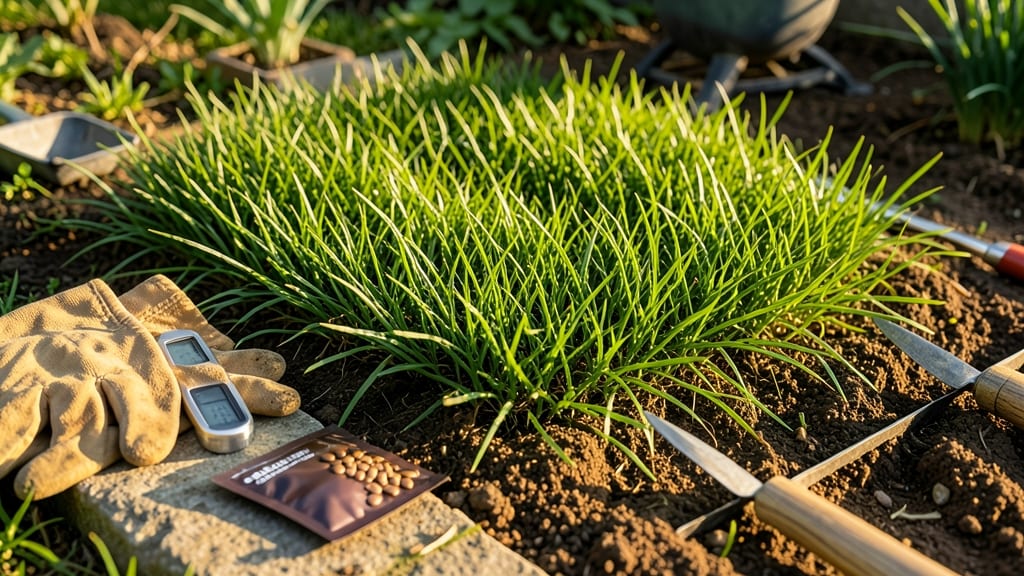
Planting Bermuda grass seed in Texas at the wrong time can turn your dream of a vibrant lawn into a costly mistake—especially when scorching summer heat or unpredictable spring rains throw off your timing.
The key to success lies in understanding when soil temperatures and weather patterns align perfectly for germination, because unlike cool-season grasses, Bermuda thrives only when conditions are just right.
If you've ever stared at your yard wondering why your Bermuda grass 🌱 struggles to take root, you're not alone. Texas's diverse climate—from North Texas's cooler springs to South Texas's brutal summer heat—means planting windows vary dramatically.
What works in Dallas might fail in Houston, and getting this wrong can delay your green lawn by months. Let me show you exactly when to plant for maximum success in your specific region.
Most gardeners assume Bermuda grass only plants in summer, but the truth is more nuanced. The ideal window actually starts as early as April in North Texas and stretches into June for South Texas, with soil temperatures being the true deciding factor.
I'll break down the exact conditions you need to watch for, plus how to prepare your soil and avoid common pitfalls that even experienced gardeners fall for.
By the end of this guide, you'll know exactly when to plant Bermuda grass seed in Texas—whether you're in the cooler Hill Country or the sweltering Rio Grande Valley—so you can skip the guesswork and enjoy a lush lawn all season long. Let's get started.
Best planting windows for Bermuda grass seed in Texas
Timing your Bermuda grass seed planting is critical in Texas, where heat, drought, and regional climate zones create unique challenges. Unlike cool-season grasses, Bermuda thrives in hot summer months, but planting too early or late can lead to poor germination or seedling failure.
The ideal window spans late spring to early summer, with subtle variations across Texas' three main regions: North, Central, and South.
In North Texas (USDA Zones 7b-8a), where last frost dates range from mid-February to mid-March, aim to plant after April 15 once soil temperatures consistently reach 65°F (18°C). This timing avoids spring heatwaves that can stress young seedlings while ensuring enough warmth for germination.
Central Texas (Zones 8a-8b) offers a slightly longer window, with planting starting mid-April and extending through May 31. The region's warmer soils and longer growing season allow for flexibility, but avoid planting before April 1—cool nights can stunt growth.
| Region | Best Planting Window | Soil Temp Threshold | Key Consideration |
|---|---|---|---|
| North Texas (Zones 7b-8a) | April 15 - May 15 | 65°F (18°C) | Avoid early April heat spikes |
| Central Texas (Zones 8a-8b) | Mid-April - May 31 | 68°F (20°C) | Longer window due to warmer soils |
| South Texas (Zones 9a-10b) | March 15 - June 15 | 70°F (21°C) | Extended window; monitor rainfall |
| East Texas (Zones 7b-8a) | April 1 - May 20 | 65°F (18°C) | Humidity can increase fungal risk |
For South Texas (Zones 9a-10b), the window expands dramatically to March 15 through June 15 due to warmer climates and longer frost-free periods. Here, the biggest challenge isn't cold but summer droughts—plant before June 15 to avoid intense heat and water restrictions that can stress seedlings.
While fall planting is possible in North and Central Texas (September-October), it's riskier due to earlier frosts and requires overseeding with ryegrass for winter protection. In South Texas, fall planting is rarely successful because winter dormancy is minimal, and the grass will go dormant anyway.
Microclimates matter too! Urban areas with concrete heat absorption may need earlier planting (as early as late March), while rural areas with cooler nights should wait until after May 1. Always check local weather forecasts for 10-day soil temperature predictions before planting.
Pro tip: Use a soil thermometer to confirm 65°F+ soil temps at 4-inch depth. If temps drop below 60°F (15°C) at night, germination will stall. Morning is the best time to plant—seeds stay moist longer in cooler air.
Remember, Bermuda grass is warm-season, meaning it goes dormant in winter. Planting too late (after June 15) means seedlings won't establish strong roots before summer heat sets in, leading to thin, weak lawns.
🌱
Critical factors that determine your planting timeline
Texas's extreme heat and variable rainfall make timing your Bermuda grass seed planting a science. The three critical factors I watch for are soil temperature, rainfall patterns, and heat tolerance thresholds. Each plays a role in whether your seeds germinate or wither before sprouting.
First, soil temperature must reach 65°F (18°C) for Bermuda grass seeds to germinate. In Texas, this typically happens between late April and early June in most regions. Using a soil thermometer is my secret weapon—it takes the guesswork out of timing.
Rainfall patterns also dictate success. Bermuda grass thrives in drought conditions once established, but seedlings need consistent moisture. Planting during Texas's dry spells (like late spring) means you'll need to supplement with irrigation until roots establish.
Finally, heat tolerance thresholds matter. Young Bermuda grass seedlings can't handle consistent temperatures above 90°F (32°C). This is why late spring planting (May-June) works best in most of Texas—it balances warm soil with cooler air.
| Factor | Ideal Condition | Texas Timing |
|---|---|---|
| Soil Temperature | 65°F+ (18°C+) | Late April-June |
| Rainfall | Consistent moisture | May-July (peak rain) |
| Heat Tolerance | <90°F (32°C) for seedlings | Avoid July-August |
For North Texas (USDA zones 8a-8b), aim for late April to early May when nights stay cool. In Central Texas (zones 8b-9a), May is ideal—soil warms faster, but mornings remain mild. South Texas (zones 9b-10b) can plant as late as early June due to warmer winters.
Pro tip: Check your local Texas A&M AgriLife Extension for microclimate alerts. Urban areas like Austin or Dallas can be 5-10°F hotter than rural zones, delaying safe planting by weeks. Always adjust your timeline accordingly!
Remember, patience is key. Rushing planting to beat the heat often backfires. Bermuda grass rewards those who wait for perfect conditions—not just good ones. 🌱