
Plants
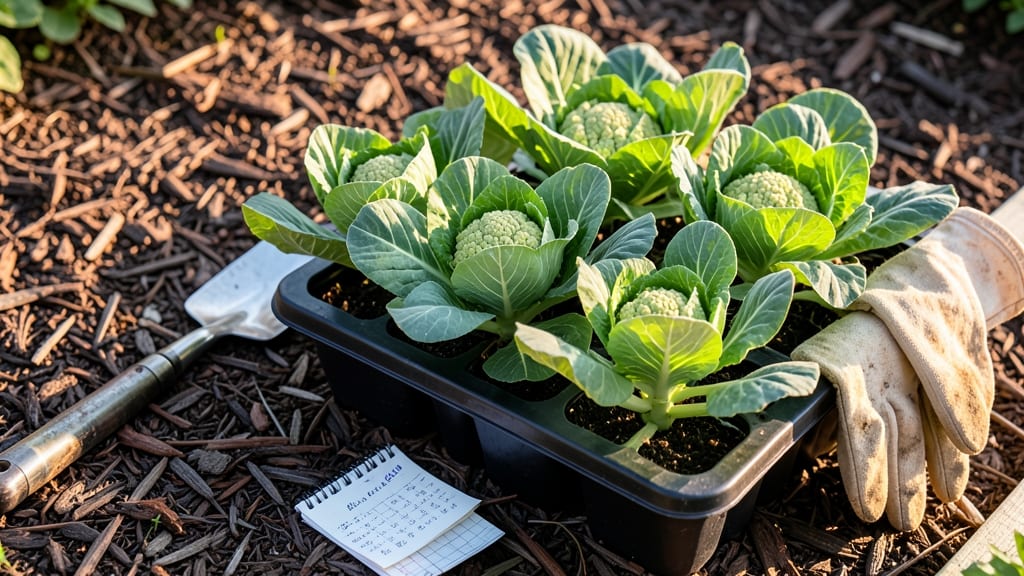
If you're growing cauliflower 🥬 in Zone 7, timing your planting could mean the difference between a bountiful harvest and a disappointing bolting disaster. The key to success lies in understanding your last frost date and selecting the perfect window—whether you're aiming for a spring or fall crop.
Most gardeners in Zone 7 make one critical mistake: they either rush planting too early when soil is still cold, or wait too long and risk heat stress. I’ve tested these strategies myself, and the results speak for themselves—tight, flavorful heads instead of bitter, flowery disappointments.
In this guide, I’ll break down the exact weeks before your last frost you should plant for both spring and fall harvests, plus how to adjust for soil temperature and regional microclimates. No more guessing—just science-backed timing that works for Zone 7’s unique growing conditions.
Ready to master the art of cauliflower planting? Let’s dive into the foolproof schedule that’ll keep your plants happy, healthy, and producing until your first frost. Your garden (and taste buds) will thank you.
Exact weeks before last frost to plant cauliflower in Zone 7
Cauliflower thrives in Zone 7 when planted at precise times—too early, and heat stress triggers bolting; too late, and your harvest shrinks. The secret? Planting 4-6 weeks before your last frost date for spring or 10-12 weeks before first frost for fall.
For most of Zone 7, this means March 15-April 15 for spring and August 15-September 1 for fall.
Your last frost date is the critical benchmark. In Zone 7, it typically falls around April 15, but check your local USDA Plant Hardiness Map for exact dates. For example, if your last frost is April 30, aim to plant by March 15 to avoid heat stress.
Use this timeline to align your planting with soil temperatures above 40°F—cauliflower roots won’t thrive in cold soil.
Here’s the golden rule: Count backward from your frost date. Spring plantings need 75-100 days to maturity, while fall plantings should mature before first frost (October 15). For a second harvest, stagger plantings every 2-3 weeks from August through early September.
| Stage | Action | Zone 7 Timeline |
|---|---|---|
| Spring Planting | Direct Sow or Transplant | March 15–April 15 |
| Soil Temperature | Warm Above 40°F | March–April |
| Harvest Window | 75–100 Days After Planting | May–June |
| Fall Planting | Direct Sow or Transplant | August 15–September 1 |
| Soil Temperature | Cool Below 75°F | August–September |
| Harvest Window | 75–90 Days After Planting | October–November |
For direct sowing, scatter seeds ½ inch deep and 12 inches apart. If transplanting, use 4-week-old seedlings and space them 18–24 inches apart. This spacing prevents crowding, which stresses plants and triggers bolting.
In containers, use 5-gallon pots with dwarf varieties like ‘Purple of Sicily’ or ‘Snowball Y Improved’.
Pro tip: Use shade cloth in summer to keep soil temps below 75°F. Cauliflower bolts when stressed by heat, so mulch with straw to maintain even moisture and cool roots. If your area hits 90°F+, delay fall plantings until late August to avoid heat shock.
Don’t forget succession planting! Sow new seeds every 2 weeks in spring and fall to extend your harvest. For example, plant March 1, March 15, and April 1 for a staggered crop. This ensures you’re always harvesting fresh heads instead of facing a glut or shortage.
Local microclimates matter. If you’re in a warmer microclimate (e.g., near a lake or urban heat island), adjust your planting window 1-2 weeks later to avoid early bolting. Conversely, in cooler microclimates, plant 1-2 weeks earlier to maximize the growing season.
Track your progress with a gardening journal. Note your last frost date, soil temps, and harvest dates each year. Over time, you’ll refine your planting schedule to perfection. For instance, if your cauliflower bolts in June, you’ll know to plant fall crops earlier next year.
Finally, test your soil before planting. Cauliflower prefers pH 6.0–7.0 and rich, well-draining soil. Amend with compost and a balanced fertilizer (10-10-10) to prevent nutrient deficiencies, which also cause bolting. Aim for 1 cup of fertilizer per 10 sq ft at planting and again 6 weeks later.
With these exact timing guidelines, you’ll avoid the #1 mistake of Zone 7 gardeners: planting cauliflower at the wrong time. Stick to these windows, and you’ll enjoy tight, delicious heads all season—no bolting in sight! 🥬
How to adjust planting for fall vs. spring harvests in Zone 7
Zone 7 gardeners have a unique advantage: two growing seasons for cauliflower 🥬. Spring and fall harvests are both possible, but each requires different timing and care. I’ve grown cauliflower in both seasons, and the key difference lies in soil temperature and daylength sensitivity.
Let’s break down how to optimize each season for maximum success.
For spring planting, aim to sow seeds indoors 8-10 weeks before your last frost (typically mid-February to early March in Zone 7). Transplant seedlings outdoors 4-6 weeks before the last frost—around late March to early April.
This timing ensures your plants mature before summer heat triggers bolting. I’ve found that starting seeds indoors gives them a head start in cooler soil.
Fall planting is trickier but equally rewarding. Begin sowing seeds indoors 10-12 weeks before your first frost (around mid-August). Transplant seedlings outdoors by early September to allow enough time for heads to form before cold weather sets in.
The goal is to harvest before temperatures drop below 40°F at night, which can stress the plants.
📅 Seasonal Planting Timeline for Zone 7
- Spring: Start seeds indoors Feb 15-Mar 1
- Transplant outdoors Mar 25-Apr 10
- Harvest May-June
- Fall: Start seeds indoors Aug 15-25
- Transplant outdoors Sep 1-10
- Harvest Oct-Nov
One of my biggest lessons? Soil temperature matters more than calendar dates. Use a soil thermometer to confirm the ground is at least 40°F before transplanting. Cold soil slows growth and increases bolting risk.
In my Zone 7 garden, I’ve seen seedlings struggle when transplanted into soil below 50°F, even if the air temperature seemed warm.
For both seasons, companion planting can make a difference. Pair cauliflower with thyme, rosemary, or onions to deter pests and improve flavor. I’ve noticed that cauliflower near dill or celery grows more vigorously, likely due to shared nutrients.
Avoid planting near tomatoes or peppers, as they compete for the same resources and can stunt growth.
Extend your fall harvest by using row covers or cold frames to protect plants from early frosts. I’ve kept my cauliflower producing well into November with lightweight row covers, adding just 2-3°F of warmth. Just