
Plants
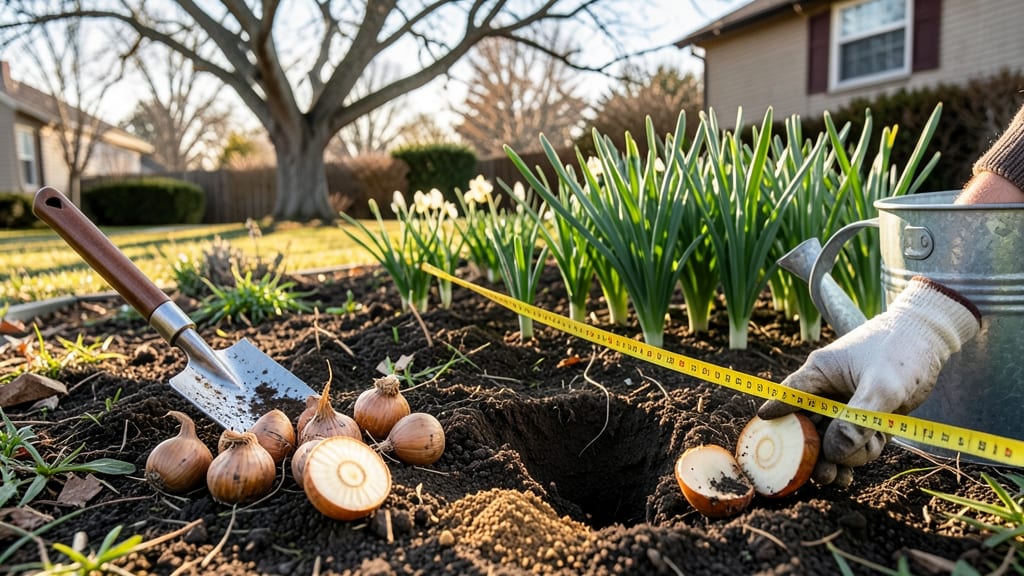
If you’ve ever planted daffodils in California only to watch them wither before spring blooms, you’re not alone. The perfect timing for planting these 🌼 beauties depends entirely on whether you’re coastal or inland—and getting it wrong can mean the difference between a vibrant garden and a sad, shriveled bulb.
California’s microclimates create a tricky puzzle: coastal areas like San Francisco enjoy milder winters, while inland zones like Sacramento face earlier frosts. Plant too early, and your bulbs may rot; too late, and they’ll struggle to root before summer’s heat.
The key? Understanding your specific zone—whether you’re in 9a-10b or a cooler microclimate—and adjusting your schedule accordingly.
In this guide, I’ll break down the best months to plant daffodils in your exact location, from October’s cooler coastal windows to January’s early-winter inland opportunities.
You’ll also discover how to prep your soil, protect your bulbs from California’s unpredictable weather, and ensure those cheerful 🌼 blooms appear right on schedule.
Ready to transform your garden? Let’s dive into the game-changer tips that’ll make your daffodils thrive—no matter where you are in the Golden State.
California daffodil planting calendar: coastal vs inland months explained
California’s diverse climate zones create a tricky puzzle for daffodil lovers. While coastal areas like San Francisco enjoy mild winters, inland valleys such as Sacramento face earlier frosts. This means your planting window could shift by 6 weeks or more depending on where you live.
Let’s break it down by month so you can plant with confidence.
For USDA Zones 9-10 (most of California), daffodils thrive when planted in fall or early winter. The key is to get bulbs in the ground 6-8 weeks before the first frost—but since frost dates vary wildly, we’ll map it out for you.
Coastal gardeners can plant later, while inland areas need to act faster to avoid winter freezes.
🌱
| Month | Coastal Zones (e.g., San Francisco, LA) | Inland Zones (e.g., Sacramento, Fresno) | Soil Temp | Key Notes |
|---|---|---|---|---|
| September | ✅ Ideal | ✅ Ideal | 55-65°F | Warm soil speeds root growth. Perfect for early bloomers like 'Tête-à-Tête'. |
| October | ✅ Best Month | ✅ Best Month | 50-60°F | Peak planting time for most varieties. Soil stays workable longer. |
| November | ✅ Still Good | ⚠️ Last Chance | 45-55°F | Coastal areas: safe. Inland: plant late varieties or risk frost damage. |
| December | ❌ Too Late | ❌ Risky | 40-50°F | Coastal: bulbs may rot. Inland: only plant hardy varieties with mulch. |
| January | ❌ Avoid | ✅ Last Resort | 35-45°F | Inland only: use extra mulch and plant deep (8-10") for protection. |
| February | ❌ Too Late | ❌ Too Late | 40-50°F | Bulbs may not establish before summer heat. Skip unless using shade cloth. |
🌿
If you’re in a high-elevation area (e.g., Sierra foothills), treat your zone like inland California—plant by November to avoid early frosts. Coastal gardeners in Zone 10 (e.g., Palm Springs) can even plant as late as January, but expect smaller blooms if soil stays warm.
Pro tip: Use a soil thermometer ($10 at garden centers) to check temps. Daffodils need soil between 50-60°F for root growth. If it’s colder, wait a week or two. If warmer, plant sooner!
🌡️
For container gardening, timing shifts slightly. Coastal containers can go in through December, but inland pots need to be planted by November 1st. Use well-draining mix and place pots in partial shade during summer to prevent bulb rot.
🪴
Remember: Early varieties (like 'February Gold') need to be in the ground by October, while late bloomers (like 'Ice Follies') can wait until November. Always check the back of your bulb package for specific variety notes—some are bred for California’s heat!
How to choose the perfect planting time for your California location
Picking the right time to plant daffodils in California isn’t just about checking a calendar—it’s about reading your local microclimate. Coastal gardeners in San Diego or Santa Barbara can plant as late as December, while inland areas like Sacramento or Fresno need bulbs in the ground by November.
The key? Soil temperature—not air temperature—and knowing your last frost date for your specific zone.
Start by testing your soil’s temperature with a thermometer (available at garden centers for under $10). Daffodil bulbs thrive when soil temps drop to 60°F or below.
In coastal areas, this often happens in late October or November; inland, it can be as early as September or October. If you’re unsure, err on the side of planting slightly later—bulbs can wait in a cool, dark place until conditions are right.
Don’t forget to account for elevation changes. High desert areas like Death Valley or the Sierra foothills may experience frost earlier than sea-level zones.
For example, if you live at 3,000 feet, aim to plant by October 15; at sea level, you might have until December 1. Use the USDA Plant Hardiness Zone Map to cross-reference your location, then adjust by 2-4 weeks based on local frost patterns.
Another common mistake? Planting in summer heat. Daffodil bulbs are sensitive to temperatures above 80°F—if you’re in Southern California and the ground is still warm in September, wait until October to avoid stressing your bulbs.
Pro tip: If you’re in a hot inland valley, plant bulbs deeper (8-10 inches) to shield them from heat.
For container gardeners, timing is even trickier. Since pots heat up faster, plant 4-6 weeks earlier than ground planting to account for the warmer root zone. Use black plastic pots (they absorb heat) or shade containers with mulch or burlap during the hottest part of the day.
If you’re in Zone 10, where winters are nearly frost-free, plant in late fall (November-December) to ensure blooms appear before summer.
Finally, choose your daffodil varieties based on your timeline. Early bloomers like ‘Tête-à-Tête’ (dwarf) can handle later planting, while late varieties like ‘Dutch Master’ need to be in the ground 6-8 weeks before your area’s first frost. Matching your bulbs to your microclimate is the secret weapon for California success!