
Plants
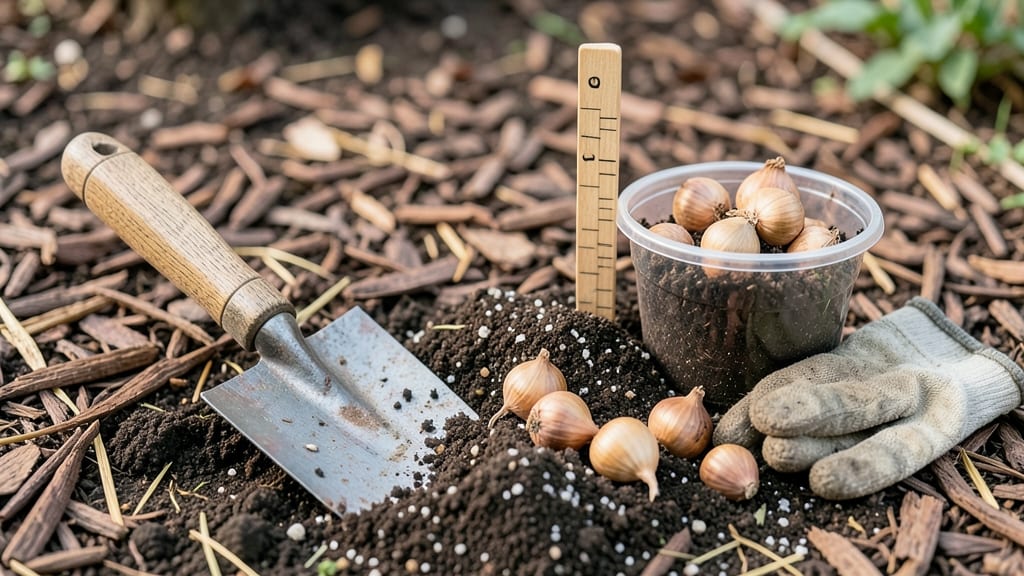
Timing your daffodil planting in New York can mean the difference between a showstopping spring display and a missed opportunity. These cheerful 🌼 blooms thrive when planted just right—before the ground freezes in USDA zones 5a-7b, but not so early that they rot in soggy soil.
New York’s climate throws a curveball with its unpredictable frosts, especially when comparing NYC’s urban heat islands to the colder upstate regions. The key? Planting in October or November gives bulbs time to root before winter’s chill sets in.
But get it wrong, and you might end up with half-hearted blooms—or worse, no flowers at all.
I’ve spent years perfecting the timing for my own garden, and what I’ve learned will help you avoid common mistakes. Whether you’re a seasoned gardener or just starting, this frost-date cheat sheet will give you the confidence to plant like a pro.
Ready to transform your yard into a springtime paradise? Let’s dive into the exact dates, soil prep tips, and post-planting care that’ll make your daffodils the envy of the neighborhood.
New York planting zones & ideal daffodil timing by frost dates
New York’s diverse climate—from USDA Zone 5a in the Adirondacks to Zone 7b near Long Island—means daffodil planting times vary wildly. To guarantee spring blooms, time your planting with frost dates and soil temperatures.
Whether you’re in NYC’s urban heat islands or the Catskills’ rocky terrain, these zone-specific windows ensure success.
Daffodils thrive when planted 6-8 weeks before the ground freezes, typically between mid-October and November in most of New York. However, Zone 5a (northern NY) may need to plant as early as late September, while Zone 7b (Long Island) can extend planting into early December.
Spring planting is riskier but possible if bulbs are chilled for 12-16 weeks beforehand.
Here’s how frost dates and USDA zones dictate your planting window:
| Zone | Avg. First Frost | Ideal Planting Window | Soil Temp. Threshold | Notes |
|---|---|---|---|---|
| Zone 5a (Adirondacks, North Country) | Oct 10-15 | Late Sept - Oct 15 | Below 60°F (15°C) | Rocky soil; add compost |
| Zone 5b (Capital District, Finger Lakes) | Oct 15-20 | Oct 1-15 | Below 55°F (13°C) | Moderate rainfall; well-drained soil |
| Zone 6a (Hudson Valley, NYC Metro) | Oct 20-25 | Oct 10-20 | Below 50°F (10°C) | Urban heat islands; plant early |
| Zone 7a (Long Island, Western NY) | Nov 1-5 | Oct 20-Nov 10 | Below 45°F (7°C) | Longer growing season; late bloomers |
| Zone 7b (Southern Tier, NYC outskirts) | Nov 5-10 | Oct 30-Nov 15 | Below 40°F (4°C) | Mild winters; extend planting |
In NYC’s urban zones, microclimates can shift frost dates by 1-2 weeks. For example, Central Park (Zone 7a) may see later frosts than Bronx (Zone 6b). Use local weather tools like the National Weather Service or Old Farmer’s Almanac to fine-tune your timing.
For spring planting, chill bulbs in the fridge for 12-16 weeks before planting after the last frost date (typically mid-April). This mimics winter dormancy but risks pests or weak roots if soil is too warm. Fall planting remains the gold standard for New York gardeners.
Pro tip: In Zone 5a, opt for early-blooming varieties like ‘Ice Follies’ or ‘Tête-à-Tête’ to beat short growing seasons. In Zone 7b, late bloomers like ‘Peach Soufflé’ thrive with extended warmth.
Fall vs. spring planting: which works best in New York’s climate?
New York’s unpredictable climate makes choosing between fall and spring planting a critical decision for daffodils. While most gardeners swear by fall planting, spring can work in certain conditions—especially if you missed the fall window or live in warmer microclimates like NYC’s urban pockets.
Fall planting is the gold standard because it gives bulbs time to establish roots before winter dormancy. In USDA zones 5a-6a (most of upstate NY), aim to plant by mid-November to avoid frost damage. Bulbs need 6-8 weeks of cool soil (40-50°F) to root properly before the ground freezes.
Spring planting is riskier but can succeed if you act fast. Plant as soon as the soil is workable (usually March-April), but before the last frost date (around April 15 in most of NY).
The key is to water deeply and mulch to protect young shoots from late frosts—common in zone 7b areas like Long Island.
Fall Planting
- Bulbs establish roots before winter
- Higher survival rate in cold zones
- Less competition from weeds
- Limited window (October-November)
- Risk of soggy soil in wet falls
- Frost can damage newly planted bulbs
Spring Planting
- Flexibility if fall planting was missed
- Works in warmer microclimates (e.g., NYC)
- Less risk of frost damage
- Lower bloom success in colder zones
- Competes with weeds for nutrients
- Requires careful watering
For upstate NY gardeners (zones 5a-6a), fall planting is non-negotiable. But in zone 7b (Long Island, parts of NYC), spring planting can yield decent results if you choose early-blooming varieties like 'Ice Follies' or 'Tête-à-Tête.' Always test soil temperature—bulbs won’t root well in soil warmer than 60°F.
Pro tip: If you spring-plant, soak bulbs in water for 24 hours before planting to kickstart growth. Pair this with a thick layer of mulch (3-4 inches) to insulate roots from temperature swings.
In my own garden, I’ve seen spring-planted daffodils bloom 2-3 weeks later than fall-planted ones—but they still add color!
Remember: Daffodils hate soggy soil in both seasons. Amend clay-heavy areas with compost to improve drainage, especially critical in wet springs like those in the Adirondacks. With the right timing, either method can work—but fall remains the safer bet for consistent blooms.