
Plants
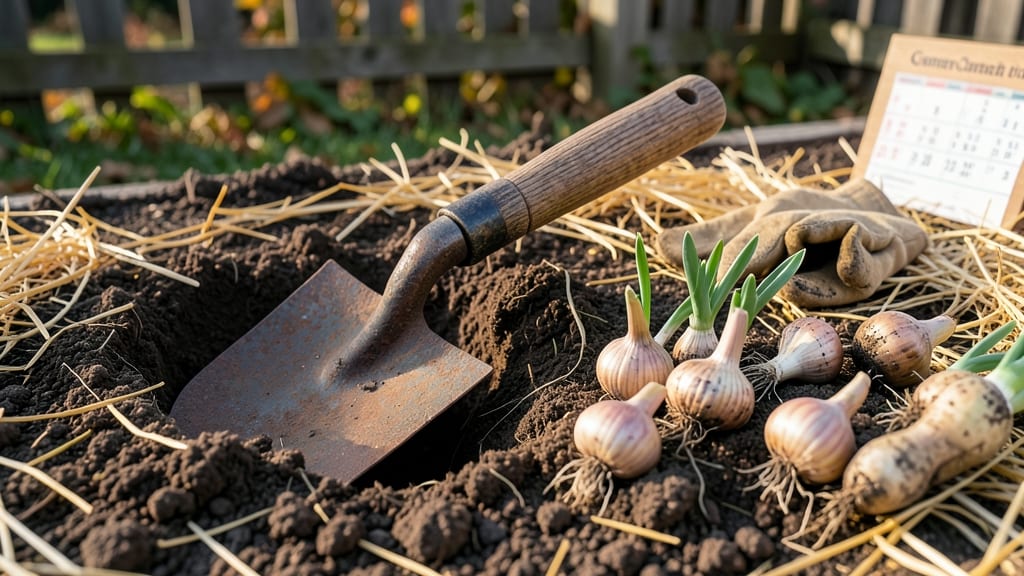
Planting bulbs in Phoenix at the wrong time means watching them fry under the desert sun before they even sprout—but get the timing right, and you’ll enjoy vibrant blooms that defy the heat. With USDA Zone 9b’s year-round warmth, traditional fall planting windows shift dramatically, and skipping summer entirely is non-negotiable.
Most gardeners assume bulbs need cool soil to thrive, but Phoenix’s brutal summers turn planting in June or July into a death sentence for 🌱 tulips, daffodils, and hyacinths.
The key? Planting between November and February when temperatures dip just enough to give roots a fighting chance before spring’s relentless sun arrives.
This isn’t just about calendar dates—it’s about reading your microclimate. Shady spots stay cooler longer, while sunny areas demand deeper watering and mulch to shield bulbs from the 110°F+ heat that arrives by April.
I’ll show you how to pick the perfect spot, prep your soil, and choose heat-resistant varieties that actually survive Phoenix’s extremes.
Ready to turn your desert garden into a springtime explosion of color? Let’s dive into the exact steps to plant bulbs without turning them into crispy snacks—plus the top 5 bulbs that thrive where others fail.
Best months to plant spring-blooming bulbs in Phoenix’s desert climate
Phoenix’s USDA Zone 9b climate means no frost to worry about, but the real enemy is summer heat. Spring-blooming bulbs like tulips and daffodils need to establish roots before temperatures soar.
Planting too late means they’ll struggle to bloom—or worse, rot in the heat. The sweet spot? November through February, when cooler temps and occasional rains create ideal conditions.
Think of it like prepping for a marathon: bulbs need time to build strength before the 100°F+ sprint of Phoenix summers. In fact, planting in late February or March risks stressing bulbs just as they’re trying to push up shoots.
Even agapanthus and rain lilies, which handle heat better, perform best when planted in the cooler months.
Here’s the golden rule: Aim to plant 6-8 weeks before your area’s first signs of spring growth. In Phoenix, that’s typically mid-October to late January. For example, if you see green shoots in early March, plant bulbs by January 1st to give them a head start.
Don’t overlook microclimates—your backyard might have cooler spots near shade trees or stone walls that let you plant slightly later. Use these areas for heat-sensitive bulbs like hyacinths, which thrive in partial shade and cooler soil.
Now, let’s break down the ideal planting window for Phoenix’s most popular spring bulbs, including soil prep tips and watering schedules to set you up for success.
🌱 Phoenix Spring-Blooming Bulbs: Planting Timeline
| Bulb Type | Best Planting Months | Planting Depth | Spacing | Bloom Time |
|---|---|---|---|---|
| Tulips | November–January | 6–8 inches deep | 4–6 inches apart | March–April |
| Daffodils | October–December | 6–8 inches deep | 4–6 inches apart | February–March |
| Hyacinths | November–January | 6 inches deep | 4–5 inches apart | March–April |
| Agapanthus | November–February | 4–6 inches deep | 12–18 inches apart | April–May |
| Rain Lilies | October–December | 3–4 inches deep | 6–8 inches apart | March–April |
Pro Tip: Amend soil with compost before planting to improve drainage and retain moisture during Phoenix’s dry spells. 🌱
Once you’ve chosen your bulbs and marked your planting dates, focus on soil preparation. Phoenix’s clay-heavy soil can suffocate bulbs, so mix in organic matter like compost or coconut coir to improve aeration. A well-draining bed is critical—bulbs rot quickly in soggy soil, even in cooler months.
After planting, water deeply to settle the soil and encourage root growth. Aim for 1 inch of water per week, delivered in the early morning to reduce evaporation. Avoid overhead watering, which can spread fungal diseases. Instead, use a soaker hose or drip irrigation to target the root zone.
Mulch with 2–3 inches of straw or gravel to retain moisture and regulate soil temperature. In full-sun areas, mulch also protects bulbs from the intense heat that radiates off pavement or concrete. Just be sure to keep mulch 2 inches away from bulb stems to prevent rot.
Finally, resist the urge to fertilize right
How to adjust planting times for summer-blooming bulbs in extreme heat
Phoenix’s summer heat isn’t just tough—it’s downright brutal for most bulbs, but summer-blooming varieties like dahlias, cannas, and agapanthus can thrive with the right adjustments. The key is planting early (March-April) and using heat-shielding techniques to protect roots from 110°F+ soil temperatures.
Unlike spring-blooming bulbs, these varieties need warm soil to sprout, but they’ll bolt if planted too late. Aim for March 1st as your deadline—any later, and you risk heat stress before blooming season arrives.
Here’s how to beat the heat: mulch heavily (3-4 inches of straw or wood chips), water deeply at sunset, and plant in partial shade (especially for dahlias). Even shade from a palm tree or wall can drop soil temps by 10-15°F.
🚨 WARNING: Avoid planting in June or later—the roots will cook before the bulbs even sprout. Even heat-tolerant agapanthus needs a head start to survive Phoenix’s monsoon season humidity and scorching afternoons.
⚠️ Critical Heat Warning
Never plant summer bulbs after April 15th—soil temps in Phoenix can hit 120°F+ by May, frying roots in days. Use a soil thermometer to confirm temps are below 85°F before planting.
Pro Tip: Soak bulbs in water for 24 hours before planting to jumpstart hydration in dry soil.
For cannas and dahlias, dig planting holes twice as deep as the bulb’s height—this buries them deeper into cooler soil layers. Add compost or perlite to improve drainage, as waterlogged roots are just as deadly as dry ones in this climate.
Once planted, water every 5-7 days (not daily!) to encourage deep root growth. Shallow watering leads to weak stems that flop in the heat. By June 1st, you should see leaf growth—if not, your bulbs may need extra shade or more frequent watering.
With these adjustments, your summer-blooming bulbs will reward you with vibrant blooms from July through September, long after most Phoenix gardens have wilted under the sun. 🌺