
Plants
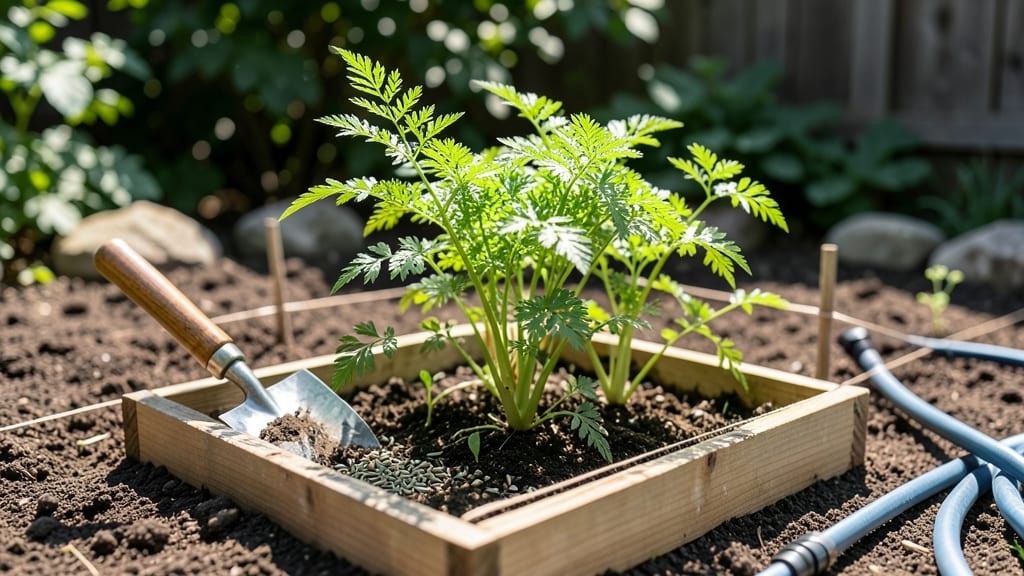
If you’ve ever planted the perfect carrots only to watch them bolt into bitter, leafy stalks instead of sweet roots, you’re not alone—especially in Northern California’s tricky climate.
The key to avoiding this frustration? Planting at the perfect times for your microclimate, whether you’re in the foggy Bay Area or the hotter Sacramento Valley.
Timing isn’t just about months—it’s about soil temperatures, frost dates, and even the time of day you water. In 8a-9b zones, like Sacramento or San Francisco, the ideal windows are March-April for spring and August-September for fall, but coastal areas play by slightly different rules.
Let me break down exactly when to start seeds for zero bolt risk and how to adjust for your specific corner of Northern California.
You’ll also discover how succession planting can stretch your harvest from June to December—no more guessing when to replant. Plus, I’ll share the one mistake most gardeners make that turns their carrots into woody, forked disappointments. Ready to grow perfect, sweet 🥕 every time? Let’s get started.
Whether you’re a first-time gardener or a seasoned pro, these microclimate-specific tips will help you beat the heat, avoid the frost, and enjoy a steady supply of homegrown carrots. No more wasted seeds or bitter surprises—just crisp, sweet roots all season long.
Northern California carrot planting calendar by microclimate zone
Northern California’s diverse climate—from the chilly coastal fog of San Francisco to the scorching inland valleys of Sacramento—demands precision when planting carrots. The wrong timing can trigger bolting (premature flowering), ruining your harvest.
I’ve broken down the ideal planting windows by zone, including soil temperature thresholds and frost risk to keep your carrots thriving.
Coastal areas like the Bay Area (USDA Zone 9a) enjoy milder winters and cooler summers, while inland valleys such as Sacramento (Zone 8a) face hotter days and colder nights.
Mountain foothills near Fresno (Zone 8b) add another layer of complexity with rapid temperature shifts. Understanding these differences is key to avoiding bolt risk and ensuring a steady harvest.
Soil temperature is your best indicator for planting. Carrots germinate best in soil that’s 50–65°F. Coastal soils warm slower due to fog, while inland areas can overheat by mid-spring. Use a soil thermometer to confirm readiness—this small tool saves hours of guesswork.
Here’s how to align your planting with your local microclimate for zero bolt risk:
| Zone | Last Frost Date | First Frost Date | Best Planting Window | Soil Temp for Germination | Notes |
|---|---|---|---|---|---|
| Coastal (San Francisco, Marin) | Early April | Late November | March 15–April 15, August 1–September 15 | 55–65°F | Fog delays warming; use row covers for spring. |
| Inland Valleys (Sacramento, Stockton) | Late February | Early November | February 20–March 30, July 15–August 15 | 50–60°F | Hot summers; plant early morning or late afternoon. |
| Mountain Foothills (Fresno, Madera) | Mid-March | Mid-October | March 1–April 10, August 10–September 10 | 50–65°F | Temperature swings; choose bolt-resistant varieties like 'Danvers'. |
For coastal gardeners, the spring window (March–April) is critical. The fog keeps soils cool longer, but planting too late risks bolt risk as days lengthen. Use shade cloth (30–50%) if temperatures climb above 75°F during summer plantings.
Inland areas like Sacramento can plant earlier (February–March) because soils warm faster. However, summer plantings must happen before July 15 to avoid the 100°F+ heat that triggers bolting. I recommend 'Nantes' varieties for their heat tolerance.
Mountain foothills have a shorter growing season, so focus on early spring (March) and late summer (August) plantings. The temperature swings here are brutal—one day 80°F, the next 50°F. Use mulch to regulate soil temps and protect young seedlings.
Pro tip: Test your soil’s pH before planting. Carrots thrive in pH 6.0–7.0. If your soil is too alkaline (common in inland areas), amend with sulfur or peat moss 4–6 weeks before planting. This small step prevents forked roots and bolting.
Remember, succession planting is your secret weapon for continuous harvests. Even in the best microclimate, a single planting won’t last all season. Plan to sow new seeds every 3–4 weeks from spring through summer.
How to extend carrot season: succession planting for continuous harvest
Northern California’s mild winters and long growing season make it possible to harvest fresh carrots year-round—but only if you plan strategically. By using succession planting, you can enjoy crisp roots from late spring through winter, avoiding the dreaded bolting that strikes in summer heat.
Start with cold-hardy varieties like 'Chantenay' or 'Danvers' for winter crops. These tolerate light frosts (down to 25°F) and even sweeten when exposed to cool temperatures. For spring harvests, plant Danvers or Nantes varieties, which mature faster in warming soil.
🌱
📅 Succession Planting Timeline for Northern California
- February-March: Plant cold-hardy varieties (e.g., 'Chantenay') for spring harvest (60-70 days). Use row covers in frost-prone areas.
- April-May: Sow short-day varieties (e.g., 'Paris Market') every 3-4 weeks for summer harvest before heat stress.
- July-August: Plant fall varieties (e.g., 'Danvers') for winter harvest; prioritize shade cloth in inland areas.
- September-October: Final succession sowing for late-winter harvest (use row covers to extend season).
💡 Pro Tip: Space sowings 10-14 days apart for a steady supply without overwhelming your garden.
For high-altitude areas (e.g., Sacramento Valley or Fresno foothills), extend the season with low tunnels or cold frames. These create a microclimate that delays frost damage by 2-4 weeks, letting you harvest into December.
In coastal regions (e.g., San Francisco Bay Area), focus on fall and winter crops—summer heat is less intense, but bolting risk still exists. Use shade cloth (30-50%) during peak afternoon sun to keep soil temps below 80°F.
Water deeply before sowing to encourage germination, then maintain consistent moisture—especially during dry spells. Mulch with straw or compost to retain soil moisture and suppress weeds, which compete for nutrients.
🌿