
Plants
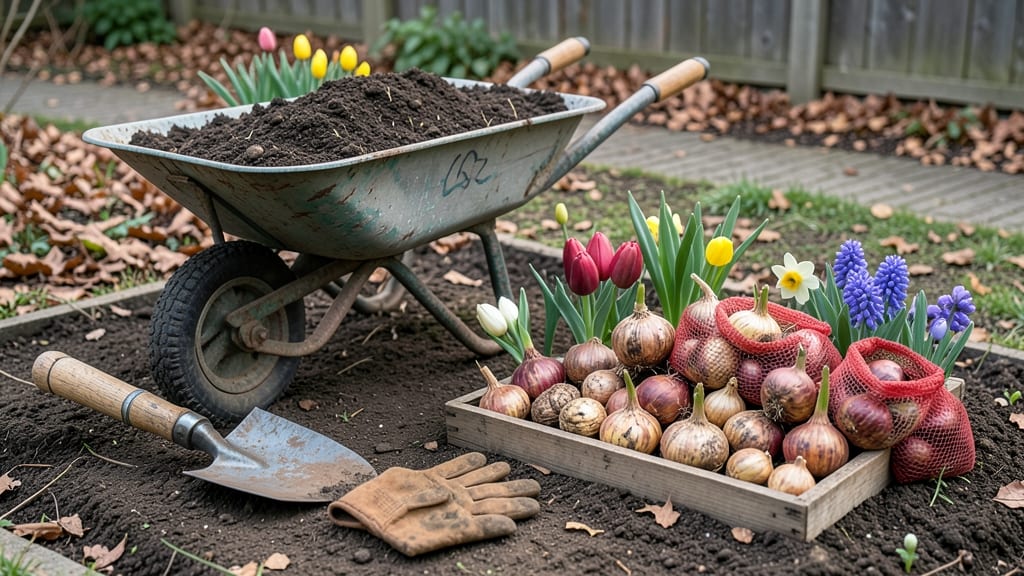
Planting your Spring Flowering Bulbs (e.g., Tulips, Daffodils, Hyacinths) 🌷 at the wrong time in the South can mean the difference between a vibrant spring display and wasted effort.
Unlike cooler climates, Southern gardeners face unique challenges like heat stress and early blooming—so getting the timing right is critical to avoiding those common pitfalls.
If you've ever wondered when do you plant bulbs in the South without risking weak growth or bolted flowers, you're not alone. The key lies in understanding your specific USDA zone (7b-10a) and adjusting your schedule accordingly.
For most varieties, fall planting between October and December gives bulbs the perfect head start, but regional differences—like Gulf Coast humidity or Texas heat—can shift that window by weeks.
What I love about Southern bulb gardening is how a few simple adjustments—like soil prep, watering schedules, and choosing heat-tolerant varieties—can transform your results.
In this guide, I'll break down the exact months for each bulb type and share my top strategies to ensure your Spring Flowering Bulbs thrive year after year, no matter where you live in the South.
Ready to skip the guesswork? Let's dive into the science-backed planting calendar that'll have your garden bursting with color come spring—without any surprises along the way.
Best planting months for Southern bulbs: avoiding heat stress and early blooming
In the South, timing is critical for bulb success—plant too early, and they may bolt from heat; too late, and they won’t establish roots before summer. Unlike northern climates, Southern gardeners must work with shorter cool seasons and longer growing periods.
The key? Plant spring-flowering bulbs in fall (when soil temps drop below 60°F) and summer/fall bulbs in early spring (before heat stress kicks in).
Most spring-blooming bulbs (like tulips and daffodils) need 6-8 weeks of chilling to trigger blooms. In USDA Zones 7-10, this means planting between mid-October and December, depending on your exact zone.
For example, in Zone 9a, aim for November planting, while Zone 7b gardeners can start as early as late September.
Summer- and fall-blooming bulbs (such as dahlias, cannas, and rain lilies) have different rules. These heat-loving varieties should go in the ground after your last frost—typically March to early April in most Southern zones. The goal is to give them time to establish roots before summer’s brutal heat sets in.
Here’s the golden rule: Plant bulbs when soil temperatures average 60°F or below for spring bloomers, or when nighttime temps stay above 50°F for summer varieties. This prevents premature sprouting and ensures strong root development.
One common mistake Southern gardeners make is planting spring bulbs too late—by January, the ground may already be warming up, causing bulbs to sprout too early and bolt in summer heat. To avoid this, use a soil thermometer to confirm temps are ideal.
For Zone 10 (like Miami or Houston), focus on November planting for spring bloomers, as December soil can still be too warm.
For summer bulbs, the rush is to get them in before April’s heat. Dahlias, for example, hate transplant shock, so start them indoors in February and move them out by mid-March.
If you’re in Zone 7b (like Atlanta or Nashville), you have a slightly longer window—plant by late March to avoid May’s scorching temps.
Pro tip: Mulch heavily after planting to insulate bulbs from temperature swings. Use 3–4 inches of straw or pine needles to keep soil cool in summer and warm in winter. This is especially critical in Zone 8–10, where heat stress can stunt bulb growth.
Finally, don’t overlook bulb variety. Some, like rain lilies (Zephyranthes) or spider lilies (Lycoris), thrive in Southern heat and can be planted as late as April. Others, like tulips, need cooler winters and may struggle in Zone 10 without artificial chilling.
By following these zone-specific timelines, you’ll maximize blooms and minimize bolt risk, ensuring your Southern garden bursts with color—without the stress of last-minute planting! 🌷
How to adjust planting times by Southern region (Zone 7 vs. Zone 10)
The South isn’t one-size-fits-all when it comes to bulb planting! USDA Zone 7 (e.g., Atlanta, Birmingham) and Zone 10 (e.g., Miami, Houston) have wildly different frost-free windows.
In Zone 7, you’ll plant October–December to avoid winter freezes, while Zone 10 gardeners can stretch planting into January–February thanks to milder winters. Coastal areas like Florida’s Gulf Coast even allow year-round planting for heat-tolerant bulbs like rain lilies.
Microclimates matter too. Desert regions (e.g., West Texas) need early fall planting to beat summer heat, while humid coastal zones (e.g., Savannah) can plant later due to slower soil cooling. Always check your last frost date—planting too late risks early blooming or weak roots before winter dormancy.
Here’s how to tweak timing by region:
| Region | USDA Zone | Ideal Planting Window | Key Adjustment |
|---|---|---|---|
| Deep South (Atlanta, New Orleans) | 7b–8a | October 15–December 15 | Plant by Dec 1 for tulips; mulch heavily to protect from light freezes. |
| Gulf Coast (Houston, Tampa) | 8b–9a | November 1–January 15 | Extend to January for daffodils; use shade cloth in summer. |
| Southwest (El Paso, Phoenix) | 9a–10a | September–December | Plant early to avoid 100°F+ soil; water deeply post-planting. |
| Florida Keys (Zone 11) | 11 | Year-round (best: Oct–Feb) | Choose heat-resistant bulbs like spider lilies; shade in summer. |
For Zone 7, prioritize October–November planting to ensure bulbs establish roots before winter. In Zone 10, you can plant later but must water consistently to prevent heat stress. Pro tip: Use a soil thermometer—ideal planting temps are 60–70°F.
Coastal areas with high humidity (e.g., Charleston) may need fungicide-treated soil to prevent rot, while desert zones (e.g., Lubbock) benefit from organic mulch to retain moisture. Always amend soil with compost for drainage—Southern clay can suffocate bulbs!
Adjust for microclimates: Shady spots under trees can plant 2–4 weeks later than sunny beds. And if you miss the window? Try container planting—pots let you move bulbs to shade during summer heat.