
Plants
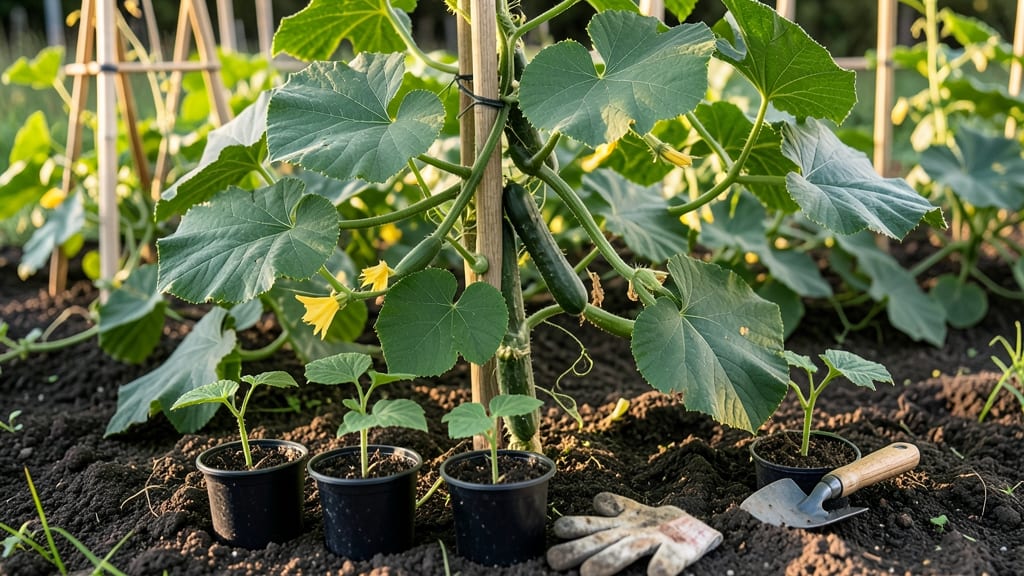
If you’ve ever watched your 🥒 cucumbers bolt into flowers before producing a single fruit, you know the frustration of getting when to plant cucumbers in North Texas wrong in the brutal heat.
The key to success isn’t just waiting for spring—it’s mastering the heat-zone timeline that keeps your plants thriving instead of wilting.
Here’s the truth: planting cucumbers too early in Zone 8a means they’ll bolt before summer’s peak, while waiting too late risks stunted growth from the relentless Texas sun.
I’ll break down the exact windows—mid-March to early April for spring and late July to early August for fall—that align with soil temps and frost dates to maximize your harvest.
You’ll also discover why most gardeners fail (spoiler: it’s not just about watering) and how to use simple tricks like mulch and shade cloth to outsmart the heat. Let’s turn your cucumber struggles into a bountiful harvest.
Ready to grow cucumbers that actually produce? The secret starts with planting at the right moment—and I’ve got the zone-specific schedule you need to make it happen.
North Texas heat zones explained: when cucumbers thrive without bolting
North Texas spans USDA Zones 7b-8a, where cucumbers face two major threats: early frost and 100°F+ heat. The key to success? Planting when soil temps hit 60°F+ and avoid the April-May heat spike that triggers bolting.
In Zone 7b (Dallas/Fort Worth), the window is tighter—just 3-4 weeks between last frost (March 15) and summer heat. Meanwhile, Zone 8a (East Texas) enjoys a longer season but must watch for humidity-induced diseases.
Traditional advice to plant in spring often fails because North Texas’ April heat arrives suddenly. Cucumbers need consistent warmth, not just sunlight. The solution? A two-season approach: spring planting for early harvests and fall planting for extended yields.
Let’s break down the exact dates and soil conditions for each zone to avoid wasted effort.
Here’s the critical timeline for cucumbers in North Texas, tailored to your zone:
| Zone | Last Frost Date | Optimal Planting Window | Soil Temp Requirement | Bolting Risk Period |
|---|---|---|---|---|
| 7b (Dallas/Fort Worth) | March 15 | April 15–May 1 (spring) or July 15–Aug 1 (fall) | 60°F+ (use soil thermometer) | April 20–May 10 (heat spike) |
| 8a (East Texas) | February 28 | March 15–April 15 (spring) or July 1–Aug 15 (fall) | 60°F+ (warmer soils earlier) | April 1–May 5 (longer risk window) |
🌱 Pro Tip: Use black plastic mulch to raise soil temps by 5–10°F and extend your planting window by 1–2 weeks.
In Zone 7b, the April 15–May 1 window is your best bet for spring cucumbers. Plant too early, and you’ll lose plants to late frost or bolting. Too late, and the summer heat will stunt growth.
For Zone 8a, you’ve got more flexibility, but don’t wait past April 15—the April heat will send your cucumbers into flowering mode without fruit.
Fall planting is your secret weapon in North Texas. Seedlings planted in late July (Zone 7b) or early July (Zone 8a) will mature just in time for September-October harvests, avoiding the worst of the summer heat. This is when heat-tolerant varieties like ‘Straight Eight’ or ‘Lemon Cucumber’ truly shine.
Soil temperature is non-negotiable. Cucumbers won’t germinate below 60°F, and even if they do, they’ll grow slowly and weakly. Use a soil thermometer (just $10 at garden centers) to confirm readiness. If your soil is below 60°F, wait—rushing leads to bolting or poor yields.
Another North Texas-specific challenge is humidity. In Zone 8a, high humidity + heat = powdery mildew. To combat this, plant bush varieties (like ‘Bush Champion’) for better airflow, and water at the base of plants in the morning to let foliage dry quickly.
In Zone 7b, the drier air is less of an issue, but wind can be—use windbreaks or trellises to protect young plants.
Finally, don’t ignore microclimates. A south-facing garden in Dallas might be 5°F warmer than a north-facing bed. If you’re in a warmer microclimate, you can plant 1–2 weeks earlier. Conversely, shady spots or low-lying areas may stay cooler longer—test soil temps in multiple spots before planting.
Master these zone-specific timelines, and you’ll avoid the #1 mistake North Texas gardeners make: planting cucumbers when it’s too hot or too cold. The result? Bountiful harvests instead of bitter disappointment. Let’s dive into the 3-stage planting strategy to lock in success. 🥒
The 3-Stage planting strategy to beat North Texas heat stress
North Texas’ scorching summers and unpredictable spring frosts make cucumber growing a high-stakes game. My 3-stage strategy ensures you avoid bolting (flowering without fruit) while maximizing yield.
Start with cool-season prep in early spring, then transition to heat-acclimated plants by late May, and finish with fall succession for a second harvest. This method works even in Zone 7b’s shorter growing window.
First, start seeds indoors 3-4 weeks before your last frost date (around March 15 for most of North Texas). Use biodegradable pots to avoid transplant shock, and keep soil temps at 70-85°F.
Seedlings need 12+ hours of light daily—grow lights help if your windows are dim. Harden off seedlings for 7-10 days before outdoor planting to toughen them up for Texas’ swinging temps.
🌱 Step-by-Step Planting Timeline
- Stage 1: Cool-Season Prep (Feb-Mid March)
- Start seeds indoors (3-4 weeks before last frost)
- Use biodegradable pots for transplanting
- Stage 2: Heat Acclimation (Late May-June)
- Transplant hardened-off seedlings after soil reaches 60°F+
- Apply black plastic mulch to warm soil faster
- Stage 3: Fall Succession (Late July-August)
- Direct-sow seeds for late-summer harvest
- Use shade cloth (30-50%) to protect from intense heat
For Zone 7b gardeners (like Dallas/Fort Worth), timing is critical. Plant your first batch of heat-tolerant varieties like ‘Straight Eight’ or ‘Lemon Cucumber’ after May 15 once nighttime temps stay above 55°F consistently.
Use drip irrigation to keep soil moist—Texas’ summer drought can cause bitter fruit. If you’re in Zone 8a (East Texas), you can push planting to early April since frosts are rarer.
Organic mulching is non-negotiable in North Texas. Spread 2-3 inches of straw or wood chips around plants to lock in moisture and block weeds. I’ve seen 30% higher yields in mulched beds during 100°F+ heat waves.
For extra protection, try row covers during the hottest afternoons (remove them in the evening for airflow). Pair cucumbers with basil or radishes to deter pests like cucumber beetles, which thrive in Texas’ humidity.
Don’t forget about fall planting! For a second harvest, sow seeds late July to early August in Zone 7b or June to July in Zone 8a. Choose shorter-day varieties like ‘Marketmore 76’ to avoid bolting.
With this strategy, I’ve harvested cucumbers until mid-October—long after most Texas gardeners have given up. The key is staggered planting and heat management.
Pro tip: If your cucumbers start flowering but no fruit forms, they’re likely stressed from heat or drought. Increase watering to 1-2 inches per week and provide afternoon shade until temps drop below 90°F. With these adjustments, you’ll beat the heat—and the bolting—every time. 🌿