
Planting
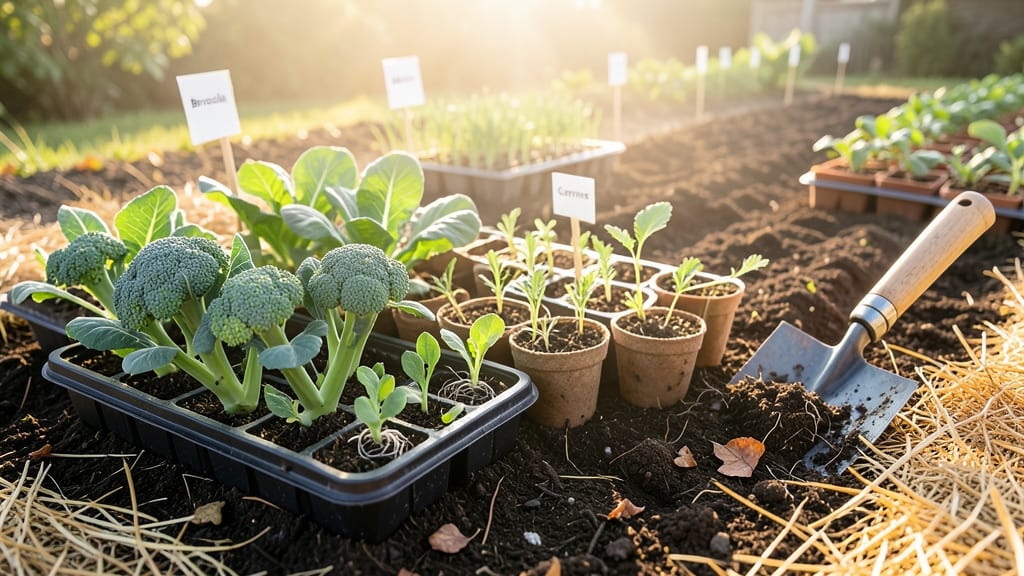
When to plant a fall garden in North Texas can mean the difference between a bountiful harvest and wasted seeds—because one wrong move, and your kale bolts or your carrots rot before you even taste them. The key isn’t just knowing what to plant, but when to put those seeds in the ground to beat the first frost and stretch your growing season as long as possible.
With North Texas’ 7b-8a climate, you’ve got a narrow window—just 6-8 weeks before that first frost hits in mid-November—to get your 🌽🥕🍠 crops established. Miss the mark, and you’re left with sad, stunted plants or a garden that freezes overnight.
But here’s the good news: by following county-specific deadlines (yes, Dallas and Tarrant have slightly different rules), you can avoid those mistakes and enjoy fresh greens, root veggies, and even late-season tomatoes well into December.
I’ll break down the exact planting timeline for your area, including which crops thrive best in North Texas’ fall and how to extend your season with simple tricks—like row covers or succession planting.
No more guessing games, just a foolproof plan to turn your backyard into a productive harvest hub before winter sets in.
Ready to grow a garden that actually pays off? Let’s dive into the county-by-county deadlines and strategies that’ll keep your fall veggies thriving—no bolt risk, no frost casualties, just a steady supply of homegrown goodness.
North Texas county-specific planting deadlines to avoid bolt risk
Timing your fall garden in North Texas hinges on understanding your county's first frost date and adjusting planting windows accordingly. The average first frost in most North Texas counties falls between November 15-20, but urban areas like Dallas may experience frost 1-2 weeks earlier than rural areas.
To avoid bolt risk (when plants prematurely flower and go to seed), plan to sow cool-season crops 6-8 weeks before your expected frost date.
For example, if your county’s average frost date is November 15, aim to plant leafy greens by late September and root vegetables by early October.
Missing these deadlines risks stunted growth or frost damage before harvest. Let’s break down the county-specific deadlines to help you time your planting perfectly.
| County | Avg. First Frost | Last Planting Date (Leafy Greens) | Last Planting Date (Root Veggies) | Notes |
|---|---|---|---|---|
| Dallas | November 15 | September 25 | October 10 | Urban heat islands delay frost slightly; monitor local forecasts. |
| Tarrant | November 18 | October 1 | October 15 | Slightly later frost than Dallas; ideal for succession planting. |
| Collin | November 20 | October 5 | October 20 | Rural areas may have 2-3 days later frost; extend planting window. |
| Denton | November 17 | September 28 | October 12 | Soil stays warmer longer; prioritize fast-maturing varieties. |
| Johnson | November 22 | October 8 | October 25 | Higher elevation; hardier crops thrive here. |
In Dallas County, where the average first frost hits November 15, your last chance to plant leafy greens like spinach or kale is September 25. For root vegetables such as carrots or beets, you can push it to October 10.
Use these deadlines as your planting cutoff, but always check the 10-day forecast—early cold snaps can shift your timeline.
If you’re in rural areas like Johnson or Collin County, you’ve got a slightly longer window—up to October 25 for root crops—thanks to cooler microclimates. However, urban heat islands in Dallas or Fort Worth can delay frost by a week, so don’t assume you have extra time.
Always adjust for elevation and local topography, as valleys may frost earlier than hilltops.
Pro tip: Succession plant every 2 weeks after your initial sowing to ensure a continuous harvest. For example, plant a batch of lettuce on September 1, another on September 15, and a final one on October 1 to stretch your harvest until December.
This strategy maximizes your garden’s potential without risking bolt or frost damage.
For hardy crops like kale, collards, or broccoli, you can even plant late October in most counties—they’ll survive light frosts and often taste sweeter after a frost. But for tender greens like spinach or arugula, stick to the earlier deadlines to avoid bitter flavors or bolting.
Remember, soil temperature matters just as much as air temperature. Cool-season crops thrive when soil temps drop below 80°F. Use a soil thermometer to confirm readiness—planting too early in hot soil can stress seedlings. Aim for 70-75°F soil temps for ideal germination.
Finally, keep an eye on local weather patterns. North Texas has seen earlier frosts in recent years due to climate shifts. Bookmark the National Weather Service’s North Texas forecast and set up frost alerts on your phone to stay ahead of the game.
With these county-specific deadlines, you’ll avoid the two biggest fall gardening mistakes: bolting and frost loss.
How to extend your North Texas fall garden season without risking frost damage
North Texas’ first frost usually arrives around mid-November, but that doesn’t mean your garden has to end there. With the right strategies, you can push your harvest window by 2-4 weeks, giving you more time to enjoy fresh kale, carrots, and even late-season tomatoes.
The key is protecting your plants from sudden cold snaps while still letting them thrive in cooler temperatures.
One of my favorite tricks is using row covers, which act like a lightweight blanket for your plants. These breathable fabrics trap heat during the day and protect against light frosts at night.
For extra hardiness, pair them with cold frames—essentially mini greenhouses—to create a microclimate that keeps soil temperatures warm enough for growth. Even a simple black plastic mulch can absorb sunlight and radiate heat back to the roots, delaying frost damage by up to 10-14 days.
🌱 Did You Know? Some plants, like spinach and radishes, actually sweeten when exposed to cooler temperatures, making them even tastier in fall! But don’t let that fool you into thinking they’re frost-proof. A hard freeze can still ruin your harvest, so timing is everything.
💡 Pro Tip: Extend Your Season Like a Pro
- Use row covers to protect delicate crops like lettuce and broccoli from light frosts (down to 25°F).
- Plant cold-hardy varieties like kale, collards, and carrots—they’ll survive 20°F with minimal protection.
- Water plants deeply before the first hard freeze to help them absorb moisture and withstand cold better.
- Avoid over-fertilizing in late fall; focus on compost to improve soil structure instead.
🌡️ Test your plants’ readiness: If leaves are still dark green and firm, they’re likely frost-tolerant. Yellow or wilted leaves mean it’s time to harvest or protect them!
If you’re growing warm-season crops like tomatoes or peppers into fall, give them a head start by planting them in early August. These plants need time to mature before temperatures drop, so don’t wait until September to sow them.
For cool-season crops, succession planting is your best friend—sow a new batch every 2-3 weeks from late July through early September to ensure a steady harvest.
Another game-changer is soil warming. Before planting, lay down black plastic mulch or use a soil warming mat to raise ground temperatures by 5-10°F. This gives seeds a better chance to germinate quickly, especially in North Texas’ unpredictable fall weather. Just
Finally, keep an eye on the weather forecast and have a backup plan. If a hard freeze is predicted, rush to harvest sensitive crops like basil or cucumbers, or move potted plants to a sheltered spot. With these strategies, you can extend your fall garden well into December, giving you time to enjoy homegrown goodness before winter sets in for good.