
Plants
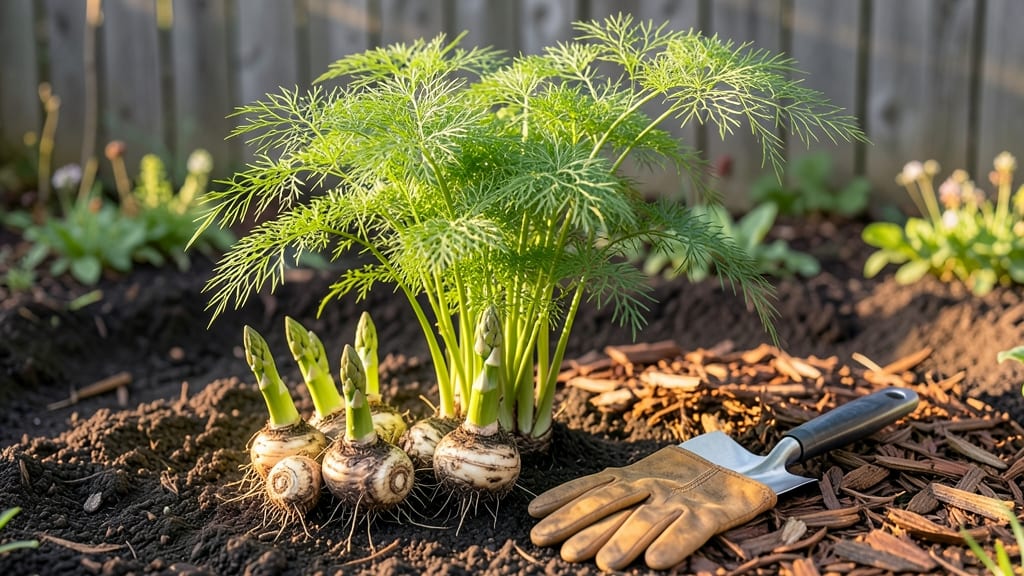
Timing your asparagus planting in North Texas isn’t just about the calendar—it’s about avoiding frost’s cruel twist and beating the summer heat that can stifle young plants. Miss the window, and you’ll either watch your crowns freeze or struggle with weak growth before the real growing season kicks in.
For gardeners in USDA Zone 8a, the sweet spot is late February to early March, when soil temperatures creep above 50°F—just warm enough to encourage root growth without inviting pests.
This isn’t just guesswork; it’s about working with North Texas’s unique climate, where a late frost can still sneak in even after the official last frost date of March 15.
Why does this matter? Because asparagus is a patient plant—it takes 3 years to produce spears, and planting at the right time ensures your crowns establish strong roots before summer’s heat settles in.
I’ll show you how to calculate your exact window, adjust for microclimates, and choose varieties that thrive in our heat.
Whether you’re a first-time gardener or a seasoned pro, getting this right means decades of harvests instead of wasted effort. Let’s dive into the exact steps to set your asparagus up for success—starting with soil prep and ending with your first spear in spring.
North Texas asparagus planting calendar: exact weeks before last frost for zone 8a/8b
North Texas gardeners face a unique challenge with asparagus: our hot summers and variable winters demand precise timing. The ideal window is 6-8 weeks before your average last frost date—typically late February to early March for most of North Texas (Zones 8a/8b).
This gives crowns time to establish roots before summer heat arrives.
For DFW and East Texas (8b), aim for February 15-March 1. In West Texas (8a), push planting to March 1-15 to avoid late spring freezes. Always check your local USDA frost calendar—even a few degrees difference can mean the difference between thriving crowns and frost-killed starts.
Asparagus crowns need soil temperatures above 50°F to sprout. Use a soil thermometer to confirm—planting too early in cold soil leads to rot. In North Texas, this usually aligns with mid-February, but urban areas (like Dallas) may need to wait 1-2 weeks longer due to heat island effects.
Pro tip: If you miss the spring window, avoid fall planting entirely. Asparagus crowns planted in autumn rarely survive our freeze-thaw cycles and summer heat. Instead, wait for next spring—patience pays off with 10+ years of harvests.
🌱 North Texas Asparagus Planting Timeline
| Stage | Action | North Texas Window |
|---|---|---|
| Soil Prep | Test pH (6.5-7.0), amend soil | January-February |
| Plant Crowns | 6-8" deep, 12-18" apart | Late Feb-Early March |
| First Spears | Harvest when 6-8" tall | Year 3: March-May |
| Peak Growth | Full foliage, mulch heavily | April-June |
| Winter Care | Reduce water, no harvest | November-February |
⏰ Key: Adjust 1-2 weeks for urban/rural microclimates
Microclimates matter in North Texas. Urban areas (like Fort Worth) often have earlier last frosts due to concrete heat retention, while rural zones (like Hill Country) may experience later frosts.
Use the Texas A&M AgriLife Extension frost maps to pinpoint your exact zone—even a 5-mile difference can shift your planting window by a week.
For seed-started asparagus (less common but possible), begin indoors 8-10 weeks before last frost (typically December-January). Transplant seedlings outdoors after soil warms to 60°F, but expect slower establishment than crowns. Most North Texas gardeners prefer 1-year-old crowns for their proven reliability.
Watch for false springs—those warm spells in February that trick you into planting early. If nighttime temps dip below 32°F, your asparagus crowns will suffer.
Use frost blankets for the first 2 weeks post-planting if late frosts threaten. A little extra protection ensures your perennial investment pays off for years.
Remember: Year 1 and 2 are all about root establishment—no harvesting! Resist the urge to pick spears early. By Year 3, your patience will reward you with 3-6 weeks of fresh harvests each spring. That’s the magic of perennial asparagus in North Texas.
🌱 For exact local frost dates, bookmark the Texas A&M AgriLife Extension frost calculator—it’s your best tool for precision planting in the Lone Star State.
How to prepare North Texas soil for asparagus: pH, amendments, and drainage secrets
North Texas soil is famously heavy clay with a high pH—often between 7.5 and 8.5, which is far too alkaline for asparagus. This perennial crop thrives in slightly acidic soil (6.5–7.0), so adjusting your soil isn’t optional; it’s the foundation of success.
Without the right prep, your crowns will struggle to establish roots, leading to stunted growth or even death. The good news? With a few targeted amendments, you can transform your Texas clay into the perfect asparagus bed.
Start by testing your soil’s pH and texture at least 4–6 weeks before planting. Use a home test kit or send a sample to the Texas A&M AgriLife Extension Service for professional analysis. This isn’t just about pH—you’ll also need to break up that dense clay to improve drainage.
Asparagus roots need air and water to move freely, and compacted soil will suffocate them. I’ve found that adding organic matter like compost or well-rotted manure is the easiest way to loosen the soil while feeding your plants long-term.
Too much organic matter can raise pH further if not balanced. Use elemental sulfur (1–2 lbs per 100 sq ft) to lower pH gradually, or mix in peat moss (sparingly) for acidity. Never use fresh manure—it burns roots and attracts pests. Test soil again after amending!
For drainage, aim to create a raised bed or mounded row if your yard sits in a low spot where water pools. Asparagus hates soggy roots, and Texas clay holds moisture like a sponge.
Mix in coarse sand or perlite (20–30% by volume) to create air pockets, but avoid river sand—it compacts over time. I recommend a 12-inch-deep planting trench filled with a 50/50 mix of native soil and compost. This gives roots room to spread while keeping them elevated.
Don’t forget phosphorus and potassium—critical for root development. Work in a balanced fertilizer (5-10-10) or bone meal at planting time, but hold off on nitrogen until the second year.
Too much early nitrogen encourages foliage over roots, and your asparagus needs a strong root system to survive North Texas summers. A light top-dressing of compost in early spring (after the last frost) will keep nutrients available without overfeeding.
Finally, mulch heavily with straw or wood chips (2–3 inches) to retain moisture and suppress weeds. Asparagus is a low-maintenance perennial, but it hates competition. Mulch also protects crowns from temperature swings—critical in North Texas, where nights can still dip below freezing in early spring.
I’ve seen gardeners in DFW extend their harvest season by 2–3 weeks just by keeping soil temps stable with mulch.
Once your soil is prepped, it’s time to plant! But remember: asparagus is a 10+ year investment. Skimping on soil prep now means struggling with weak plants later.
Take the time to get it right, and you’ll be rewarded with decades of harvests—far beyond what most annual veggies can offer. 🌱