
Plants
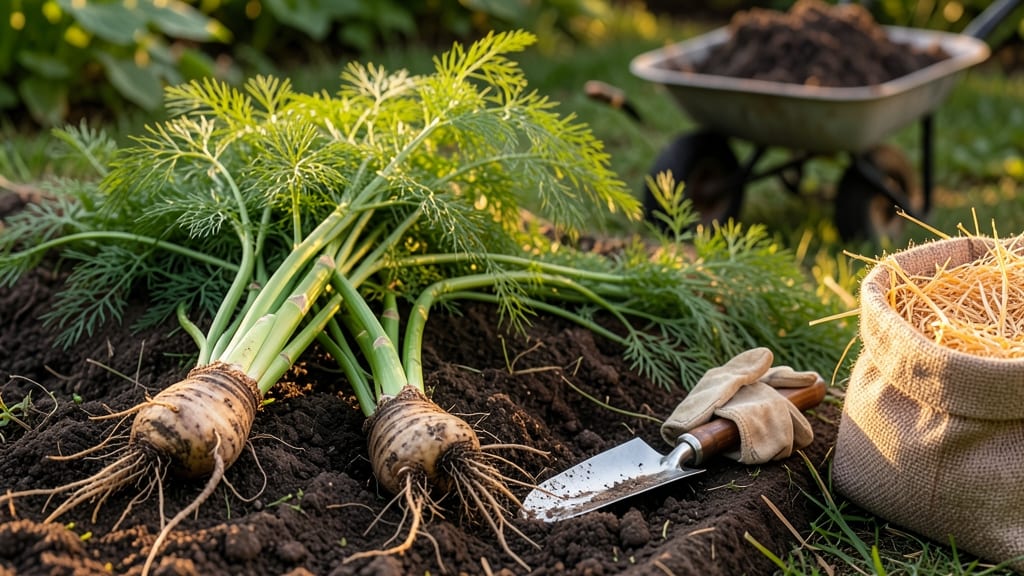
Timing your asparagus planting in Maine wrong could mean losing your entire crop to frost or waiting years for harvest. With USDA zones 5b-6a and unpredictable spring weather, getting it right is everything.
The key is planting crowns early spring (March-April) when soil reaches 50°F, but before the last frost hits around mid-May. This 6-8 week window gives your 🌱 asparagus time to establish roots before summer heat arrives.
I’ll show you exactly how to read Maine’s frost patterns, choose the right varieties for your microclimate, and avoid common mistakes that waste years of growth. Whether you’re a first-time gardener or a seasoned grower, these tips will help you maximize your harvest.
From coastal Portland to inland Bangor, your planting strategy should adapt to local conditions. Let’s break down the exact steps to get your asparagus off to the strongest possible start—because patience now means bigger rewards in June-July when those first spears emerge.
Maine asparagus planting timeline: frost dates by variety for maximum yield
Maine’s cool climate and short growing season make timing everything when planting asparagus crowns. The key is planting after the last frost but before the soil warms too much—typically mid-April to early May for most varieties.
However, cold-hardy types like Jersey Knight can handle earlier planting, while semi-hardy varieties like Purple Passion need warmer soil.
In Maine’s USDA Zones 4-6, the last spring frost usually hits around May 10-20, but coastal areas like Portland or Bar Harbor may see frost until May 25.
Inland areas like Auburn or Presque Isle can plant 1-2 weeks earlier since they warm faster. Always check your local frost dates—they’re your planting deadline.
Soil temperature is just as critical as air temperature. Asparagus crowns won’t thrive until the soil reaches at least 50°F (10°C). Use a soil thermometer to confirm—planting too early in cold soil causes root rot or stunted growth.
In northern Maine (Zone 4), wait until late May for cold-sensitive varieties.
Here’s the frost-free window breakdown for Maine’s most popular asparagus varieties, including when to expect your first harvest:
| Variety | Cold Hardiness | Planting Window (Maine) | First Harvest Year | Notes |
|---|---|---|---|---|
| Jersey Knight | Cold-hardy | Mid-April to early May | 3rd year (June) | Tolerates 30°F soil; best for Zone 4. |
| Mary Washington | Cold-hardy | Late April to early May | 3rd year (late May) | Classic green spear variety; needs full sun. |
| Purple Passion | td style="padding: 10px; border-bottom: 1px solid #ddd;">Semi-hardyEarly to mid-May | 3rd year (June) | Stunning purple spears; needs warmer soil. | |
| Pacific | Semi-hardy | Mid-May | 3rd year (late June) | Drought-tolerant; great for dry Maine summers. |
Notice how Jersey Knight and Mary Washington can be planted 2-3 weeks earlier than Purple Passion or Pacific? That’s because they’re bred to handle Maine’s cool springs. If you’re in Zone 5 or 6, aim for early May planting to avoid late frosts.
Pro tip: Fall planting is possible in Maine if you use 1-year-old crowns and cover them with straw mulch (6+ inches thick). Plant in early September so roots establish before winter, then harvest 1 year earlier than spring-planted beds. This trick works best in southern Maine (Zones 5b-6a).
Your first harvest won’t come until the 3rd year, but getting the timing right now means bigger spears and longer harvest windows (June through July) in future years.
Skimp on the prep, and you’ll struggle with weak crowns or frost-damaged shoots—neither of which tastes as sweet as a properly timed asparagus patch.
🌱
5 Critical factors that shift your Maine asparagus planting window (and how to adjust)
Maine’s microclimates can shift your asparagus planting window by weeks—coastal areas like Portland average 10°F warmer springs than inland Bangor. This means your Jersey Knight crowns might go in mid-March near the coast but need to wait until late March inland.
Always check your local frost data from the National Weather Service.
Soil temperature, not air temperature, determines readiness. Use a soil thermometer to confirm 50°F+ at 6-inch depth. Cold soil delays root growth, so black plastic mulch can warm soil by 5-10°F faster than bare ground. I’ve seen gardeners in Zone 5b plant 2 weeks earlier with this trick.
🔍 Critical Factors That Shift Your Planting Window
- 🌡️ Microclimate: Coastal areas plant 2 weeks earlier than inland zones.
- 🌡️ Soil temp: Wait for 50°F+ at 6"—use black plastic to speed warming.
- ❄️ Frost risk: Late-spring frosts delay planting until after May 15 in high-risk areas.
- 🌱 Crown size: Larger crowns (20+ buds) establish faster—plant them 1 week earlier.
- 🌧️ Rainfall: Wet springs? Delay planting until soil drains—asparagus hates soggy roots.
Late-spring frosts are Maine’s biggest planting nemesis. If your area has a 50%+ chance of frost after April 15, push planting to May 1-15—even if it means a smaller first-year harvest.
I once lost a Mary Washington patch in Zone 5a because I planted in early April—frost killed the shoots, and I had to start over.
Your crown’s size also matters. A 20-bud crown (like Jersey Knight) establishes faster than a 10-bud one, so you can plant it 1 week earlier. Smaller crowns need that extra time to root before summer heat arrives.
Pro tip: Soak crowns in lukewarm water for 2 hours before planting to jumpstart root growth.
Finally, rainfall patterns can derail your plans. If your April showers turn into May floods, delay planting until the soil drains. Asparagus roots rot in waterlogged conditions, so prioritize well-draining soil with sandy loam or raised beds. Amend clay soil with compost and perlite to improve drainage.
By adjusting for these 5 factors, you’ll land on the perfect Maine planting window—whether that’s mid-March in Zone 6a or late April in Zone 5b.
The key is flexibility: monitor your soil, watch the forecast, and don’t rush. Your asparagus patch will thank you with bigger spears in Year 3.