
Plants
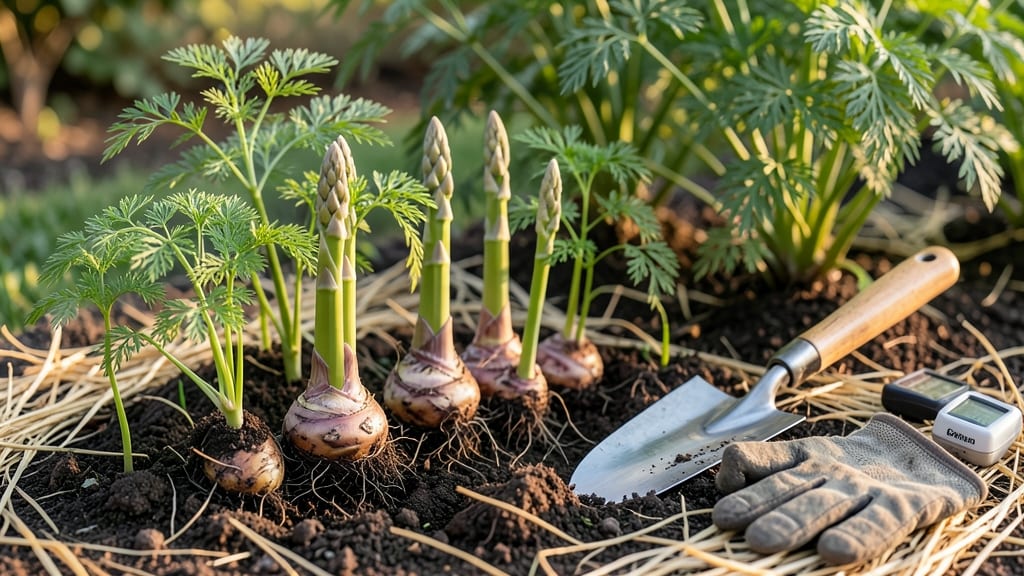
Timing your asparagus planting in Nebraska could mean the difference between a thriving garden and wasted effort. The 5a-6b climate demands precision—plant too early, and cold soil stunts growth; too late, and you risk bolting before harvest.
But here's the good news: with the right window, you'll unlock years of zero-bolt success.
Most Nebraska gardeners swear by early spring planting, but fall options exist too—if you know the secrets. We're talking March to April for crowns, when soil temperatures hit 50°F consistently.
This isn't just theory; it's what Nebraska Extension recommends for maximum yield. Let me show you exactly how to nail those frost-free deadlines.
Why does this matter? Because asparagus is a patient plant—it won't reward you for rushing. First-year growth focuses on roots, but years two and three?
That's when you'll harvest April through June, spears reaching 6-8 inches tall. Get the timing right now, and you'll enjoy fresh harvests for decades.
Ready to avoid the common mistakes? I'll walk you through Nebraska-specific soil prep, frost date tracking, and even when to skip fall planting entirely. Your perfect asparagus patch starts with these science-backed steps—let's get growing.
Best planting months for asparagus in Nebraska (avoid bolting)
Asparagus thrives in Nebraska’s USDA Zones 5a-6b, but timing is critical to prevent bolting (premature flowering) or stunted growth. Planting too early in cold soils or too late in warming temperatures both spell disaster for your perennial harvest.
The best window aligns with soil temperatures above 50°F and 4-6 weeks before your last frost date.
For Nebraska, this typically means late March through mid-April for most regions. However, fall planting (September) is also viable if you’re using 1-year-old crowns—just ensure the ground thaws and warms properly before spring growth begins.
Avoid planting in frozen or waterlogged soil, as asparagus roots are sensitive to both extremes.
Here’s the key: Nebraska’s average last frost date falls around April 15, but microclimates vary. Omaha and western Nebraska may see frost as late as May 1, while Lincoln and eastern areas can plant 2 weeks earlier.
Always check local frost records from the Nebraska State Climate Office to fine-tune your schedule.
| Planting Window | Soil Temp Requirement | Nebraska Months | Risk if Missed |
|---|---|---|---|
| Spring (Crowns) | 50°F+ | Late March–Mid-April | Bolting, poor root establishment |
| Fall (Crowns) | 45°F+ | September (6+ weeks before frost) | Frost damage to new roots |
| Seeds (Spring) | 60°F+ | May (after last frost) | Slow germination, weak plants |
Spring planting is the gold standard for Nebraska gardeners because it allows roots to establish before summer heat arrives. Fall planting is riskier but can work if you use hardy varieties like 'Mary Washington' and protect crowns with 6 inches of mulch over winter.
Never plant seeds in fall—they won’t survive Nebraska’s winters.
Pro tip: Use a soil thermometer to confirm temperatures before planting. Asparagus crowns planted in cold soil below 50°F can rot, while soil above 70°F may cause bolting. Aim for that 50–65°F sweet spot for optimal root growth.
Nebraska’s clay-heavy soils also play a role. If your soil drains poorly, plant in raised beds or amend with compost and sand to improve aeration. Poor drainage is a top reason asparagus fails in our state—don’t skip this step!
For container growing, plant crowns in large pots (18"+ deep) and use a fast-draining mix. Containers warm up faster than ground soil, so adjust your planting window 1–2 weeks earlier to avoid overheating.
Remember: Asparagus is a perennial investment. A well-timed planting now means harvests for 15+ years. Follow these windows, and you’ll be spearing asparagus by year 3—not year 5 or later.
🌱
Best planting months for asparagus in Nebraska (avoid bolting)
Nebraska's 5a-6b climate creates a narrow window for planting asparagus crowns—typically March through April. This timing ensures soil temperatures stay above 50°F, preventing stunted growth or bolting. Most gardeners in Omaha and Lincoln swear by early spring planting, but fall options exist if you act quickly.
The key is avoiding cold soil, which delays root establishment. Nebraska Extension data shows April 15 as the average last frost date, so aim to plant 4-6 weeks before this benchmark.
For example, in Zone 5a, that means mid-March planting, while Zone 6b gardeners can wait until late March.
Here’s the critical rule: Never plant when soil temps drop below 50°F. A soil thermometer is your best friend here—wait until readings stay consistently warm for 3-5 days. Cold soil slows root growth, and asparagus needs 6-8 weeks to establish before summer heat arrives.
🌱 Asparagus Planting Summary for Nebraska
| Planting Window | Soil Temp Requirement | USDA Zone | Notes |
|---|---|---|---|
| Early Spring (March-April) | 50°F+ consistently | 5a-6b | Best for crowns; avoid bolting |
| Fall (Late August-Sept) | 60°F+ (6 weeks before frost) | 5a-6b | Risky; only for experienced gardeners |
| Never | Below 50°F | All zones | Stunts growth; causes bolting |
Fall planting is possible but high-risk in Nebraska. If you choose this route, plant 6 weeks before your first frost (typically late August to early September).
The goal is to let roots establish before winter dormancy. However, Nebraska’s unpredictable October frosts often make this a gamble—stick to spring unless you’re confident.
Pro tip: Buy 1-year-old crowns, not seeds. Crowns mature faster and give you harvestable spears in 2-3 years, while seeds take 3+ years. Look for Mary Washington or Jersey Knight varieties—they thrive in Nebraska’s heat and handle clay-heavy soils better than others.
Remember, asparagus is a perennial investment. Once planted, it can produce for 15+ years if you nail the timing now. Skip the guesswork: wait for warm soil, plant crowns 6-8 inches deep, and you’ll avoid the biggest mistakes Nebraska gardeners make.