
Plants
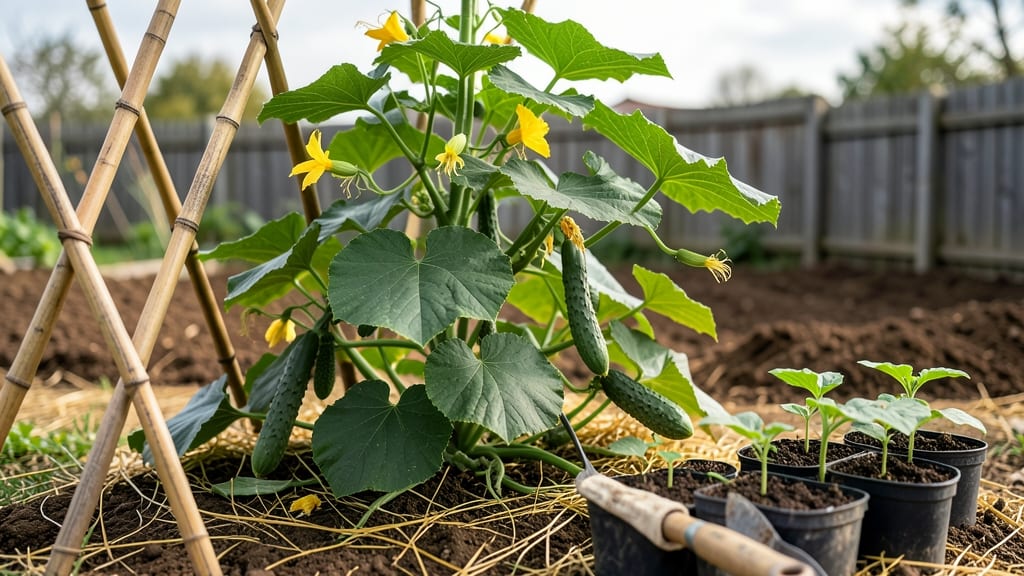
Timing your cucumber 🥒 planting in North Florida isn't just about dates—it's about soil temperature, and getting it wrong can mean bitter disappointment instead of crisp, homegrown harvests.
The key to avoiding bolting (those unwanted flowers that turn your plants into seed producers) lies in waiting until the ground warms to at least 60°F, a threshold most gardeners miss when rushing to beat the summer heat.
I've learned the hard way that North Florida's 8a-9b climate demands patience—planting too early in spring risks frost damage, while summer heat can push cucumbers into bolting mode faster than you can say "pickle season."
The sweet spot? Mid-February to early April for spring plantings, with a second chance in late July to early August for summer harvests that stretch into October.
What makes this tricky is Florida's microclimates—your neighbor's perfect timing might not work for your yard.
That's why I'm breaking down the exact soil temperature triggers and planting strategies that actually work here, so you can skip the guesswork and start harvesting crisp cucumbers in May and September instead of watching your plants bolt.
Whether you're a first-time gardener or a seasoned grower, these insights will help you time your plantings perfectly—no more wasted seeds or frustrated waiting. Let's get those cucumbers growing the right way.
North Florida cucumber planting timeline by soil temperature zones
Planting cucumbers in North Florida isn’t just about avoiding frost—it’s about soil temperature and heat tolerance. Since we’re in USDA zones 8a-9b, our growing season splits into two distinct windows: spring and summer. Each requires a different strategy to prevent bolting (premature flowering) and maximize yield.
For spring plantings, aim for mid-February to early April once soil temps hit 60°F consistently. This aligns with North Florida’s last frost date (mid-March), but cooler pockets (like zone 8a) may need a 2-3 week delay.
Summer plantings, however, demand late July to early August timing to escape the brutal August heat.
Here’s the critical detail: cucumbers won’t germinate below 50°F, but they’ll bolt above 85°F. That’s why soil temperature monitoring is non-negotiable. Use a soil thermometer to track daily highs—plant when temps stabilize between 60°F and 75°F for optimal growth.
North Florida’s microclimates add another layer. Coastal areas (like Jacksonville) warm faster than inland regions (like Gainesville). If you’re unsure, start seeds indoors 3-4 weeks before your target outdoor date to hedge against delays. This buys you flexibility when Mother Nature plays tricks.
Now, let’s break down the exact planting windows, soil temp triggers, and heat management tips tailored to North Florida’s zones. This summary table will help you visualize the best times to plant, whether you’re direct-sowing or transplanting seedlings.
Notice how summer plantings require shade cloth to prevent bolting? That’s because North Florida’s humidity and heat push cucumbers into flowering mode faster than they should. In zone 8a (like Gainesville), I’ve seen cucumbers bolt in just 10 days if planted too early in summer.
The key is timing—plant when temps are stable but not scorching.
For direct sowing, drop seeds ½ inch deep in hills spaced 3-4 feet apart. If transplanting, harden off seedlings for 7-10 days before moving them outdoors.
Both methods work, but transplants give you a 2-week head start in cooler springs. Just avoid transplanting when soil temps exceed 80°F—root shock + heat = disaster.
Pro tip: Use black plastic mulch to warm soil faster in spring. It raises temps by 5-10°F, accelerating germination. In summer, switch to white mulch or shade cloth to reflect heat and keep roots cool. This dual approach lets you stretch both seasons without bolting risks.
Finally, remember that North Florida’s last frost isn’t your only deadline. The first frost (mid-November) signals the end of the outdoor season. If you’re growing for fall harvests, start seeds by mid-August to beat the clock.
With these soil temp triggers and microclimate adjustments, you’ll avoid the #1 mistake Florida gardeners make: planting too early or too late.
North Florida cucumber planting timeline by soil temperature zones
North Florida's USDA zones 8a-9b create unique challenges for cucumber growers. The last frost date typically falls around mid-March, but soil temperature is the real game-changer—cucumbers won't thrive until the ground warms to at least 60°F.
I've tracked local soil temps for years, and planting too early (before 55°F) almost always leads to stunted growth or bolting.
For spring plantings, aim for mid-February to early April when soil temperatures consistently stay above 60°F. This window gives you a May-June harvest before summer's relentless heat sets in.
Summer plantings should start late July to early August to capture that September-October harvest before the first frost hits in November.
Here's the breakdown you need to avoid common mistakes:
| Planting Window | Soil Temp Requirement | Harvest Window | Key Consideration |
|---|---|---|---|
| Mid-February to early April | 60°F+ (consistent) | May-June | Avoid spring frost risk |
| Late July to early August | 65°F+ (minimum) | September-October | Use shade cloth for bolting prevention |
| Early March (transplants) | 55°F+ (with protection) | April-May | Use row covers for frost protection |
Microclimates matter in North Florida—your coastal areas (like Jacksonville) can plant 2-3 weeks earlier than inland zones (like Gainesville). Always check your local Alachua County Extension frost data if you're inland, as cold air pools can drop temps unexpectedly.
For container growing, soil warms faster, so you might plant 1-2 weeks ahead of in-ground schedules.
Pro tip: Use a soil thermometer ($10 at garden centers) to verify temps before planting. I've seen gardeners rush planting in March only to have their cucumbers wilt when a 45°F night hits.
The 60°F threshold isn't just a suggestion—it's the difference between a 50-pound harvest and a 5-pound disappointment.
Remember that summer heat (above 90°F) will push cucumbers into bolting mode faster. That's why your late July planting needs extra care—we'll cover those strategies in the next section. Timing isn't just about when you plant; it's about managing the heat that follows.