
Plants
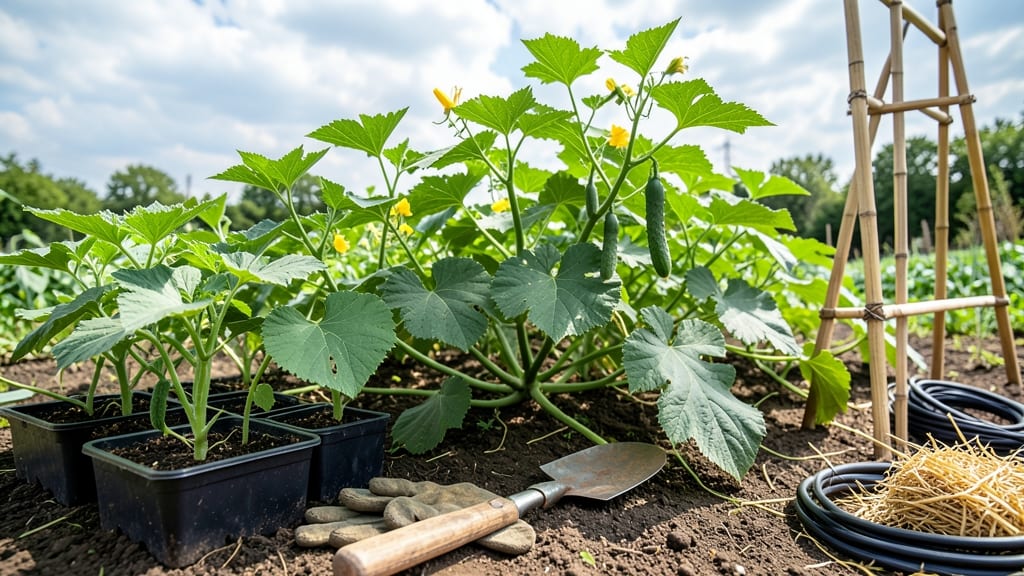
Timing your cucumber 🥒 planting in Central Florida isn't just about the calendar—it's about waiting for that perfect soil temperature that triggers fast germination. Plant too early, and your seeds might rot in cool, damp earth; too late, and you risk bolting before harvest.
The key is understanding when your soil warms up to 60°F or higher, which typically aligns with late February to early March for spring plantings.
Most gardeners focus on air temperature, but soil warmth is what actually kickstarts those little cucumber seeds into action.
In USDA Zones 9a-10a, where frost is rare, this means you've got a narrow window to get seeds in the ground before summer heat sets in—or to time your fall planting just right for an October harvest.
Getting this right could mean the difference between a thriving vine and a disappointing flop.
I've learned the hard way that rushing cucumbers into the garden too soon leads to slow starts and stressed plants. The good news? With the right soil prep and a little patience, you can time your planting for fast germination and a bumper crop.
Let me walk you through exactly how to read your soil's temperature cues and adjust your schedule for Central Florida's unique microclimates.
Whether you're a first-time gardener or a seasoned pro, mastering this timing will help you avoid common pitfalls like poor germination or early bolting. You'll discover which cucumber varieties thrive best in Florida's heat, how to modify your schedule for urban heat islands, and when to expect your first harvest.
Ready to grow cucumbers like a local?
Central Florida cucumber planting timeline: soil temperature triggers for germination
Central Florida’s warm winters and humid summers create unique challenges for cucumber growers. Unlike northern climates, we don’t have to worry about frost damage, but soil temperature still dictates success.
Cucumbers need soil at 60°F+ to germinate properly—cold soil slows growth and invites pests. In my experience, planting too early in January or February often leads to stunted seedlings.
For spring plantings, aim for late February to early March when daytime highs consistently reach the 70s°F. This aligns with Central Florida’s USDA Zone 9a-10a and ensures your seeds sprout within 5-7 days.
Fall is another prime window—late August to mid-September—when soil stays warm but summer’s intense heat has passed, reducing bolting risks.
Here’s the critical insight: air temperature ≠ soil temperature. A 70°F day might hide 55°F soil, which stalls germination. Use a soil thermometer (or the back of your hand—if it feels cool, wait).
I’ve seen cucumbers planted in January fail to sprout until March, wasting precious growing time.
Central Florida’s microclimates add another layer. Coastal areas like Cocoa Beach warm faster than inland Orlando, while urban heat islands (like Downtown Tampa) can be 5-10°F warmer than rural spots. Adjust your schedule accordingly—coastal gardeners might plant 2-3 weeks earlier than inland growers.
Let’s break down the ideal planting windows with actionable details to avoid common mistakes:
| Season | Planting Window | Soil Temp Requirement | Harvest Window | Key Consideration |
|---|---|---|---|---|
| Spring | Late February–Early March | 60°F+ (minimum) | April–June | Avoid January plantings—soil too cold. |
| Fall | Late August–Mid-September | 65°F+ (optimum) | October–November | Plant before Hurricane Season peaks. |
| Summer (Risky) | June–July (with shade) | 70°F+ (but high humidity) | August–September | Use shade cloth to prevent bolting. |
If you’re starting seeds indoors, begin 4-6 weeks before your target outdoor date. Use grow lights to maintain 70-75°F soil in seedling trays. Harden off seedlings by gradually exposing them to outdoor conditions for 10-14 days before transplanting.
I’ve found that transplant shock is less severe if seedlings experience direct sun for 2-3 hours/day before moving to the garden.
For direct sowing, create warm soil beds by covering garden areas with black plastic mulch for 2-3 weeks before planting. This raises soil temperature by 5-10°F and speeds up germination.
In my Orlando garden, I’ve seen germination times drop from 10 days to just 3-5 days with this method.
Watch for false starts: seedlings that sprout but then wilt and die due to sudden cold snaps. Central Florida’s unpredictable weather can drop nighttime temps into the 50s°F even in March.
Use row covers or cloches to protect young plants until they’re 4-6 inches tall. I once lost a batch of spring cucumbers to a 52°F night—a lesson I won’t forget!
Pro tip: Mark your calendar for April 15th as your last call for spring plantings. After this date, the intense summer heat makes cucumbers bolt prematurely, producing bitter fruit.
For a second harvest, focus on fall plantings and aim to have cucumbers established by September 1st to avoid Hurricane Season disruptions.
🌱
How to test soil warmth and adjust planting for Central Florida’s microclimates
Central Florida’s microclimates can create wildly different conditions just miles apart—urban Orlando may bake at 90°F while coastal areas stay cooler. To avoid slow germination or heat stress, test your soil’s warmth before planting.
A simple soil thermometer (available for $10 at garden centers) gives precise readings, but even a DIY method works: press your hand into the soil 2 inches deep—if it feels warm to the touch, it’s ready!
For spring plantings, aim for 60°F+ soil (warmer than air temps).
In Central Florida, this typically aligns with late February to early March, but coastal areas may need to wait until March 15+. Urban heat islands (like downtown Orlando) can hit 60°F+ weeks earlier, so adjust accordingly.
Always plant after the last light frost risk (rare in Florida, but possible in inland areas).
🌱
🌡️ Pro Tip: Adjust for Your Microclimate
- Coastal Areas: Wait until March 15+—cooler ocean breezes delay soil warming.
- Urban Heat Islands: Plant 2-3 weeks earlier (soil warms faster in pavement-heated zones).
- Inland (Lake County+):** Start seeds indoors at 55°F soil for a head start.
- Shady Spots: Use black plastic mulch to raise soil temps by 5-10°F.
💡 Why it matters: Cucumber seeds won’t germinate below 50°F, and growth stalls under 60°F.
If your soil is too cold, try these tricks: Lay down clear plastic sheeting a week before planting to trap heat, or use straw mulch to insulate roots.
For fall plantings (August-September), monitor soil temps closely—90°F+ air can still mean 70°F soil, which slows growth. Bush varieties like ‘Bush Champion’ tolerate heat better than vining types.
Don’t overlook container gardening for microclimate challenges. Pots warm up faster than ground soil, making them ideal for urban balconies or shady yards. Just ensure containers have drainage holes to prevent root rot in Florida’s humidity.
For large gardens, plant in raised beds—they warm up 2-3 weeks earlier than in-ground soil.
Finally, track your local trends by checking UF/IFAS Extension reports or neighbor success stories. In Central Florida, February 20th is a safe bet for most areas, but coastal gardeners should push to March 1st. With the right adjustments, you’ll beat the heat and enjoy cucumbers by April!
✂️