
Plants
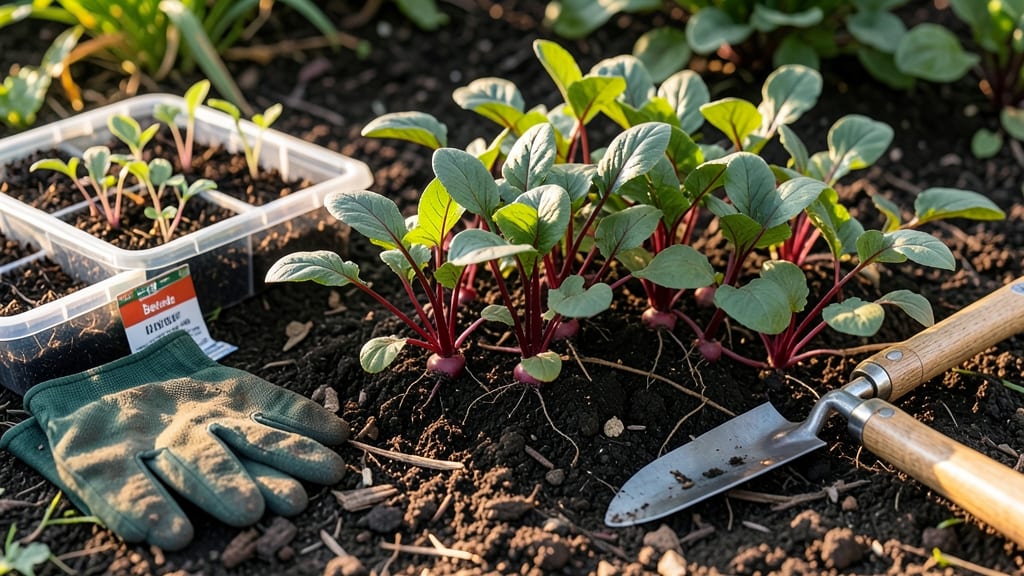
Knowing when to plant beets in Central Florida isn’t just about picking a month—it’s about timing the soil temperature just right to avoid bitter greens and maximize your harvest. With no frost to worry about, Florida’s warm winters and scorching summers create a unique challenge for growing these earthy roots.
Most gardeners in USDA Zone 9a swear by fall planting between September and October, when cooler temps slow down bolting—the process that turns your beets into leafy stalks instead of sweet roots.
But there’s a trick: soil needs to stay between 50-65°F for germination, and too much heat will send your plants running.
Spring planting works too, but only if you get seeds in the ground by February or March before the heat ramps up. The key is monitoring soil temps and using shade cloth or mulch to keep roots happy through Florida’s unpredictable transitions.
Whether you’re a beginner or a seasoned gardener, mastering these timing tricks means fewer wasted seeds and more delicious harvests from November through May. Let’s break down the exact steps to make your beet patch thrive.
Central Florida beet planting calendar: best months by soil temperature
Central Florida’s warm winters and long growing season make beets a fantastic crop—but timing is everything. Unlike northern climates, we don’t have frost to signal planting windows.
Instead, soil temperature is your best guide. Beets thrive when soil stays between 50-75°F, with ideal germination at 50-65°F and optimal growth at 60-75°F.
Without frost dates, I rely on monthly soil thermometer checks and local weather patterns. For example, Orlando’s September-October soil temps often hit the 65-75°F sweet spot, while February-March offers cooler mornings that prevent bolting. Let’s break down the best windows and how to use a soil thermometer for precision.
| Season | Best Planting Months | Soil Temp Range (°F) | Harvest Window | Key Tips |
|---|---|---|---|---|
| Fall | September-October | 65-75°F | November-December | Use shade cloth in late October if temps rise above 80°F |
| Spring | February-March | 55-65°F | April-May | Plant early mornings to avoid midday heat stress |
| Extended Fall | Late August | 70-78°F (with shade) | September-October | Use 30-50% shade cloth to prevent bolting |
| Avoid | June-July | Above 80°F | N/A | Bolting risk skyrockets in summer heat |
Here’s my pro tip: Use a soil thermometer (like the Thermopro TP-15) to check temps at 6 inches deep—where beet roots grow. If your soil hits 80°F+, even for a few days, your beets will bolt prematurely, turning bitter.
I’ve seen this happen in August plantings when afternoon temps climb into the 90s.
For spring plantings, aim for February 15-March 15 when daytime highs are 75°F or lower. I start seeds indoors in January for transplanting, giving them a head start before soil warms.
In fall, I plant September 1-October 15 for harvests before holiday feasts—just in time for Thanksgiving side dishes.
One mistake I’ve made? Planting too late in fall. If you wait until November, your beets may not mature before winter rains and humidity cause rot.
The 60-day window to harvest is tight, so plan accordingly. For example, if you plant September 15, aim to harvest by November 15.
Central Florida’s microclimates also matter. Coastal areas like Cocoa Beach stay warmer longer, while inland Lake County cools faster. I adjust my planting dates 2-3 weeks later in coastal zones. Always check your local AgriMet station for real-time soil data—it’s a game-changer for precision planting.
Don’t forget to test your soil pH before planting. Beets prefer 6.0-7.0 pH. If your soil is too acidic (below 6.0), add lime 2-3 weeks before planting. I use a LaMotte soil test kit to check—it’s worth the investment for consistent harvests.
Finally, succession planting is key. Instead of one big batch, I plant every 2 weeks in fall and every 3 weeks in spring. This ensures a continuous supply of fresh beets and reduces the risk of overcrowding, which leads to smaller roots.
For example, if you plant September 1, follow up with September 15 and October 1 for staggered harvests.
With these soil temperature tricks, you’ll avoid the bitter, bolted greens that plague summer plantings and enjoy sweet, tender beets all season long. Happy planting! 🌱
How to extend beet season in Central Florida’s heat: shade cloth, mulch, and succession planting hacks
Central Florida’s summer heat can turn your beet patch into a sad, leafy disappointment if you don’t act fast. Beets bolt (go to seed) when soil temps hit 75°F or higher, leaving you with bitter greens instead of sweet roots.
The good news? With the right tricks, you can extend your beet season and enjoy harvests well into spring.
Start by planting in late summer or early fall—August or September—when temps are still manageable. This gives your beets time to mature before the real heat sets in. But even then, you’ll need to protect them from Florida’s relentless sun and humidity.
Here’s the game plan: shade cloth, mulch, and succession planting are your best tools. These methods work together to keep soil cool, retain moisture, and give you a steady supply of fresh beets without the bolting drama.
🔹 Shade cloth is a lifesaver in Central Florida. A 30-50% coverage cloth blocks enough sun to keep soil temps down while still allowing light for growth. Hang it over your beet rows in late afternoon when the sun is strongest. This simple step can delay bolting by 2-3 weeks.
Use 30-50% shade cloth to block afternoon sun and keep soil temps below 75°F. Secure it 3-4 feet above plants to allow airflow and prevent fungal issues. Remove it in early morning to let beets soak up sunlight for growth.
Apply 2-3 inches of mulch (straw or wood chips) to insulate soil and retain moisture. Replenish every 4-6 weeks to maintain effectiveness. Mulch also suppresses weeds, reducing competition for nutrients.
Plant new seeds every 2 weeks from August through October for a continuous harvest. This spreads out risk—if one batch bolts, you’ll still have fresh beets coming in. Aim for 3-4 plantings per season.
Water deeply in the morning to avoid fungal diseases and keep soil consistently moist. Beets need 1 inch of water per week, but reduce frequency in summer to prevent overwatering, which can stress plants.
Don’t forget to harvest regularly to encourage more root growth. Beets left in the ground too long become woody and tough. Aim to pull roots when they’re 1-3 inches wide—this keeps your plants productive and prevents bolting.
With these tricks, you can enjoy beets from fall through spring in Central Florida, even when the mercury rises. The key is acting early and staying consistent with your care routine. Your taste buds—and your garden—will thank you!