
Plants
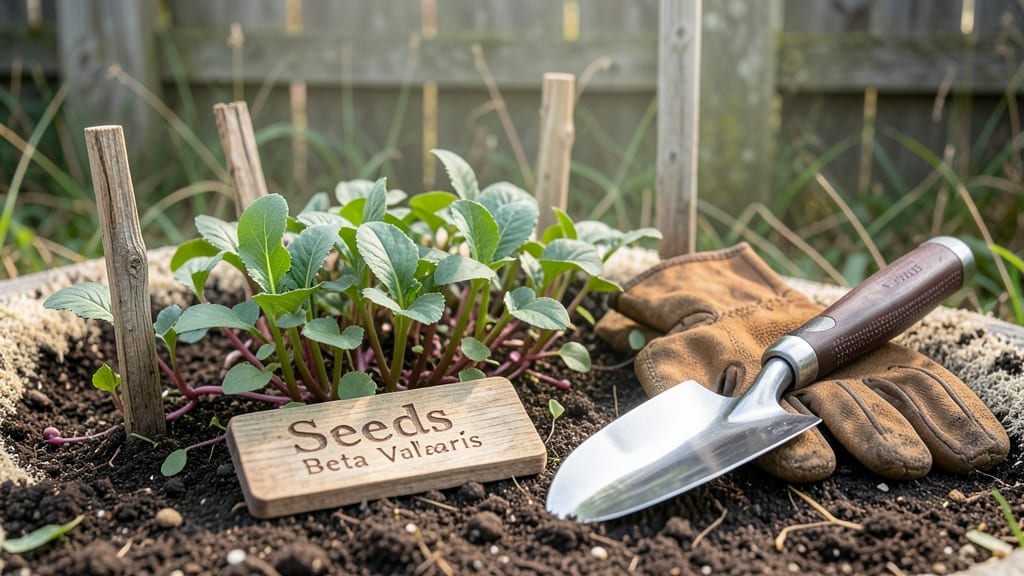
If you're wondering when to plant beets in NJ, timing is the secret to avoiding bitter, tough roots or wasted seeds. The 🍠 thrives in New Jersey's 6a-7b zones when soil temps hit 45°F+, but get it wrong, and frost or heat ruins your harvest.
Most gardeners in NJ plant beets twice a year—early spring (March-April) for summer harvests or late summer (August-September) for fall. But coastal areas like Cape May have later frost dates than inland spots like Trenton, so local conditions matter.
I’ll show you how to sync planting with NJ’s frost-free window, plus tricks for extending your harvest with succession planting. Skip the guesswork and grow beets that stay sweet and tender from seed to table.
Ready to unlock the best times for your garden? Let’s dive into the soil temperature secrets and planting calendar that’ll make your beet harvest foolproof.
NJ beet planting calendar: frost dates & soil temperature guide
New Jersey’s USDA zones 6a-7b create a tricky balance for beet growers—too early, and a surprise frost zaps your seedlings; too late, and your beets bolt into bitter, leafy stalks. The key? Plant when soil temperatures hit 45°F+ and the last frost date has passed for your region.
Coastal areas like Cape May typically see their last frost by March 25-30, while inland zones like Newark wait until April 15-20.
Beets are cool-season crops, meaning they thrive in spring (March-April) and late summer (August-September) plantings. The goal is to harvest before summer heat triggers bolting.
For spring plantings, aim to sow seeds 4-6 weeks before your last frost date, giving them time to mature before temperatures climb above 75°F. Fall plantings should occur 8-10 weeks before the first frost (usually mid-October in NJ).
Here’s the breakdown you need to nail your NJ beet planting schedule:
| Planting Window | Soil Temp Requirement | Last Frost Date (Coastal) | Last Frost Date (Inland) | Harvest Window |
|---|---|---|---|---|
| Early Spring (March-April) | 45°F+ | March 25-30 | April 15-20 | June-July |
| Late Summer (August-September) | 50°F+ | N/A | N/A | October-November |
| Succession Planting (Every 2 Weeks) | 45°F+ | March-July | April-August | Rolling harvest |
⚠️ Pro Tip: Use a soil thermometer to confirm temps before planting.
For coastal NJ gardeners, the window to plant beets opens earlier due to milder winters. Start sowing seeds outdoors as early as late February to early March under row covers or in a cold frame. This head start lets you harvest before inland gardeners even begin!
Inland areas should wait until mid-April to avoid frost damage. Test your soil temperature by placing a thermometer 2 inches deep—if it reads below 45°F, wait a few days.
Don’t overlook late summer plantings (August-September) for a fall harvest. Beets planted in late summer benefit from cooler autumn temperatures and can be harvested straight through October and November. Choose heat-tolerant varieties like ‘Detroit Dark Red’ or ‘Golden’ for better success in NJ’s humid summers.
These varieties handle the heat better and produce sweeter roots when sown in late August.
If you’re unsure about your local frost dates, check the NJAES (New Jersey Agricultural Experiment Station) frost calendar or use the USDA Plant Hardiness Zone Map.
For most of NJ, the average last frost date falls between April 15 and May 1, but microclimates—like urban heat islands or protected valleys—can shift this by 1-2 weeks. Planting too early in these zones risks frost damage, while waiting too long may lead to bolting.
One common mistake NJ gardeners make is planting beets too close to summer solstice (June 21). Long daylight hours and rising temperatures trigger bolting, turning your sweet roots into bitter greens.
To avoid this, stop planting beets after mid-June unless you’re using shade cloth to extend the season. For a continuous harvest, practice succession planting every 2 weeks from March through July.
Protect young seedlings from unexpected late frosts with floating row covers or a cloche. These simple tools can raise soil temperatures by 5-10°F and shield tender sprouts. Once seedlings reach 2 inches tall, you can remove covers during the day to harden them off.
Always remove covers during the day to prevent overheating, which can stress the plants.
Remember, beets are fast growers—they’ll be ready to harvest in just 50-70 days depending on the variety. Plan your planting schedule to ensure a steady supply from June through November.
With the right timing and a little preparation, you’ll enjoy homegrown beets that are sweeter and more flavorful than store-bought.
How to extend your beet harvest in NJ: succession planting tips
New Jersey’s short growing season doesn’t mean you have to settle for just one beet harvest. With succession planting, you can enjoy fresh beets from early spring to late fall—even through summer’s heat.
The key is spacing out your plantings every 2-3 weeks to keep a steady supply. I’ve grown beets this way for years, and my garden stays productive long after neighbors’ harvests end.
Start your first planting in early March when soil reaches 45°F, then repeat every 2-3 weeks until early July. This gives you 3-4 harvest cycles before summer heat triggers bolting.
For fall crops, begin sowing in mid-August to harvest before the first frost in mid-October. Heat-tolerant varieties like ‘Detroit Dark Red’ or ‘Golden’ handle summer better than others.
📅 Succession Planting Timeline for NJ Beets
- March 1-15: First planting (soil 45°F+)
- March 30-April 15: Second planting (after last frost)
- April 30-May 15: Third planting (peak harvest June)
- June 15-July 1: Final spring planting (harvest July-August)
- August 15-30: Fall planting #1 (harvest October)
- September 1-15: Fall planting #2 (harvest November)
If summer heat becomes overwhelming, use shade cloth (30-50%) to protect seedlings. Water deeply in the morning to prevent stress, and mulch with straw to keep roots cool. I’ve even grown beets under drip irrigation during heatwaves—it makes all the difference.
Avoid planting after July 15 unless you’re using shade, as days get too long for sweet roots.
For a fall-winter harvest, try cold-hardy varieties like ‘Winter Keeper’ and plant in late August. These beets sweeten after frost and can survive light freezes. Just cover them with row fabric if temperatures dip below 20°F. My garden’s late-fall beets are always the sweetest—worth the extra effort!
Pro tip: Interplant beets with fast growers like lettuce or radishes. The radishes will be gone by the time beets need space, and you’ll maximize your garden’s square footage.
Just avoid planting near pole beans, which compete for nutrients. Succession planting turns a one-time harvest into a month-long feast—and that’s a NJ gardener’s dream.
Don’t let summer’s heat or short seasons stop you. With these strategies, you’ll have beets on your table long after most gardens give up. The secret? Plan ahead, stay consistent, and protect your plants from NJ’s extremes. Your future self (and your dinner plate) will thank you.