
Plants
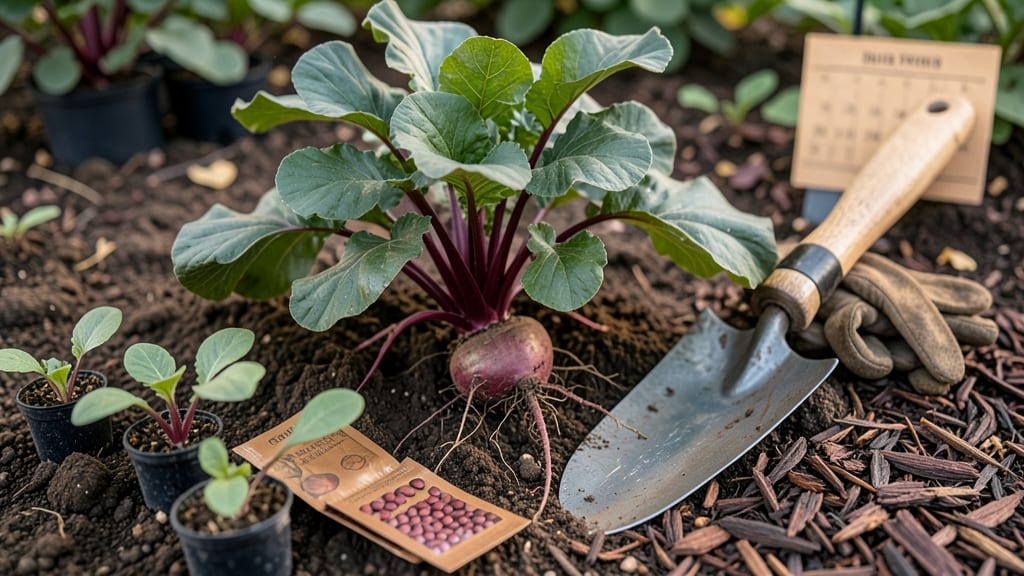
Timing your beet planting in Oregon isn’t just about following a calendar—it’s about dodging bitter greens and stunted roots by matching your zone’s frost-free window.
Whether you’re in the Willamette Valley or the High Desert, planting too early risks frost damage, while waiting too long can lead to bolting before harvest. The key? Start seeds 4-6 weeks before your last frost date (March-April for spring) or sow late summer (July-August) for a fall crop.
Oregon’s 7b-9a zones mean your neighbors might be harvesting while you’re still waiting for soil to warm—or dealing with leggy beets that never bulk up. Coastal areas like Astoria can plant earlier than Bend’s high desert, where nights stay chilly longer.
I’ll break down the exact frost dates and variety choices that work best in each microclimate, so you can avoid the most common mistakes Oregon gardeners make.
What if you want beets from June through November? Succession planting is your secret weapon—sow every 2-3 weeks in spring for a staggered harvest, then repeat in late summer for fall.
With the right timing, you’ll go from tiny seedlings to dinner-table beets in just 6-8 weeks, even in Oregon’s unpredictable weather. Let’s get your garden on track for a bold, continuous harvest.
Ready to skip the guesswork? I’ll walk you through soil prep, frost protection, and the best beet varieties for Oregon’s climate—so you can enjoy sweet, tender roots all season long. No more wasted seeds or disappointing harvests—just reliable, homegrown beets that taste better than anything from the store.
Oregon frost dates by region: best planting windows for beet varieties
Oregon’s diverse climate—from the coastal fog of the Willamette Valley to the hot summers of the High Desert—means beet planting timing varies wildly. To avoid bitter greens or stunted roots, align your schedule with USDA zones 7b-9a and regional frost dates.
Let’s break it down by zone and variety for foolproof harvests.
First, note that spring planting (March-April) and fall planting (July-August) are your two best windows. Coastal areas like Astoria and Portland can plant 2-4 weeks earlier than inland zones like Bend or Redmond. Use this rule: Wait until soil reaches 50°F—cold soil slows germination.
For early varieties like 'Detroit Dark Red' (50 days to harvest), aim for March 15-April 15 in most zones. Late varieties such as 'Chioggia' (60-70 days) thrive when sown July 1-August 15.
In Zone 9a (e.g., Medford), you can stretch spring planting to April 30—just cover seedlings if frost sneaks in.
Here’s your Oregon beet planting timeline by region, including frost-free windows and variety recommendations:
Oregon Beet Planting Windows by Region
| Region | USDA Zone | Spring Planting Window | Fall Planting Window | Best Varieties |
|---|---|---|---|---|
| Coastal (Astoria, Seaside) | 8a-8b | March 1 - April 1 | July 15 - August 10 | 'Golden', 'Detroit Dark Red' |
| Willamette Valley (Portland, Salem) | 7b-8a | March 15 - April 15 | July 1 - August 15 | 'Chioggia', 'Babybeat' |
| High Desert (Bend, Redmond) | 6b-7a | April 1 - April 30 | August 1 - August 31 | 'Boltardy', 'Detroit Dark Red' |
| Southern Oregon (Medford, Ashland) | 8b-9a | March 1 - April 30 | July 15 - September 15 | 'Chioggia', 'Lutèce' |
*Adjust dates 1-2 weeks based on microclimates (e.g., frost pockets in valleys).
Pro tip: Succession plant every 2 weeks in spring and fall for a continuous harvest. In Zone 7b (e.g., Eugene), this means sowing seeds on March 15, April 1, and April 15 for spring, then July 15, July 30, and August 15 for fall.
Use bolt-resistant varieties like 'Boltardy' to avoid bitter greens when days lengthen.
For coastal gardeners, watch for late spring frosts—they’re common in May. If frost is forecasted, lay down row covers or use cloche bells to protect young seedlings.
Inland areas like Bend face the opposite risk: hot, dry summers can cause bolting. Mulch heavily to retain moisture and shade plants with floating row covers during heatwaves.
Remember: Soil temperature matters more than air temperature. Use a soil thermometer to confirm 50°F+ before planting. If your soil is too cold, seeds may rot instead of sprouting—a common mistake in Oregon’s rainy springs.
Amend clay-heavy soils with compost to improve drainage, especially in low-lying areas prone to waterlogging.
Now that you’ve got your planting windows locked in, your next move is to prep the soil and choose the right beet variety for your zone. Golden beets sweeten early and thrive in cooler coastal areas, while Chioggia’s swirled roots love the longer summers of Southern Oregon.
Don’t forget: Thin seedlings to 3-4 inches apart to prevent crowded, misshapen roots.
With these region-specific dates
How to extend Oregon’s beet growing season for year-round harvests
Oregon’s cool, wet springs and early autumn frosts can make beet growing feel like a seasonal rollercoaster—but with the right tricks, you can enjoy fresh beets from early spring to late fall.
The key? Cold-hardy varieties, season-extending tools, and smart planting strategies to avoid bolting (when beets flower prematurely and turn woody). Let’s break down how to push your beet harvests beyond the typical 60-day window.
First, choose bolt-resistant varieties like 'Chioggia' or 'Early Wonder', which handle Oregon’s unpredictable temperatures better than standard types. These varieties tolerate cooler soils and shorter days, making them ideal for early spring or late summer plantings.
Pair them with row covers or low tunnels to add 2-4°F of warmth and delay frost damage by 3-4 weeks.
For spring harvests, start seeds indoors 4-6 weeks before your last frost date (early March in most of Oregon). Transplant seedlings outdoors 2 weeks before the average last frost—usually mid-to-late April—when soil temps hit 50°F.
Use black plastic mulch to warm the soil faster and reduce weed competition, which is critical in Oregon’s rainy season.
🌱 5 Proven Ways to Extend Your Beet Season
- 1. Succession Planting: Sow seeds every 2 weeks from March to July for continuous harvests. Use short-day varieties (like 'Babybeat') to avoid bolting.
- 2. Row Covers: Protect seedlings with floating row covers to extend harvests into October. Remove covers during warm days to prevent overheating.
- 3. Cold Frames: Build a low-cost cold frame over beet beds to add 10-15°F of warmth and harvest 2-3 weeks earlier in spring.
- 4. Soil Warming: Use black plastic mulch or straw bales to raise soil temps by 5-10°F, helping roots grow faster in cool Oregon springs.
- 5. Fall Planting: Sow seeds late July to early August for a fall harvest. Choose cold-tolerant varieties and harvest before first frost (usually mid-October).
Bolt-resistant varieties are your best defense against Oregon’s long daylight hours in summer. 'Boltardy' and 'Detroit Dark Red' are top picks because they resist flowering even when days stretch past 14 hours.
If you notice beets sending up flower stalks, harvest the roots immediately—they’ll still be tender! For late-summer plantings, use shade cloth (30-50%) to reduce daylight exposure and delay bolting.
Don’t overlook soil preparation—Oregon’s clay-heavy soils can cause beets to split or develop misshapen roots.
Amend beds with compost and sand to improve drainage, and keep soil consistently moist (not soggy). Drip irrigation is ideal for Oregon’s variable rainfall, delivering water directly to roots without wetting foliage—reducing disease risk.
With these strategies, you can enjoy homegrown beets from March to November, even in Oregon’s tricky climate. Start with one test bed this year: try a spring succession planting and a fall cold-frame harvest.
You’ll be amazed at how much longer your beet season can stretch—without bitter surprises! 🌱