
Plants
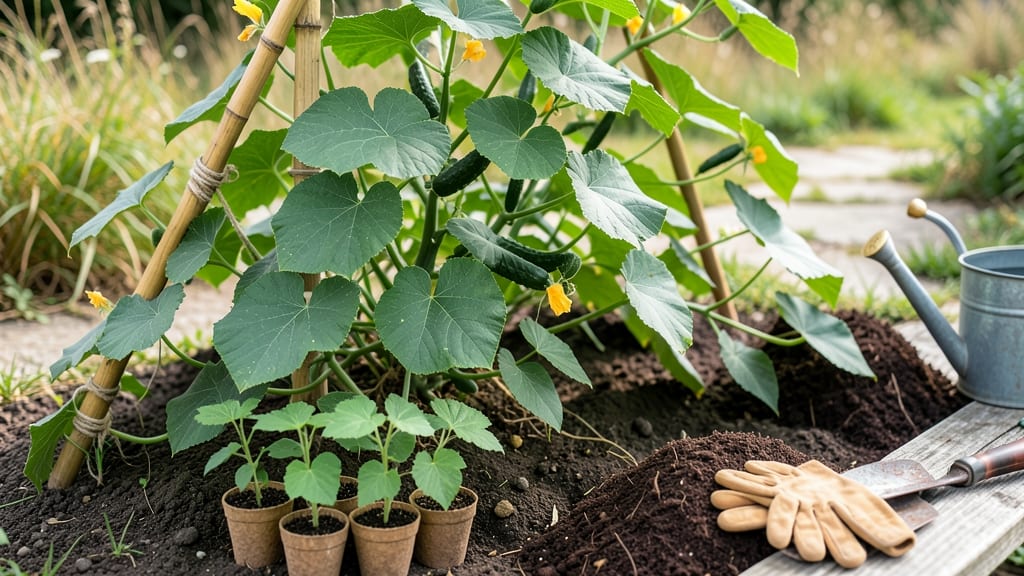
Figuring out when to plant cucumbers in South Florida isn’t just about picking a month—it’s about beating the heat while avoiding hurricane season’s chaos. Unlike cooler climates, your 🥒 vines here face year-round growing but with critical timing to dodge bolting or poor yields.
South Florida’s 10b-11 climate means you can plant almost anytime, but the sweet spot is early spring (February–March) and late summer (August–September). These windows let you sidestep the brutal midday sun while giving your plants time to mature before the rainy season hits.
But here’s the catch: soil temperature matters more than the calendar. Cucumbers need at least 55°F to germinate, and anything hotter than 90°F can stress them. I’ll show you how to read your soil’s cues and pick heat-tolerant varieties that actually thrive in this humidity.
Ready to skip the guesswork? Let’s dive into the exact timing, soil tricks, and cucumber varieties that’ll have you harvesting crisp, homegrown 🥒 all year—without the frustration.
Best planting times for cucumbers in South Florida based on soil temperature
South Florida’s warm winters and long growing season mean cucumbers can grow year-round, but timing matters to avoid bolting or poor yields. Unlike northern climates, we don’t worry about frost—just soil temperatures and humidity spikes.
The ideal window is when soil reaches 55°F+, which typically aligns with February-March and August-September.
Cucumbers thrive in 60-90°F soil, but temperatures above 95°F cause stress. In South Florida, this means spring planting (before peak summer heat) and fall planting (after monsoon season) yield the best results. Summer planting is possible with shade and extra water, but yields may suffer.
Here’s how to align your planting with South Florida’s unique climate triggers:
For direct sowing, wait until soil is warm enough (test with a soil thermometer) and nighttime temps stay above 60°F. In South Florida, this usually means mid-February for spring and early September for fall. If you’re starting seeds indoors, begin 4-6 weeks before your target planting date.
Pro tip: Use black plastic mulch to warm soil faster in spring. This raises soil temps by 5-10°F, speeding up germination and growth. Just remove it once vines start spreading to avoid overheating roots.
Hurricane season (June-November) adds another layer. If a storm is forecasted, harvest all ripe cucumbers and protect young plants with shade cloth or temporary row covers. Cucumbers are sensitive to wind damage, so securing trellises is a must during peak storm months.
Monitor your local microclimate—coastal areas stay cooler than inland zones, so adjust planting dates accordingly. For example, Miami’s spring planting might start 2 weeks earlier than Palm Beach due to cooler ocean breezes.
Finally, successive planting every 2-3 weeks ensures a continuous harvest. In South Florida, this means starting new batches in February, March, August, and September to stagger production through the year.
🌱
Best planting times for cucumbers in South Florida based on soil temperature
South Florida’s warm winters and long growing season mean cucumbers can thrive year-round—but timing is everything. Unlike northern climates, you don’t need to wait for spring. The key is soil temperature, not frost dates.
Cucumbers germinate best when soil reaches 55°F+, and our USDA Zones 10b-11 rarely drop below that. This gives us two prime windows: early spring and late summer.
Planting in February-March lets you beat the worst summer heat while avoiding hurricane season (June-November). For a fall harvest, aim for August-September—just before temperatures dip. Skipping these windows risks bolting (premature flowering) or poor yields from heat stress.
My personal trick? Test soil with a thermometer before planting to confirm readiness.
| Season | Soil Temp | Best Months | Risks |
|---|---|---|---|
| Spring | 55°F-75°F | Feb-Mar | Heat stress |
| Summer | 75°F-90°F | Jun-Jul | Bolting |
| Fall | 65°F-80°F | Aug-Sep | Hurricanes |
For year-round success, I recommend succession planting every 2-3 weeks. Start with 4-6 seeds per hill, spaced 12 inches apart, and thin to the strongest plant.
In South Florida’s humidity, direct sowing beats transplants—it reduces shock. Pro tip: Use black plastic mulch to warm soil faster in cooler months (like January).
Watch for heat stress signs: yellowing leaves or bitter-tasting cucumbers mean it’s too hot. If temperatures hit 90°F+, provide afternoon shade with 30% shade cloth.
My go-to variety for summer is 'Straight Eight'—it handles heat better than most. Pair it with drip irrigation to keep roots cool and consistent.
Timing isn’t just about months—it’s about microclimates. Coastal areas (like Miami) stay warmer longer than inland spots (like Orlando). If you’re near the coast, you can push spring planting into April.
Inland? Stick to March to avoid early heat spikes. Always check your local weather forecast for rain patterns—cucumbers need 1-2 inches of water weekly, but too much can drown roots.
Finally, avoid planting during hurricane season (June-November). Young plants won’t survive storms, and flooded soil causes rot. If you must plant in summer, use raised beds with excellent drainage. My fall favorite is 'Marketmore 76'—it matures fast (50 days) and resists disease in our damp air.
Remember: South Florida’s no-frost zone is a gift, but heat and humidity are the challenges. Master these planting windows, and you’ll enjoy fresh cucumbers year-round—no matter the season. 🌱