
Plants
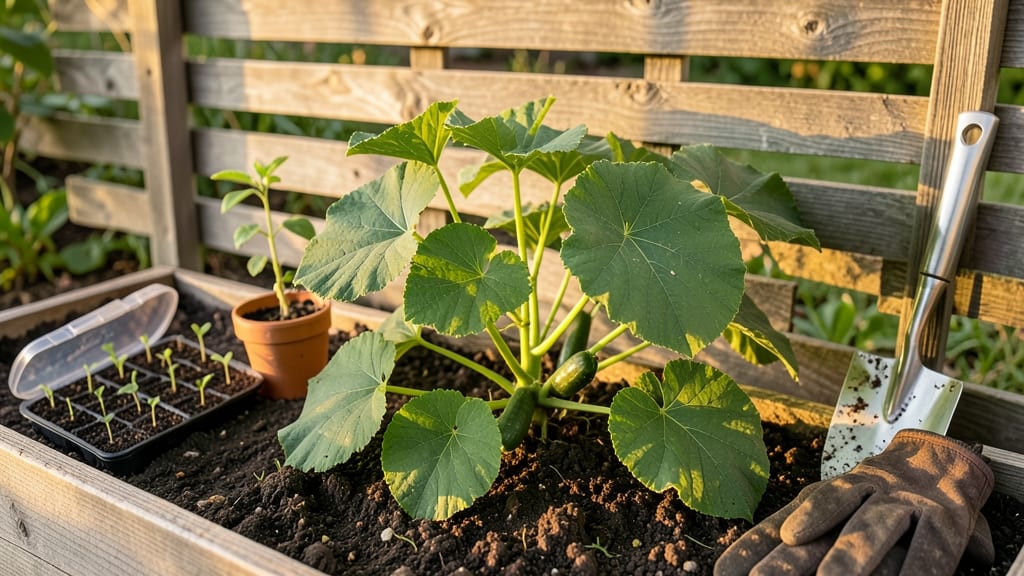
Knowing when to plant cucumbers in New Jersey can transform your garden from a patch of dirt to a thriving vine of crisp, homegrown slices—or leave you with wilted disappointment. The key isn’t just waiting for spring; it’s timing your planting to hit that 60°F soil trigger for fast germination, usually right after April 15th when frost risks fade.
Here’s the thing: New Jersey’s 6a-7b climate gives you a narrow window between April and June to get seeds in the ground before summer heat arrives. Plant too early, and frost zaps your seedlings; too late, and you’ll miss the sweet spot for a July-September harvest.
I’ll show you exactly how to read your soil’s cues so you never guess again.
Whether you’re a backyard gardener in North Jersey or an urban container grower in Newark, these soil-temperature secrets will help you grow cucumbers faster and avoid common pitfalls like cucumber beetles or stunted growth. Let’s get those vines thriving!
From using black plastic mulch to adjust for cool soil to mastering succession planting for extended harvests, you’ll learn the Jersey-specific tricks that make all the difference. Ready to turn your garden into a cucumber powerhouse?
Best planting dates for cucumbers in New Jersey based on soil temperature
New Jersey’s USDA zones 6a-7b create a unique challenge for cucumber growers—cool coastal breezes in the north and sweltering inland summers in the south. The last frost date typically lands around April 15, but soil temperature is the real game-changer.
Cucumber seeds need 60°F soil to germinate reliably, and waiting for this warmth ensures faster sprouting and stronger vines.
In North Jersey (e.g., Bergen County), where spring lingers longer, aim for May 1 or later.
Meanwhile, South Jersey (e.g., Atlantic City) can plant as early as April 20 once soil hits 60°F. A soil thermometer ($10 at garden centers) is your best friend—stick it 2 inches deep in the morning for the most accurate reading.
For container gardening in urban NJ (think Newark or Jersey City), soil warms faster in pots. Start seeds indoors in biodegradable pots by April 1 and transplant after May 15. Just ensure containers have drainage holes to prevent root rot from NJ’s humid summers.
Pro tip: Use black plastic mulch to raise soil temperature by 5–10°F. Lay it down 1–2 weeks before planting to create a warmer microclimate for your cucumbers. This trick works especially well in cooler microclimates like the Pine Barrens.
If you’re eager to beat the heat, try succession planting every 2 weeks until June 15. This staggered approach extends your harvest window and reduces the risk of powdery mildew, a common NJ cucumber nemesis during humid Augusts.
🌱 Cucumber Planting Timeline for New Jersey
| Stage | Action | Soil Temp | Notes |
|---|---|---|---|
| Prep Soil | Amend with compost | 50°F+ | Add 2 inches compost |
| Start Indoors | Seedlings in pots | 65°F+ | Use grow lights |
| Direct Sow | Plant seeds 1 inch deep | 60°F+ | After last frost |
| Transplant | Move seedlings outdoors | 65°F+ | Hardening off first |
| Harvest | Pick cucumbers weekly | N/A | July–September peak |
🌡️ Soil temp is critical—cucumbers won’t germinate below 60°F!
Don’t let late spring frosts catch you off guard. Even after the official last frost date, temperatures can dip in North Jersey highlands. Use row covers (like Reemay fabric) for the first 2 weeks to protect tender seedlings.
Remove covers once vines start climbing—too much heat can stress young plants.
For bush varieties (like 'Bush Champion'), planting is simpler: just wait until May 15 and sow directly. These compact types tolerate cooler soils better than vining varieties, making them ideal for short-season gardens in zones 6a.
If you’re in coastal areas (e.g., Cape May), where humidity is high, opt for resistant varieties like 'Straight Eight' or 'Marketmore'. These handle NJ’s muggy summers better than heirloom types. Pair them with drip irrigation to keep foliage dry and prevent fungal diseases.
Remember: Soil temperature > air temperature. A sunny 70°F day might feel warm, but if the soil is still chilly, your cucumbers will sulk. Test it—don’t guess! With the right timing, you’ll be harvesting crisp cucumbers by mid-July.
How to adjust cucumber planting for New Jersey’s microclimates and frost risks
New Jersey’s diverse microclimates can throw off even the most careful gardener. Coastal areas like Cape May stay cooler and damper longer, while inland spots near Trenton can bake by May. Urban gardens in Newark face heat island effects, while mountain regions like Sussex County enjoy slightly cooler nights.
These variations mean a one-size-fits-all approach to cucumber planting won’t work—adjust your timing based on your specific zone.
For coastal NJ (USDA Zone 6a), aim to plant cucumbers 2-3 weeks later than inland areas—typically around May 1-15. The extra humidity slows soil warming, so use black plastic mulch to accelerate germination.
In South Jersey’s hotter inland zones (7a-7b), you can start as early as April 20 if your soil hits 60°F, but watch for cucumber beetles that thrive in warm weather.
🌱 Pro Tip: Use a soil thermometer to confirm readiness—cucumbers won’t germinate below 60°F, even if frost risk is low. For urban container gardeners, choose bush varieties like ‘Bush Champion’ and plant in 5-gallon pots near south-facing walls to maximize warmth.
🌡️ New Jersey Microclimate Adjustments
- 🌊 Coastal Areas (e.g., Atlantic City): Plant May 1-15; use row covers for early starts.
- 🏙️ Urban Heat Islands (e.g., Jersey City): Start April 25; mulch heavily to retain moisture.
- 🌵 Inland Hot Zones (e.g., Vineland): Plant April 15-30; watch for pests like beetles.
- 🏔️ Mountain Regions (e.g., High Point): Wait until May 10; soil stays cool longer.
- 🏡 Containers (Balconies/Patios): Use bush varieties; plant May 1 for warmth.
Late frosts are the biggest threat to cucumber seedlings in NJ. Even after the average last frost date (April 15), cold snaps can linger. Protect young plants with floating row covers or a mini greenhouse until they’re 4-6 inches tall.
If frost is forecasted, cover plants with old bedsheets or cardboard—cucumbers are more cold-sensitive than tomatoes but can tolerate brief chills if dry.
For extended harvests, practice succession planting: sow a second batch 4-6 weeks after your first planting (around May 20-June 1). Choose different varieties with varied maturity dates—like ‘Straight Eight’ (55 days) and ‘Marketmore’ (65 days)—to stagger your harvest through September.
This works especially well in South Jersey’s longer growing season.
🌿 Remember: Cucumbers are 90% water, so adjust your watering based on your microclimate. Coastal areas may need daily watering due to humidity, while inland zones can go 2-3 days between deep soaks.
Mulch with straw or grass clippings to lock in moisture and keep roots cool—especially critical in July’s heatwaves.