
Plants
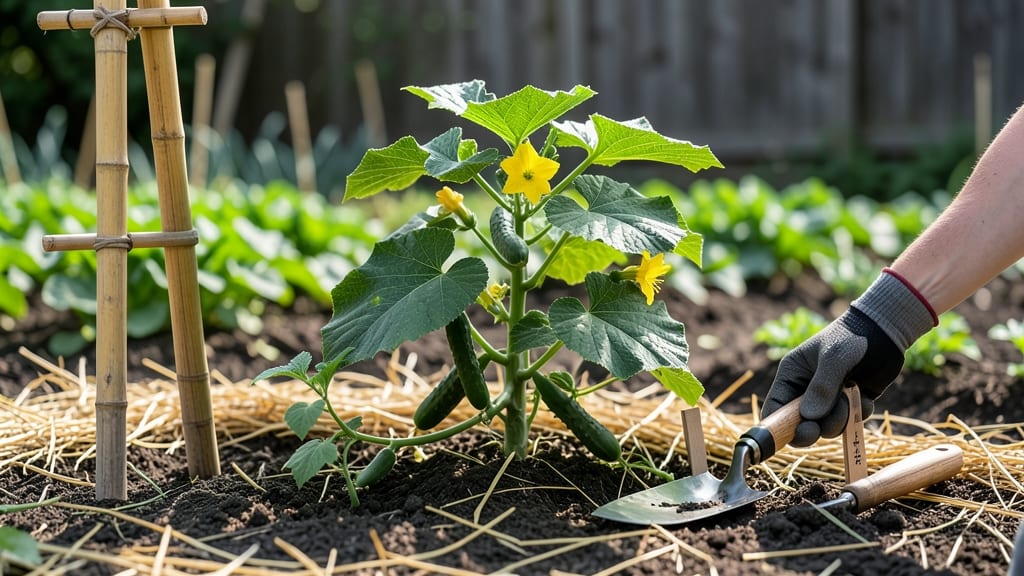
Timing your 🥒 cucumber planting in South Carolina isn’t just about following a calendar—it’s about beating the heat and avoiding the dreaded early frost. If you plant too soon, those delicate seedlings will bolt or wilt before they even get a chance to thrive.
But nail the window, and you’ll be feasting on homegrown cucumbers from June through October.
With USDA zones 7b-8a and a subtropical-to-temperate climate, South Carolina gardeners have two prime chances to plant: mid-March to early May for spring harvests and late July to early August for a late-summer boost.
The key? Waiting until the soil warms to at least 60°F—cold soil slows growth, leaving your plants vulnerable to disease and pests.
Here’s the game-changer: coastal areas like Charleston and Myrtle Beach have slightly later frost dates than Piedmont cities like Greenville or Columbia. That means your exact planting deadline could vary by 2-3 weeks depending on where you live.
We’ll break it down by county so you never miss the sweet spot between frost and scorching summer heat.
Ready to grow cucumbers that actually produce? You’ll learn which heat-tolerant varieties perform best, how to extend your harvest season, and the simple tricks (like row covers and black plastic mulch) to give your plants the competitive edge. Let’s get those vines climbing!
South Carolina county-specific cucumber planting deadlines by last frost dates
Timing your cucumber planting in South Carolina can feel like a guessing game—especially with our variable spring weather and humid summers. But knowing your county’s last frost date is the secret to avoiding bolted plants or wilted vines before harvest.
Most of South Carolina falls in USDA Zones 7b-8a, but even small regional differences mean your Charleston garden might have a 2-week lead over Greenville for planting.
For spring plantings, aim to sow seeds or transplant seedlings 2-3 weeks after your county’s average last frost date. This gives young plants time to establish roots before soil temperatures climb above 60°F—the minimum needed for germination.
In late summer, you can push your luck with a second planting in July, but choose heat-tolerant varieties to avoid bitter fruit.
South Carolina County Planting Deadlines
| Region | Last Frost Date | Spring Planting Window | Late Summer Planting | Harvest Window |
|---|---|---|---|---|
| Charleston | March 15 | April 1-15 | July 20-August 5 | June-August & Sept-Oct |
| Columbia | March 20 | April 10-25 | July 25-August 10 | June-August & Sept-Oct |
| Greenville | March 25 | April 15-May 1 | August 1-15 | June-August & Sept-Oct |
| Myrtle Beach | March 10 | March 25-April 10 | July 15-August 1 | May-August & Sept-Oct |
*Adjust dates 1-2 weeks earlier for coastal areas (warmer microclimates) or later for inland elevations.
If you’re planting seeds directly in the garden, start them 1 week earlier than the transplant window—seeds need 5-10 days to germinate in 60°F+ soil. For transplants, buy 3-4 week-old seedlings from a local nursery to give them a head start.
Pro tip: Use black plastic mulch to warm the soil faster and deter weeds, which is especially helpful in cooler Piedmont regions like Greenville.
For late summer plantings, focus on heat-resistant varieties like ‘Southern Sweet 100’ or ‘Straight Eight’, which tolerate 90°F+ temperatures better than standard types. Plant these after July 15 to avoid powdery mildew (a common fungal issue in SC’s humidity).
Water deeply in the early morning to keep foliage dry and reduce disease risk.
Don’t let unpredictable spring rains fool you—always check local frost forecasts from the National Weather Service or Clemson Extension before planting. A late frost in April can wipe out tender seedlings overnight, so have row covers ready if temperatures dip below 50°F after planting.
For coastal gardeners (e.g., Hilton Head or Beaufort), you can push your spring planting as early as mid-March thanks to warmer microclimates. But inland areas like Anderson or Spartanburg should wait until mid-April to avoid frost damage.
Always test your soil temperature with a soil thermometer—cucumbers won’t germinate in soil colder than 55°F.
Remember: Succession planting is key to a continuous harvest. After your first planting, sow new seeds every 2 weeks until mid-July to keep cucumbers coming all summer. This works especially well in container gardens or raised beds, where you can control soil conditions more precisely.
🌱
Heat-tolerant cucumber varieties that thrive in South Carolina’s summer heat
South Carolina’s 90°F+ summers can turn cucumber plants into sad, wilted shadows if you don’t pick the right varieties. The key is choosing heat-resistant and disease-tolerant types that keep producing even when the mercury rises.
My top picks focus on quick maturation (50-60 days) and powdery mildew resistance, two critical factors for our humid climate.
For bush varieties, I recommend 'Bush Champion'—it stays compact (1-2 ft tall) but delivers high yields without sprawling. If you have space for vines, 'Straight Eight' and 'Marketmore 76' are my go-tos: both handle heat and produce crisp, dark green cucumbers perfect for slicing.
Pro tip: Look for parthenocarpic varieties (like 'Suyo Long') if you want cucumbers without pollination issues.
🌱
🥒 Heat-Tolerant Cucumber Variety Comparison
| Variety | Type | Days to Harvest | Heat Tolerance | Best Planting Time |
|---|---|---|---|---|
| Bush Champion | Bush | 55-60 days | Excellent | April-May |
| Straight Eight | Vining | 60-65 days | Very High | April-May & July-Aug |
| Marketmore 76 | Vining | 58-62 days | High | April-May |
| Suyo Long | Vining (Parthenocarpic) | 60-65 days | Excellent | April-May & July-Aug |
| Armenian | Vining | 60-70 days | High | April-May |
Timing matters just as much as variety choice. For spring plantings, get seeds in the ground by April 15 in most of SC to avoid early heat stress.
If you’re planting for a late-summer harvest, aim for July 15-August 1—this gives vines time to establish before the first frost in November. I’ve even had success with black plastic mulch to warm soil for earlier starts in USDA Zone 8a areas like Charleston.
Don’t overlook disease resistance—powdery mildew is a major threat in SC’s humidity. Varieties like 'Marketmore 76' have built-in resistance, but I still recommend applying neem oil preventatively if you notice yellowing leaves.
For container growing, 'Spacemaster' is a fantastic option: it’s compact, productive, and handles heat well in 5-gallon pots.
💧 The secret to heat success? Consistent watering and afternoon shade during peak summer. I water my cucumbers deeply every morning and use shade cloth (30-50%) when temps hit 95°F. This simple trick keeps my plants producing through September—when many gardeners are already packing up for winter.