
Plants
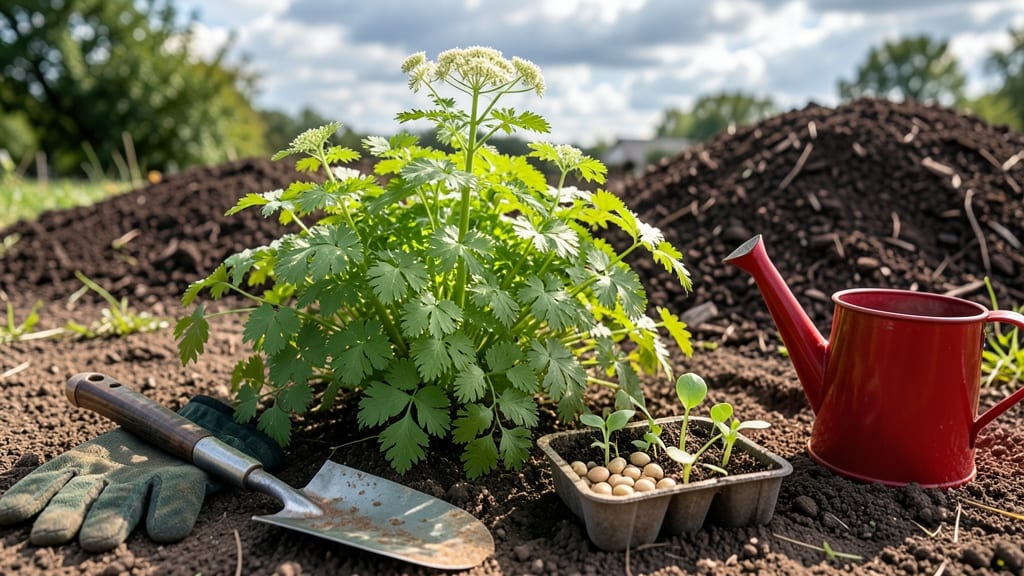
Best planting times for cilantro in Florida’s climate Zones
Florida’s diverse climate zones mean cilantro can thrive year-round—but only if you time your plantings carefully. The key is avoiding heat stress and bolting, which happens when temperatures creep above 75°F (24°C).
In North Florida, where light frosts can still occur, your window is narrower than in South Florida’s frost-free paradise.
For North Florida (Zones 8a-8b), like Jacksonville or Gainesville, cilantro loves cool fall and winter months. Start seeds indoors in late August for transplanting by September 15, or direct-sow in October-November.
A second planting window opens in February-March before spring heat arrives. First frost dates (around January 15) signal it’s time to harvest or protect plants with row covers.
In Central Florida (Zones 9a-9b), such as Orlando or Tampa, you’ve got more flexibility. September through November is prime time, but you can also squeeze in January-February plantings.
The real trick? Shade cloth during summer months—even a 30% shade cover can save your cilantro from bolting when temps hit 85°F (29°C).
South Florida (Zones 10a-11) gardeners have the easiest time: year-round cilantro is possible! Focus on shade and succession planting. Start seeds every 6-8 weeks, with peak harvests in fall (September-December) and spring (March-May). Even here, afternoon shade is non-negotiable during summer’s brutal heat.
Timing isn’t just about months—it’s about temperature thresholds. Cilantro bolts when nighttime temps stay above 60°F (15°C) for more than 3-4 days. Use a soil thermometer to monitor conditions: ideal soil temps for germination are 60-70°F (15-21°C).
If your soil feels warmer than that, wait or use shade.
For container growing, which is perfect for Florida’s heat, start seeds in April-May for a fall harvest or September-October for a winter crop. Containers dry out faster, so water consistently and choose 5-gallon pots or larger to prevent bolting from stress.
Move pots to dappled shade during summer afternoons.
Pro tip: Direct-sow cilantro rather than transplanting, as seedlings handle temperature fluctuations better. Scatter seeds ¼-inch deep in well-draining soil with a 2-inch spacing. Thin seedlings to 6 inches apart once they’re 2 inches tall—this reduces competition and bolting risk.
Don’t forget succession planting! In Florida’s long growing season, you can squeeze in 3-4 harvests per year by staggering plantings every 3-4 weeks. For example, plant one batch in September, another in October, and a final one in February for a spring feast.
If you’re in transition zones (like Lake County or Hillsborough County), blend strategies: plant heat-tolerant varieties (we’ll cover those next!) and use mulch to keep roots cool.
A 2-inch layer of straw mulch can drop soil temps by 5-10°F, giving your cilantro a fighting chance in shoulder seasons.
Remember, bolting isn’t always bad—it just means your cilantro is ready for seed collection! But if you want leafy, flavorful cilantro, stick to the cool-season windows and shade strategies outlined above. With these timing tricks, you’ll enjoy fresh cilantro year-round without the bitter seeds.
Best planting times for cilantro in Florida’s climate Zones
Florida’s diverse climate—from North Florida’s cooler winters to South Florida’s year-round warmth—means cilantro planting times vary dramatically.
In USDA Zones 8a-9a (North FL), like Jacksonville or Gainesville, frost can still threaten young plants, while Zones 10a-11 (South FL), such as Miami or Fort Lauderdale, offer frost-free growing windows. The key?
Plant cilantro when daytime temps stay below 80°F and nights dip below 70°F to prevent bolting.
For most of Florida, the ideal planting window stretches from late August through November and again from February to early April. This timing aligns with cooler seasons when cilantro thrives.
In South Florida’s frost-free zones, you can even try December-January plantings, but expect slower growth during hotter spells. The goal? Avoid exposing cilantro to consistent temps above 85°F, which triggers bolting within weeks.
Direct sowing is best for Florida gardeners—cilantro hates transplant shock. Scatter seeds ¼-inch deep in well-draining soil, spaced 6-8 inches apart, and keep the soil moist until germination (typically 7-14 days). If you’re using transplants, opt for young seedlings (under 4 inches tall) to minimize stress. For container growing, use pots at least 6 inches deep with drainage holes.
🌱 Florida Cilantro Planting Guide by Zone
| Zone | Best Planting Months | Last Frost Date | First Frost Date | Key Tip |
|---|---|---|---|---|
| North FL (8a-9a) | Sep-Nov, Feb-Apr | Dec 15 | Jan 15 | Use row covers for early spring plantings |
| Central FL (9b-10a) | Aug-Nov, Jan-Feb | None (rare frost) | None | Prioritize shade cloth in summer |
| South FL (10b-11) | Sep-Nov, Dec-Jan | None | None | Succession plant every 3 weeks |
In North Florida, where frost is a risk, start seeds indoors 4-6 weeks before your target outdoor date (e.g., late July for fall planting) to give seedlings a head start.
Use grow lights if natural light is limited, and harden off seedlings by exposing them to outdoor conditions for 1-2 hours daily the week before transplanting.
For Central and South Florida, where frost is rare, focus on succession planting—sow new seeds every 3-4 weeks from August through November to ensure a continuous harvest.
One critical mistake Florida gardeners make? Planting cilantro in full sun during summer. Even with daily watering, the heat will cause cilantro to bolt within 2-3 weeks, turning your fresh herb into a bitter seed pod.
Instead, choose a morning-sun spot with afternoon shade or use 30-50% shade cloth to keep temps below 80°F. Mulch with straw or wood chips to retain moisture and regulate soil temperature.
If you’re container gardening, place pots near drip irrigation or a self-watering system to maintain consistent moisture—cilantro wilts quickly in dry soil. For in-ground planting, amend the soil with compost or aged manure to improve drainage and fertility.
Test your soil’s pH (cilantro prefers 6.2-6.8), and adjust with lime (to raise pH) or sulfur (to lower pH) if needed. A light feeding of 5-10-10 fertilizer at planting and again in 6-8 weeks will encourage lush growth without promoting bolting.
With the right timing and care, you can enjoy fresh cilantro year-round in Florida—no bitter seeds required! Start with fall plantings, use heat-tolerant varieties, and always keep an eye on the weather forecast. A little planning goes a long way in Florida’s unpredictable climate. 🌿