
Plants
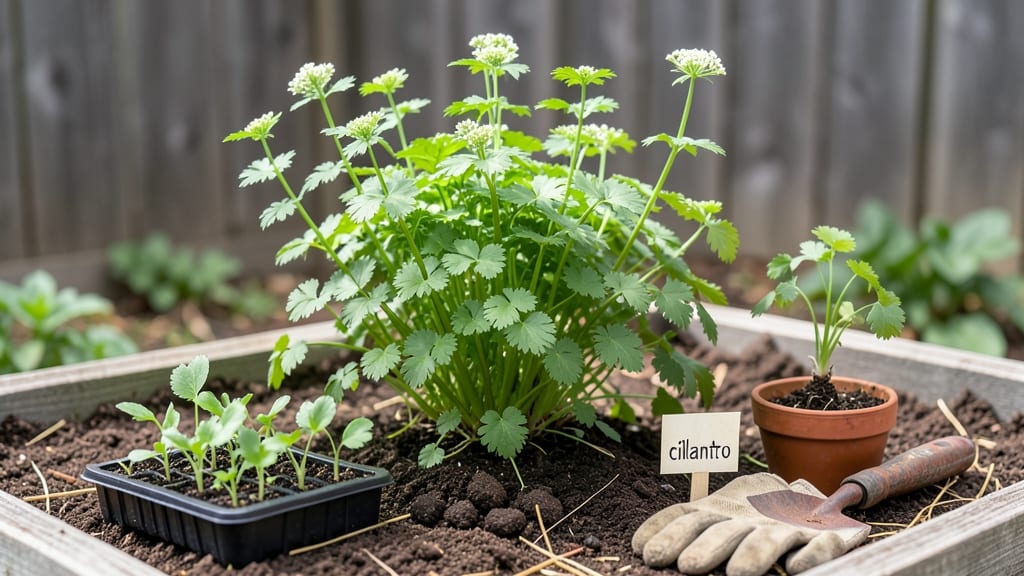
Timing your cilantro planting just right in Ohio could mean the difference between a thriving garden full of fresh 🌿 and a sad, bolted disappointment. The key to growing cilantro successfully here lies in understanding Ohio's frost-free window and how to outsmart the heat that causes cilantro to bolt.
With Ohio's 6a climate, you've got two prime planting windows: March-April for spring and August-September for fall. These months give cilantro the cool weather it craves while avoiding the summer heat that triggers bolting. But getting the timing right isn't just about the calendar—it's about reading your local microclimate too.
I'll show you exactly how to work with Ohio's 165 frost-free days to maximize your harvest. We'll cover when to plant for the best results, how to prevent bolting in warmer months, and even how to extend your harvest season.
Whether you're a seasoned gardener or just starting out, these tips will help you grow cilantro that's fresh and flavorful all season long.
Ready to transform your garden into a cilantro powerhouse? Let's dive into the perfect planting schedule that works with Ohio's climate, not against it. You'll learn the exact dates, soil prep tips, and spacing advice to keep your cilantro happy and productive from spring through fall.
Ohio’s frost-free planting window for cilantro: exact dates & zones
Ohio’s climate—with its USDA zones 5-7 and unpredictable frost dates—demands precision when planting cilantro. The key is timing your seeds 2-3 weeks after your last frost date, typically between mid-April and early May for most of the state.
In northern Ohio (zones 5-6), wait until May 1 to be safe, while southern Ohio (zone 7) can start as early as April 15.
Microclimates matter too! Urban areas like Columbus or Cleveland often experience frost 1-2 weeks later than rural spots. Check your local Cooperative Extension office for hyper-local frost data—it’s your best tool for avoiding frost damage or premature bolting from heat stress.
For a second harvest, sow cilantro again in late summer (August). This fall crop thrives in Ohio’s cooler autumn air, giving you fresh leaves until the first frost (mid-October). Just avoid planting after September 15—seeds may not germinate before winter sets in.
| Zone | Last Frost Date | Ideal Planting Window | First Frost Risk |
|---|---|---|---|
| Northern Ohio (5-6) | May 1 | April 20–May 10 | High until May 15 |
| Central Ohio (6) | April 25 | April 10–April 30 | Moderate until May 5 |
| Southern Ohio (7) | April 15 | March 25–April 15 | Low after April 20 |
| Fall Planting (All Zones) | October 15 | August 15–September 15 | None after Sept 15 |
Pro tip: Use black plastic mulch to warm soil faster in spring, or row covers to protect seedlings from late frosts. These tricks let you plant 1-2 weeks earlier without risking damage.
Soil temperature is your secret weapon. Cilantro germinates best in soil between 60°F–70°F. Use a soil thermometer—if temps dip below 50°F, germination slows dramatically. In Ohio, this usually means waiting until mid-April for reliable results.
For container gardening, start seeds indoors 4-6 weeks before your last frost (by March 15 in most of Ohio). Move pots outside only after nighttime temps stay above 45°F consistently. This gives you a head start on the season and avoids the "waiting game" of direct sowing.
Remember: Cilantro’s bolt-resistant window is narrow—just 4-6 weeks of ideal temps. Miss the mark, and you’ll end up with bitter leaves or flowers instead of fresh herbs. Plan ahead!
If you’re in Zone 6a (like Columbus), aim for April 10–May 1 for spring and August 20–September 10 for fall. Adjust by ±5 days based on your microclimate—your cilantro will thank you with bold, flavorful growth.
Ohio’s frost-free planting window for cilantro: exact dates & zones
Ohio’s USDA zones 5-7 create a tricky balance for cilantro lovers. The herb thrives in cool weather but bolts when temperatures rise above 75°F.
Knowing your exact last frost date is critical—most of Ohio sees frost until mid-April, but urban areas like Columbus may warm up 1-2 weeks earlier than rural zones.
For spring planting, aim for late March to early April after the last frost. This gives cilantro 60-70 days of cool weather before summer heat arrives.
In southern Ohio (zone 7), you might push planting to mid-April, but northern areas (zone 5) should wait until early May to avoid frost damage.
| Zone | Last Frost Date | Ideal Planting Window | First Harvest |
|---|---|---|---|
| 5 (Northern OH) | April 20–May 1 | Late April–Early May | June 15–July 1 |
| 6a (Central OH) | April 10–15 | Late March–Early April | May 15–June 1 |
| 7 (Southern OH) | March 25–April 5 | Mid-March–Mid-April | April 30–May 15 |
Fall planting offers a second chance for cilantro in Ohio. Seed August 1–15 for a harvest before the first frost (mid-October). This window gives cilantro 60 cool days to mature without bolting. In northern Ohio, extend planting to early September for a late fall harvest.
Microclimates matter! Urban areas with concrete heat absorption may need to plant 2 weeks earlier than rural zones. Test your soil temperature—cilantro bolts when soil exceeds 70°F. Use a soil thermometer to monitor and adjust planting times accordingly.
For container growing, start seeds indoors 4–6 weeks before your last frost date. Transplant seedlings outdoors when soil reaches 45–55°F. This method extends your growing season by 2–3 weeks and gives you an earlier harvest.
Remember: Succession planting every 2 weeks in spring and fall ensures a continuous supply of fresh cilantro. Space seeds ½ inch apart and thin to 6 inches when seedlings emerge to prevent overcrowding.