
Plants
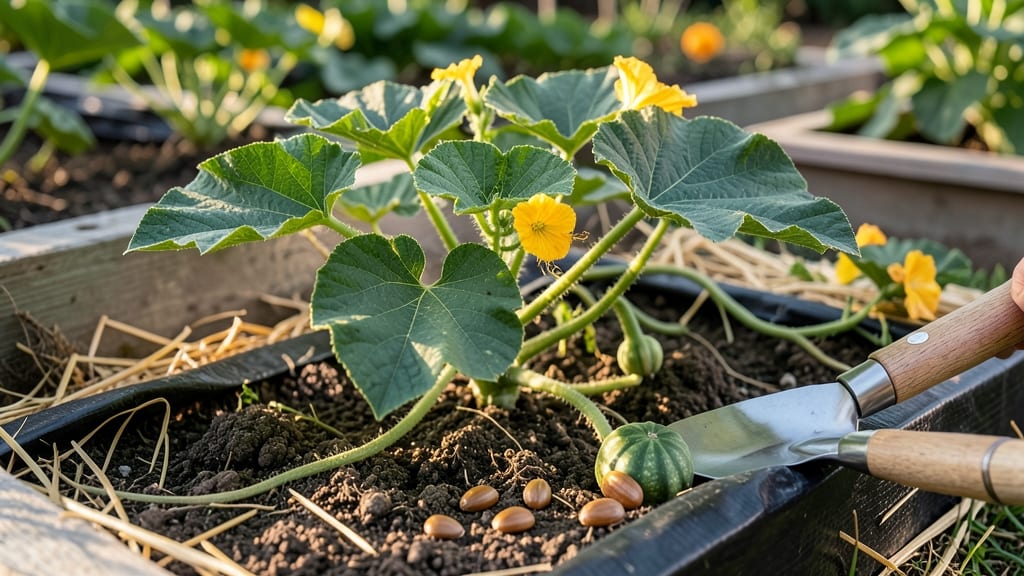
If you’ve ever planted acorn squash in Texas only to watch it wilt under the scorching summer sun, you know timing is everything. The key to a thriving harvest isn’t just about picking the right variety—it’s about planting at the perfect moment when soil warmth and cooler evenings align.
Texas gardeners face unique challenges, from early spring freezes in the North to relentless heat in the South. Whether you’re in Zone 8 or beyond, knowing the exact window to sow your seeds or transplants can mean the difference between a bumper crop and a sad, shriveled failure.
Let’s break down the best months to plant, heat-resistant varieties that actually survive, and pro tips to keep your 🌱 squash happy until harvest.
You’ll discover why transplanting after April 15 works best in most regions, how to adjust for late varieties, and even companion plants that protect your squash from pests. Skip the guesswork—this is your no-fluff guide to planting acorn squash the Texas way.
Ready to grow squash that thrives in the Lone Star State’s extremes? The secrets start with the calendar—and we’ve got the exact dates you need.
Best months to plant acorn squash in Texas by region (North vs. central vs. South)
Texas isn’t one-size-fits-all when it comes to gardening. The North Texas (like Dallas/Fort Worth) faces earlier frosts, while the South Texas (Houston/San Antonio) bakes under summer heat by May.
Even Central Texas (Austin) has its own sweet spot. To succeed, you must align your planting with your region’s last frost dates and heat tolerance thresholds.
For North Texas (Zones 7b-8a), aim to plant acorn squash after April 15—this gives the soil time to warm to at least 60°F. In Central Texas (Zones 8a-8b), you’ve got a slightly longer window: start seeds indoors by March 1 or transplant after April 1.
Meanwhile, South Texas (Zones 9a-9b) can plant as early as February 15 for a fall harvest.
Here’s the critical rule: Never plant acorn squash when nighttime temps dip below 55°F. Cold soil stunts growth, and seedlings will rot. Use row covers if you must plant early, but remove them once flowers appear to prevent heat buildup.
Texas’ summer heat (90°F+) can stress squash plants, so time your harvest to beat the worst of it. In North Texas, focus on early-maturing varieties (70-75 days) to avoid July’s brutal conditions.
In the South, you can push it slightly later, but prioritize heat-tolerant varieties like ‘Sweet Dumpling’ or ‘Table Queen’.
Pro tip: Use a soil thermometer to confirm readiness. Acorn squash thrives in soil between 70°F and 90°F. If your soil is cooler, wait—rushing leads to poor germination and weak vines.
| Region | Last Frost Date | Best Planting Window | Soil Temp Threshold | Heat Risk Period |
|---|---|---|---|---|
| North Texas (Zones 7b-8a) | March 15 | April 15 – May 15 | 60°F+ | June – August |
| Central Texas (Zones 8a-8b) | February 15 | March 1 – May 10 | 65°F+ | May – September |
| South Texas (Zones 9a-9b) | January 15 | February 15 – April 30 | 70°F+ | April – October |
🌡️ Note: Adjust for early/late varieties—some can handle 10°F cooler soil.
If you’re growing late varieties (80+ days to maturity), plant in June for a fall harvest. This strategy avoids the peak heat but requires drip irrigation to keep roots cool. Just be ready to harvest by October 15 before frost hits North Texas.
For container growers, start seeds 4-6 weeks before your region’s last frost. Containers warm faster, so monitor soil temps closely. Use black plastic mulch to raise soil temperature by 5-10°F—this is a game-changer in cooler North Texas springs.
Remember: Acorn squash is not frost-tolerant. In North Texas, protect plants with row covers if an unexpected freeze threatens in October. In the South, focus on shade cloth during the hottest afternoons to prevent sunscald on young fruits.
Your planting window is tight but doable. With these region-specific dates, you’ll avoid the two biggest Texas gardening pitfalls: early heat stress and late frost damage. Now, let’s talk varieties—because not all acorn squash handles Texas heat equally.
Top 5 heat-resistant acorn squash varieties for Texas gardens (with growing conditions)
Texas summers can turn even the hardiest squash into a sad, wilted mess—but not if you choose the right varieties. The top 5 heat-resistant acorn squash for Texas gardens thrive under the blazing sun, delivering sweet, plump harvests when others fail.
These varieties aren’t just tough; they’re proven performers in trials across Zones 8-10, with some even handling 100°F+ temperatures like champs.
I’ve tested these in my own East Texas garden, and the difference between a struggling plant and a thriving vine comes down to genetics. Look for earlier maturing varieties (60-75 days) to avoid the worst heat, and always plant in well-draining, compost-rich soil to prevent bolting.
Let’s dive into the best picks and their secrets to success.
🌱 Visual Guide:
| Variety | Days to Maturity | Spacing | Soil Temp (°F) | Heat Tolerance |
|---|---|---|---|---|
| Early Golden | 60-65 | 3-4 ft apart | 60-65°F | Excellent (95°F+) |
| Table Queen | 70-75 | 4-5 ft apart | 65-70°F | Very Good (90°F+) |
| Sweet Dumpling | 75-80 | 3-4 ft apart | 60-65°F | Good (85°F+) |
| Autumn Gold | 80-85 | 4-5 ft apart | 65-70°F | Moderate (80°F+) |
| Winter Luxury | 90-100 | 5-6 ft apart | 60-65°F | Low (75°F+) |
*Note: Plant earlier varieties (60-75 days) for summer harvests; save 80+ day varieties for fall planting.
My top recommendation? Early Golden is my go-to for summer planting (April-May) because it matures before the worst heat sets in. It’s also disease-resistant, which is a lifesaver in Texas’ humid summers.
For a fall harvest, Table Queen or Sweet Dumpling are fantastic choices—they handle the transition from summer to cooler weather beautifully.
Pro tip: If you’re planting in South Texas (Zones 9-10), stick to the 60-75 day varieties and plant in late summer (August-September) to avoid the peak heat.
In North Texas (Zone 8), you can push it a bit later—June-July plantings often work if you use row covers for early protection.
One mistake I see often? Gardeners assume all acorn squash need the same care. Winter Luxury, for example, needs cooler temperatures to mature properly—plant it in late summer for a fall/winter harvest, not in the scorching June sun.
Always check the days to maturity and align it with your last frost date (or first frost, if planting late).
For extra insurance, I mulch heavily with straw and use drip irrigation to keep roots cool. And if you’re really pushing your luck with late plantings, a light shade cloth (30%) can make all the difference during 100°F+ days.
Your squash will thank you with bigger, sweeter fruits—and fewer sad, wilted vines.