
Trees
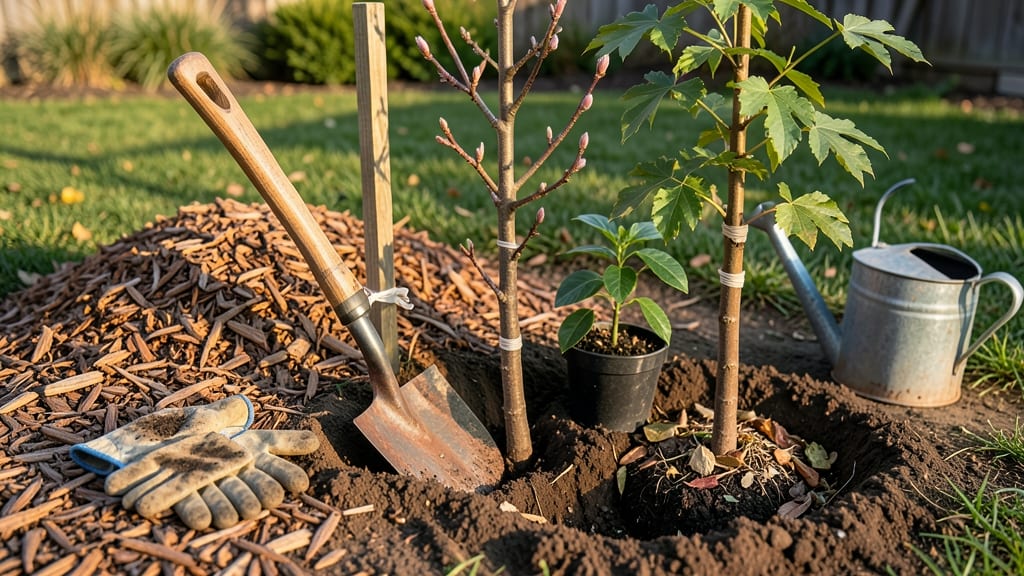
Timing your fruit trees planting in Central Texas can mean the difference between a thriving orchard and a sad, wilted sapling. The brutal summer heat and unpredictable winters demand precision—plant too early, and your trees will scorch; too late, and they’ll struggle to establish roots before the next heatwave hits.
You’re not just picking a month; you’re choosing a survival strategy for your 🍎🍑🍊. Late winter, when temperatures hover in the 50s-60s°F, is your sweet spot—typically February to March—when the soil is workable but the worst heat is still months away.
This window gives young trees the critical 90 days they need to root deeply before summer’s relentless sun.
But here’s the catch: not all fruit trees are created equal. Peaches and plums need chilling hours, while figs and pomegranates can handle the heat.
I’ll walk you through the exact varieties that thrive in USDA Zones 8a-8b and how to adjust for microclimates—whether you’re in Austin’s urban sprawl or Waco’s limestone soil.
Ready to plant with confidence? Let’s dive into the step-by-step schedule, soil prep secrets, and post-planting care that’ll set your fruit trees up for a bountiful harvest—not just this year, but for decades to come.
Best months to plant fruit trees in Central Texas (by variety and climate zone)
Central Texas’s USDA Zones 8a and 8b create a unique challenge for fruit tree planting—scorching summers and occasional late frosts demand precision. The ideal window is late winter, when soil warms but bud break hasn’t begun.
For most varieties, this means February through early March, aligning with the last average frost date of March 15.
Bare-root trees thrive best in this window because they establish roots before the heat arrives.
Container-grown trees offer flexibility—you can plant them year-round, but avoid peak summer months (June–August) when roots can bake in the soil. Microclimates matter: Austin’s urban heat islands may push planting to January–February, while Waco’s slightly cooler nights extend the window to March.
🌱
🌳 Central Texas Fruit Tree Planting Guide
| Variety | Best Planting Window | Chilling Hours Needed | Key Consideration |
|---|---|---|---|
| Peach ('Elberta', 'Redhaven') | Late January–February | 300–500 hours | Plant north side of house to delay spring warmth. |
| Fig ('Celeste', 'Brown Turkey') | February–March (or fall) | 0–200 hours | Tolerates heat but needs well-draining soil. |
| Pomegranate ('Wonderful') | March–April | 200–400 hours | Avoid waterlogging; prefers limestone-rich soil. |
| Persimmon ('Black Pearl') | February–March | 300–500 hours | Needs full sun and protection from strong winds. |
| Loquat ('Big Jim') | January–February | 150–300 hours | Slow-growing; plant in sheltered spots. |
| Plum ('Santa Rosa') | Late January–February | 400–600 hours | Prune suckers aggressively to avoid disease. |
🌡️ Pro Tip: Check your local first bloom dates—plant 4–6 weeks before to avoid stress.
For citrus varieties like Meyer lemon or Satsuma orange, shift planting to late winter (February) or early spring. These trees need consistent moisture and struggle with Central Texas’s caliche soil. Amend planting holes with compost and sand to improve drainage.
If you miss the ideal window, fall planting (October–November) is a secondary option for container-grown trees. However, avoid planting after April 15, as young roots won’t establish before the 100°F+ summers arrive. Always water deeply after planting—new roots need moisture to penetrate clay-heavy soils.
🌿
One common mistake? Planting stone fruits (peaches, plums) in low-lying areas where cold air pools. Instead, choose south-facing slopes or raised beds to warm the soil faster in spring. For drought-prone varieties like pomegranates, mulch heavily with wood chips to retain moisture during the critical first 90 days.
💧
Remember: Bare-root trees need their roots soaked for 2–4 hours before planting, while container-grown trees should have their pots watered the day before. Stake young trees immediately—Central Texas’s summer storms can uproot shallow roots.
With the right timing and care, your fruit trees will reward you with harvests from June through October.
Heat-tolerant fruit tree varieties that thrive in Central Texas (and when to avoid them)
Central Texas’s 100°F summers and freeze-prone winters rule out many fruit trees—but some varieties are built for the challenge. The key? Choosing heat-adapted types with low chilling hours (under 300 hours) and drought tolerance.
Figs, pomegranates, and certain peaches and plums dominate local orchards because they survive the heat while still producing abundant fruit.
For example, ‘Celeste’ figs thrive in USDA Zone 8a and ripen by August, while ‘Black Pearl’ persimmons handle 105°F+ temps without wilting. Meanwhile, ‘Elberta’ peaches (with 300-400 chilling hours) need February planting to avoid winter dieback.
I’ll break down the top 5 varieties, their ideal planting windows, and the mistakes to avoid—like planting water-intensive citrus in limestone soil.
🌱 Top Heat-Tolerant Fruit Trees for Central Texas
Pros: Heat-loving, drought-tolerant, year-round harvest.
Cons: Needs well-draining soil; avoid clay.
Plant: February-March
Pros: Sweet fruit, 300+ chilling hours.
Cons: Needs cross-pollination; prone to bacterial spot.
Plant: January-February
Pros: Drought-resistant, low-maintenance.
Cons: Slow growth; needs full sun.
Plant: February-March
Pros: Heat-tolerant, disease-resistant.
Cons: Needs 200+ chilling hours.
Plant: January-February
Pros: Fast-growing, edible berries.
Cons: Can be invasive; needs pruning.
Plant: February-April
⚠️ Avoid These: Citrus (needs winter protection), apples (high chilling needs), cherries (susceptible to heat stress).
Here’s the critical rule: Bare-root trees must go in the ground by late February—before buds swell—to prevent transplant shock. Container-grown trees, however, can handle April planting if you water deeply every 3-5 days.
I’ve seen gardeners in Waco’s limestone soil struggle with peaches because they didn’t amend the alkaline pH (aim for 6.0-7.0 with gypsum or sulfur).
One common mistake is planting drought-sensitive varieties like plums without mulch. In Austin’s clay-heavy soil, I recommend 3-4 inches of wood chips to retain moisture. For figs and pomegranates, straw mulch works best—it insulates roots during 100°F+ heat while keeping weeds at bay.
Pro tip: If you’re in a microclimate (like a north-facing yard in San Marcos with cooler winters), you can push peach planting to March. But if your area gets hard freezes (like Temple’s Zone 8a), stick to January-February for bare-root varieties.
The last frost date (around March 15) is your hard cutoff for dormant planting.
Remember: Heat tolerance ≠ drought tolerance. Even figs need deep watering every 7-10 days during establishment. Once your trees hit 3 years old, they’ll survive on rainfall alone—but the first 90 days are make-or-break.
Plant at the right time, and you’ll be picking fruit in 2-3 years instead of waiting a decade.