
Plants
Optimal planting months for Texas watermelon by region (with exact dates)
Texas spans three distinct climate zones, each with unique frost risks and soil warming patterns.
In North Texas (Dallas/Fort Worth), the last frost typically hits around February 15, while South Texas (Houston/Beaumont) enjoys frost-free conditions year-round. Central Texas (Austin/San Antonio) falls in between, with last frosts around February 1.
Timing your watermelon planting to align with these zones is critical for avoiding frost damage or heat stress.
Watermelons thrive when soil temperatures reach at least 70°F (21°C). In Texas, this usually occurs between mid-March and early May for spring plantings, with a second window in late July to early August for fall harvests. Direct sowing is preferred over transplants, as watermelon roots are sensitive to disturbance.
However, if you start seeds indoors, transplant seedlings only after soil warms to 75°F (24°C).
Here’s how to align your planting with Texas’s three key regions—including exact dates and soil temperature benchmarks to maximize your harvest:
| Region | Last Frost Date | Optimal Planting Window | Soil Temp Requirement | Harvest Window |
|---|---|---|---|---|
| North Texas (Dallas/Fort Worth) | February 15 | Mid-April to early May | 70°F+ (21°C+) | June to August |
| Central Texas (Austin/San Antonio) | February 1 | Late March to early April | 70°F+ (21°C+) | May to July |
| South Texas (Houston/Beaumont) | None (frost-free) | Mid-March to early April OR late July to early August | 70°F+ (21°C+) | April to June OR September to October |
For North Texas gardeners, the window is tight—plant too early, and a late frost can kill seedlings. Use black plastic mulch to warm the soil faster and create a microclimate.
In Central Texas, you can start slightly earlier, but avoid planting before late March unless you’re using row covers to protect young plants. South Texas offers the most flexibility, but summer heat can stress watermelons, so opt for heat-resistant varieties like 'Sugar Baby' for fall plantings.
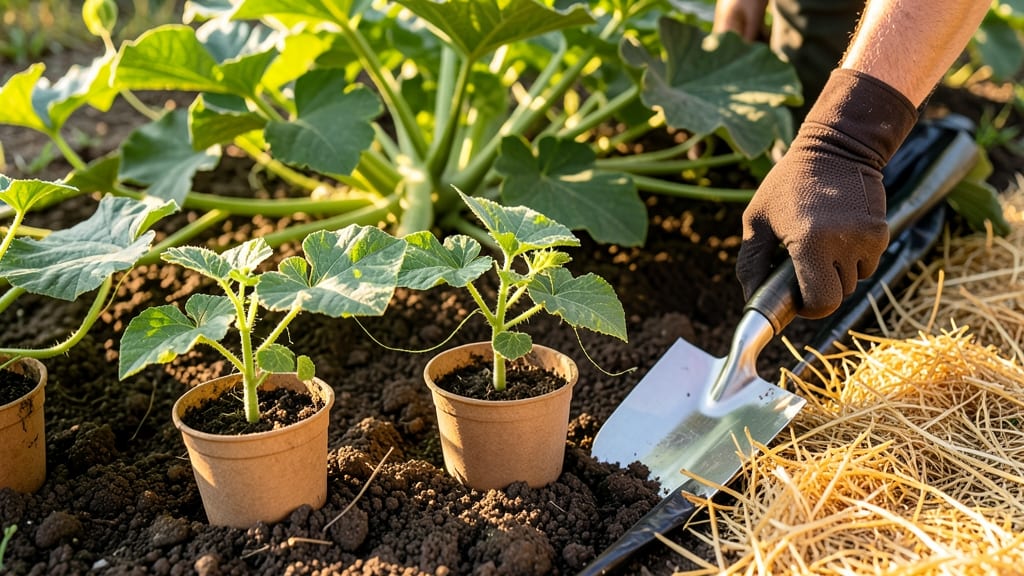
If you’re transplanting seedlings, start them indoors 4-6 weeks before your region’s last frost date. Use biodegradable pots to avoid root disturbance when moving them outside. Harden off seedlings by exposing them to outdoor conditions for 1-2 hours daily over a week, gradually increasing exposure.
This step is crucial in North Texas, where temperature swings can shock young plants.
Pro tip: Use a soil thermometer to confirm soil temperatures before planting. Watermelon seeds won’t germinate below 60°F (15°C), and growth slows dramatically below 70°F (21°C).
In South Texas, where summer heat arrives early, consider a shade cloth for young plants to prevent heat stress during the transition from spring to summer.
For a fall harvest, aim to plant watermelons in late July across all regions. This timing ensures fruits mature before first frost (December 1 in North Texas, November 30 in South Texas).
Fall-planted watermelons often produce sweeter, smaller fruits due to shorter daylight hours, but they’re less prone to powdery mildew, a common summer issue in Texas.
Regardless of your region, avoid planting watermelons in June unless you’re in South Texas. The intense heat can cause bolting (premature flowering) or blossom-end rot, both of which reduce yield. Instead, focus on soil preparation—watermelons thrive in well-draining, sandy loam with a pH of 6.0-6.8.
Amend heavy clay soils with compost or sand to improve drainage and prevent root rot.
Finally, remember that microclimates matter. A spot near a building or fence may warm up faster than your yard’s average, giving you an earlier planting window. Use this to your advantage by planting heat-loving varieties in the warmest part of your garden.
With the right timing and variety, you’ll be enjoying homegrown Texas watermelons from June through October! 🍉
Optimal planting months for Texas watermelon by region (with exact dates)
Texas’ diverse climate means your watermelon planting window depends entirely on where you live. In North Texas (Dallas/Fort Worth), the last frost typically hits around February 15, but soil needs to warm to 70°F+—usually by mid-April.
Meanwhile, South Texas (Houston/Beaumont) can plant as early as late February since frost is rare, but hurricanes in summer may disrupt growth.
For Central Texas (Austin/San Antonio), aim for late March to early April—this balances frost risk and heat tolerance. Pro tip: Use a soil thermometer to confirm readiness; watermelon seeds won’t germinate below 65°F, and vines struggle in 90°F+ without shade.
| Region | Last Frost Date | Ideal Planting Window | Soil Temp Requirement | Key Risk |
|---|---|---|---|---|
| North Texas (Dallas/Fort Worth) | February 15 | Mid-April to early May | 70°F+ (21°C) | Late frosts |
| Central Texas (Austin/San Antonio) | February 1 | Late March to early April | 68°F+ (20°C) | Heat stress |
| South Texas (Houston/Beaumont) | January 1 | Late February to March | 72°F+ (22°C) | Hurricane season |
Don’t overlook fall planting! In most of Texas, you can sow watermelon seeds again in late July to early August for a late-summer harvest. This works because daytime temps drop slightly by September, reducing heat stress.
Just avoid planting after August 15 in North Texas—melons won’t mature before frost.
For transplanting seedlings, wait until they’re 2-3 weeks old and hardy. Harden them off by placing them outside for 3-4 hours daily for a week before transplanting. Choose cloudy days to reduce transplant shock, and water deeply afterward to settle roots in well-draining soil.
Texas’ 100°F+ summers demand preparation. Use black plastic mulch to warm soil faster in spring, and shade cloth (30-50%) to protect vines during peak heat. Even heat-resistant varieties like 'Sugar Baby' need these adjustments to thrive.
Pro move: Plant a second crop in June if your first planting fails. Use fast-maturing varieties (60-70 days to harvest) like 'Black Diamond' to beat the heat. Just monitor for powdery mildew—Texas humidity is its worst enemy.