
Plants
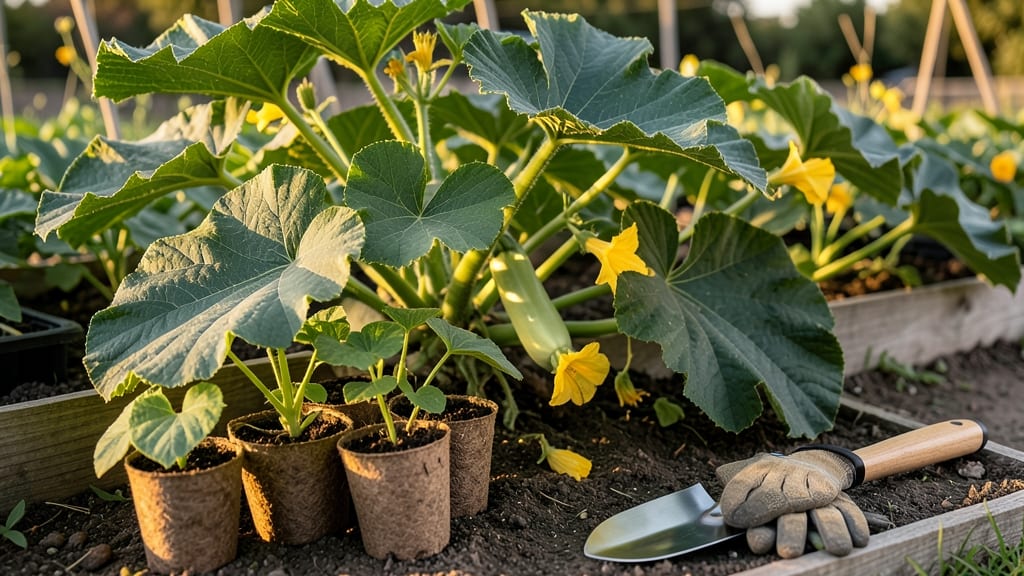
If you're a Texas gardener eager to grow 🎃 squash, timing your planting is the single most important factor for a successful harvest. Plant too early, and frost can wipe out your seedlings; too late, and the blazing summer sun might stunt your crop before it even starts.
The key lies in understanding your specific region's microclimate—whether you're in North Texas with its cooler springs or South Texas where the heat arrives early.
Most gardeners in 8a-10b zones can start squash seeds as early as late February in South Texas or hold off until June-July for summer varieties that thrive in the heat. But here's the game-changer: soil temperature matters just as much as calendar dates.
Your squash won't germinate properly until the ground reaches at least 60°F, which often means waiting until after the last frost—typically mid-March in Central Texas or even April in North Texas.
What you'll discover in this guide are the exact planting windows tailored to your Texas region, plus the heat-tolerant varieties that perform best in our extreme summers.
We'll also cover soil prep secrets and watering strategies to ensure your squash plants flourish from seed to harvest—no matter where you garden in the Lone Star State.
Ready to grow squash that outpaces the heat? Let's dive into the precise months and methods that will transform your garden into a productive patch of summer sunshine.
Best planting months for squash in Texas by region (exact calendar guide)
Texas spans three distinct gardening regions, each with unique frost dates and heat patterns. North Texas (like Dallas) has later last frosts (around February 15), while South Texas (Houston area) sees earlier spring warmth—perfect for early planting.
Central Texas (Austin) falls in between, with March 15 as the average last frost date.
Squash thrives in warm soil (at least 60°F), so timing your plantings around these dates ensures strong germination. For spring squash (zucchini, yellow squash), aim to plant 2-4 weeks before your last frost.
For summer varieties (like butternut or pumpkin), wait until June-July when soil temps are consistently above 70°F.
Here’s how to align your planting with Texas’ three key regions—plus the best methods for direct sowing vs. transplants.
🌱 Texas Squash Planting Guide by Region
| Region | Last Frost Date | Ideal Planting Window | Summer Planting Window | Soil Temp Requirement | Method |
|---|---|---|---|---|---|
| North Texas (Dallas/Fort Worth) | Feb 15 | March 1 - April 15 | June 15 - July 15 | 60°F+ | Direct sow or transplant |
| Central Texas (Austin/San Antonio) | March 15 | March 15 - April 30 | June 1 - July 31 | 65°F+ | Direct sow preferred |
| South Texas (Houston/Corpus Christi) | Feb 1 | Feb 15 - March 31 | May 15 - July 15 | 70°F+ | Direct sow only |
🌡️ Pro Tip: Use a soil thermometer to confirm temps before planting—cold soil delays germination.
For spring plantings, focus on zucchini and yellow squash, which mature quickly (45-55 days). These varieties tolerate mild cool spells better than winter squash. In North Texas, start seeds indoors in late February for transplants ready by March 1.
In Central and South Texas, you can direct-sow as early as February for South Texas or March 15 for Central Texas. Use black plastic mulch to warm soil faster in cooler zones. This trick adds 5-7°F to soil temperature, speeding up germination.
Summer plantings (June-July) are ideal for heat-loving varieties like butternut or pumpkin squash. These need consistent moisture and afternoon shade in Texas’ peak summer heat (often exceeding 100°F). Use drip irrigation to keep roots cool and avoid fungal diseases like powdery mildew.
Texas gardeners often make the mistake of planting too early in North Texas, risking frost damage. Instead, wait until soil temps stay above 60°F for 3+ days.
For fall harvests, plant summer varieties in late July—they’ll mature before first frost (December in North Texas, November in Central, January in South).
One game-changer for Texas squash growers is succession planting. Sow new seeds every 2 weeks from March through July to stagger harvests and avoid glutting your kitchen. This works especially well for bush varieties like 'Eight Ball' zucchini, which take up less space.
Remember: Texas’ humid summers can stress squash vines. Choose disease-resistant varieties (like 'Defender' zucchini) and space plants 3-4 feet apart for airflow. In South Texas, where humidity is highest, raise beds 6 inches to improve drainage and reduce fungal risks.
Finally, mark your calendar for Texas A&M’s AgriLife Extension frost alerts—these updates adjust yearly based on microclimate shifts. With the right timing, you’ll enjoy homegrown squash from June through November, even in the Lone Star State’s harshest conditions. 🎃
Best planting months for squash in Texas by region (exact calendar guide)
Texas’ diverse climate means squash planting times vary dramatically from North Texas to South Texas. In North Texas (USDA Zones 7b-8a), like Dallas or Fort Worth, wait until mid-April after the last frost (typically around March 15).
Meanwhile, Central Texas (Zones 8a-8b), including Austin, can start as early as late February, while South Texas (Zones 9a-10b), like Corpus Christi, enjoys a longer window—planting January through March is safe.
For summer squash varieties like zucchini, aim for June-July planting to avoid the 100°F+ heat that can stress young plants. Fall squash, such as butternut or pumpkin, thrive when planted June-August for a September-November harvest before cooler weather sets in.
⚠️ NON-NEGOTIABLE: Your response WILL BE REJECTED if you do not include the "comparison-table" visual element.
| Region | Last Frost Date | Spring Planting Window | Summer Planting Window | Soil Temp Requirement |
|---|---|---|---|---|
| North Texas | Mid-March | Mid-April to May | June-July | 60°F+ |
| Central Texas | Late February | Late February to April | May-June | 65°F+ |
| South Texas | Early February | January-March | April-May | 70°F+ |
🌱 Key Tip: Use a soil thermometer to confirm soil warmth before planting!
Direct-sow seeds 1 inch deep in hills spaced 3-4 feet apart for optimal airflow and disease prevention. Transplants can go in 2-3 weeks earlier if you start indoors, but Texas’ long growing season often makes direct sowing the best bet.
Avoid planting when soil temps drop below 60°F, as cold soil can stunt germination.
For North Texas gardeners, consider row covers to extend the season if planting early. In South Texas, focus on heat-tolerant varieties and provide afternoon shade during the hottest months (July-August) to prevent bolting. Mulch heavily with straw or leaves to retain moisture and regulate soil temperature.
Timing isn’t just about months—it’s about heat tolerance. Summer squash planted in June-July will mature just as temperatures start cooling in September-October, while fall varieties benefit from the milder autumn weather.
Always check your local extension office for microclimate-specific advice—even a few miles can mean different frost dates!
🌿 Pro Tip: Plant a sacrificial crop like radishes or lettuce around squash to attract pests away from your main harvest.