
Plants
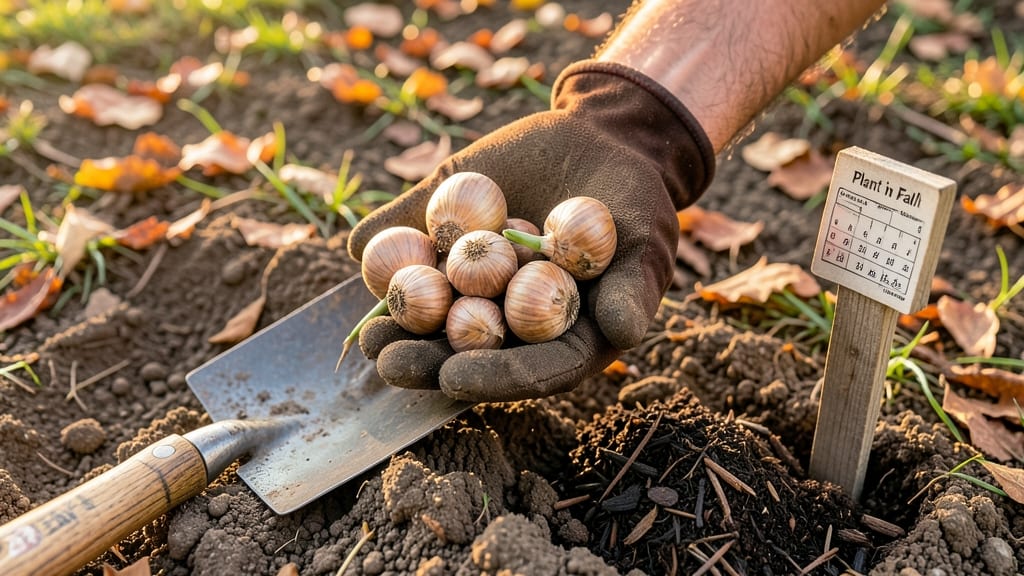
Planting tulips in North Carolina at the wrong time can turn your dream garden into a flop—leaving you with weak stems and sad, drooping blooms instead of the vibrant 🌷 displays you envisioned. The key to success lies in understanding your local climate and timing those bulbs just right.
With North Carolina's mild winters and varying frost dates across zones 7a-8b, getting the timing perfect is more important than you might think. Plant too early, and your tulips might bolt before winter sets in. Too late, and they won't establish strong roots before spring arrives.
I'll show you exactly when to plant for zero risk of bolting—whether you're in the coastal plains or the mountain regions—plus how to prepare your soil and care for your bulbs once they're in the ground. Let's make this your best tulip season yet.
By following these exact months and simple care tips, you'll be rewarded with tulips that burst forth in April-May with all the strength and beauty you deserve. Ready to transform your garden?
North Carolina tulip planting calendar: exact months to avoid bolting
North Carolina’s mild winters and humid summers create a unique challenge for tulip growers. Planting at the wrong time can trigger premature growth—those weak stems you dread—while perfect timing ensures bold blooms that last all spring. The key? Understanding your USDA zone (7a-8b) and local frost patterns.
Most gardeners in NC should plant tulips between mid-October and mid-December, but your exact window depends on whether you’re in the Coastal Plain, Piedmont, or Mountains.
Coastal areas (like Wilmington) have warmer winters and may need to plant earlier, while the Mountains (Asheville) can wait until late November.
Here’s the golden rule: plant when soil temperatures drop to 50-60°F and 4-6 weeks before the first hard frost. This gives bulbs time to root before winter dormancy. In NC, that typically means October for Coastal, November for Piedmont, and December for Mountains.
| Region | USDA Zone | Best Planting Window | Soil Temp Threshold | Frost Risk |
|---|---|---|---|---|
| Coastal Plain | 7b-8a | Mid-October to early November | 50-55°F | Low (warmer winters) |
| Piedmont | 7a-7b | Late October to mid-November | 55-60°F | Moderate |
| Mountains | 6b-7a | November to early December | 60°F+ | High (colder winters) |
✅ Pro Tip: Use a soil thermometer to confirm temps before planting.
Why does timing matter so much? Tulip bulbs need cold stratification—a period of chilly weather—to trigger blooming. Plant too early in warm soil, and they’ll sprout prematurely, only to wilt in a late frost. Plant too late, and they won’t establish roots before winter.
If you miss the fall window, you can plant in January (but expect smaller blooms). Avoid spring planting entirely—tulips planted in March or April rarely bloom the same year. For year-round color, stagger plantings in October, November, and December to extend your bloom season.
NC’s humid climate also means you’ll need to mulch heavily after planting to protect bulbs from freeze-thaw cycles and soil heaving. Use 4-6 inches of straw or shredded leaves once the ground freezes. Remove mulch in early spring to prevent rot.
Watch for early signs of growth in late winter—those green shoots mean your bulbs are ready to bloom! In NC, tulips typically flower between mid-April and early May, just in time for spring garden parties. 🌷
For longer-lasting blooms, choose late-season varieties like ‘Darwin Hybrid’ tulips, which handle NC’s heat better than classic Dutch types. Pair them with daffodils (which deer avoid) to reduce pest pressure in your beds.
Remember: Well-timed tulips in NC aren’t just about pretty flowers—they’re a low-maintenance way to brighten your garden with minimal fuss. Just plant in the right window, protect them from pests, and let nature do the rest! 🌿
North Carolina tulip planting calendar: exact months to avoid bolting
North Carolina’s USDA zones 7a-8b create a unique challenge for tulip growers. Unlike colder climates, our mild winters mean bulbs can start growing too early if planted at the wrong time.
The ideal window is late fall—when soil temperatures drop below 60°F but before the ground freezes. This timing ensures bulbs establish roots without sprouting prematurely.
For most of North Carolina, October through December is prime planting time. However, your exact location matters. Coastal areas (like Wilmington) have longer growing seasons, while mountain regions (like Asheville) experience earlier frosts. Let’s break it down by region to get your timing perfect.
Here’s what you need to know before digging in: Plant bulbs 6-8 inches deep and 4-6 inches apart in well-draining soil. The goal is to give them enough time to root before winter sets in, but not so early that they start growing too soon.
This balance is key to avoiding those dreaded floppy stems.
| Region | USDA Zone | Best Planting Month | Soil Temp Threshold | Frost Note |
|---|---|---|---|---|
| Coastal Plains (e.g., Wilmington) | 8a-8b | Late October - November | Below 60°F | Last frost: Mid-April |
| Piedmont (e.g., Raleigh, Charlotte) | 7a-7b | October - Early December | Below 55°F | Last frost: Early April |
| Mountains (e.g., Asheville, Boone) | 6a-7a | September - October | Below 50°F | Last frost: Late March |
If you miss the fall window, don’t panic—you can still plant tulips in early January for a late spring bloom. However, bulbs planted this late may not have enough time to establish strong roots, so expect slightly smaller flowers. For the best results, aim for that October-December sweet spot.
Pro tip: Use a soil thermometer to monitor temperatures. Once they consistently stay below 60°F for a week, it’s time to plant. This simple tool can save you from bolting disasters and ensure your tulips store energy properly over winter.
After planting, cover the area with 2-3 inches of mulch to insulate bulbs and protect them from temperature swings. This extra layer helps prevent heaving during freeze-thaw cycles, keeping your tulips snug until spring.
With the right timing and care, you’ll be rewarded with bold, vibrant blooms that brighten up your garden from April through May. 🌷