
Plants
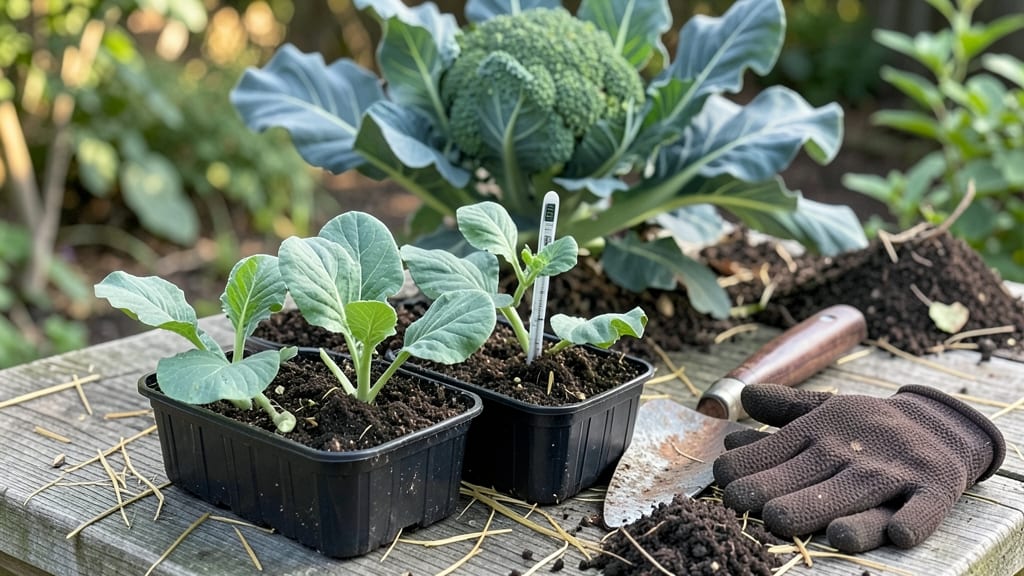
Timing is everything when it comes to growing broccoli 🥦 in North Carolina—plant too early, and you risk bolting; too late, and your harvest suffers. The key lies in understanding your microclimate, whether you're in the Piedmont's rolling hills or the Coastal Plain's milder zones.
For most of North Carolina's USDA zones 6b-8a, the ideal window opens in early spring—February to March—just 4-6 weeks before your last frost date. But if you're in the mountains, you might push that back to late March or even April to avoid frost damage.
Fall planting offers a second chance, with July to August being your best bet. This gives broccoli enough time to mature before the first frost, typically around November 15 in Zone 6b or later in warmer areas.
Ready to grow? Discover the exact planting dates for your region, plus pro tips for transplanting seedlings or direct sowing—so you can enjoy a bountiful harvest all season long.
North Carolina broccoli planting calendar by microclimate: avoid bolting with these exact dates
North Carolina’s USDA zones 6b-8a create unique challenges for broccoli growers. The coastal plains (Zone 8a) enjoy longer growing seasons, while the mountains (Zone 6b) face earlier frosts.
To avoid bolting—when broccoli flowers prematurely—timing is everything. I’ve broken down the optimal planting windows for NC’s 5 microclimates, including soil temperature thresholds and frost-free adjustments.
Broccoli thrives when soil temperatures stay between 40°F and 85°F. In NC’s coastal regions, you can start seeds indoors as early as January, while mountain gardeners should wait until late February.
The key is planting 4-6 weeks before your last frost date for spring crops and 90-120 days before first frost for fall harvests.
Here’s the microclimate-specific planting calendar to maximize your broccoli yield without risking bolting:
| Microclimate | USDA Zone | Last Frost Date | Spring Planting Window | Fall Planting Window |
|---|---|---|---|---|
| Coastal Plains | 8a | April 15 | Jan 15 - Feb 28 (indoors) / Mar 1 - Mar 15 (outdoors) | Aug 1 - Sep 15 |
| Piedmont | 7a-7b | March 31 - April 10 | Feb 15 - Mar 15 (indoors) / Mar 15 - Apr 1 (outdoors) | Jul 15 - Aug 31 |
| Mountains | 6b | March 15 | Feb 28 - Mar 15 (indoors) / Apr 1 - Apr 15 (outdoors) | Jul 1 - Aug 15 |
| Sandhills | 7b-8a | April 1 | Jan 30 - Feb 20 (indoors) / Mar 1 - Mar 10 (outdoors) | Aug 1 - Sep 10 |
| Eastern NC | 7a-7b | March 25 - April 5 | Feb 1 - Mar 1 (indoors) / Mar 10 - Mar 25 (outdoors) | Jul 30 - Aug 25 |
📌 Pro Tip: Use row covers to extend your planting window by 2-3 weeks in cooler zones.
For direct sowing (planting seeds outdoors), wait until soil temperatures reach 45°F—use a soil thermometer to check. In NC’s coastal areas, this typically aligns with mid-March, while mountain regions may need to wait until mid-April.
If you’re transplanting seedlings, harden them off for 7-10 days before moving them outdoors.
Heat stress is broccoli’s biggest enemy in NC’s summer months. To prevent bolting, choose shade-tolerant varieties like ‘De Cicco’ or ‘Waltham 29’ for late-summer plantings. These varieties handle NC’s 90°F+ temperatures better than standard types.
Pair them with drip irrigation to keep soil moisture consistent—broccoli plants wilt quickly in NC’s sandy soils.
Fall planting is often more successful in NC because cooler temperatures reduce bolting risks. Aim to plant 90-120 days before your first frost. In Zone 8a (coastal), this means August 1-September 15, while Zone 6b (mountains) gardeners should plant by July 15. Use <
How to extend broccoli season in North Carolina: succession planting and cold-hardy varieties
North Carolina’s mild winters and hot summers create perfect conditions for year-round broccoli production, but only if you use the right strategies. The key is succession planting and selecting cold-hardy varieties that thrive in NC’s USDA zones 6b-8a.
I’ve grown broccoli in both the Piedmont’s cooler nights and the Coastal Plain’s warmer winters, and these methods work.
For a spring harvest, start with cold-tolerant varieties like ‘Waltham 29’ or ‘De Cicco’ in January or February—they handle light frosts down to 25°F. These varieties are also bolting-resistant, which is crucial in NC’s unpredictable spring weather.
In the mountains (Zone 6b), wait until late March to avoid frost damage.
🌱 Pro Tip: Use row covers or low tunnels to extend your growing season by 3-4 weeks in both spring and fall. These create a microclimate that protects tender seedlings from late frosts or heat stress.
📌 Numbered Highlights for NC Broccoli Success
- 1. Start with cold-hardy varieties: ‘Waltham 29’ (70 days), ‘De Cicco’ (60 days), or ‘Calabrese’ (80 days) for heat tolerance.
- 2. Plant in stages: Sow seeds every 2 weeks from February to July for continuous harvests.
- 3. Use row covers: Protect seedlings with floating row covers until plants are 12 inches tall.
- 4. Fall planting window: Aim for July 15-August 15 to harvest before first frost (Nov 15-Dec 15).
- 5. Soil prep: Amend with compost and aged manure to improve drainage in NC’s clay-heavy soils.
Fall planting is where many NC gardeners miss the mark. The ideal window is July 15 to August 15, giving broccoli 90-120 days to mature before the first frost. In Zone 8a (Coastal NC), you can push this to early September for a winter harvest under row covers.
If you’re in the Sandhills region, where soils are sandy and dry, prioritize drip irrigation and mulching to retain moisture. Broccoli in these areas needs consistent watering—skipping this leads to bitter, small heads. I’ve seen 3x larger yields in mulched beds versus unmulched ones.
For those in Zone 7a (Piedmont), consider overwintering broccoli with straw mulch (6+ inches thick) and cloche protection. This lets you harvest side shoots well into February, extending your season by 6-8 weeks. Just remember: thin seedlings to 12-18 inches apart to prevent competition.