
Plants
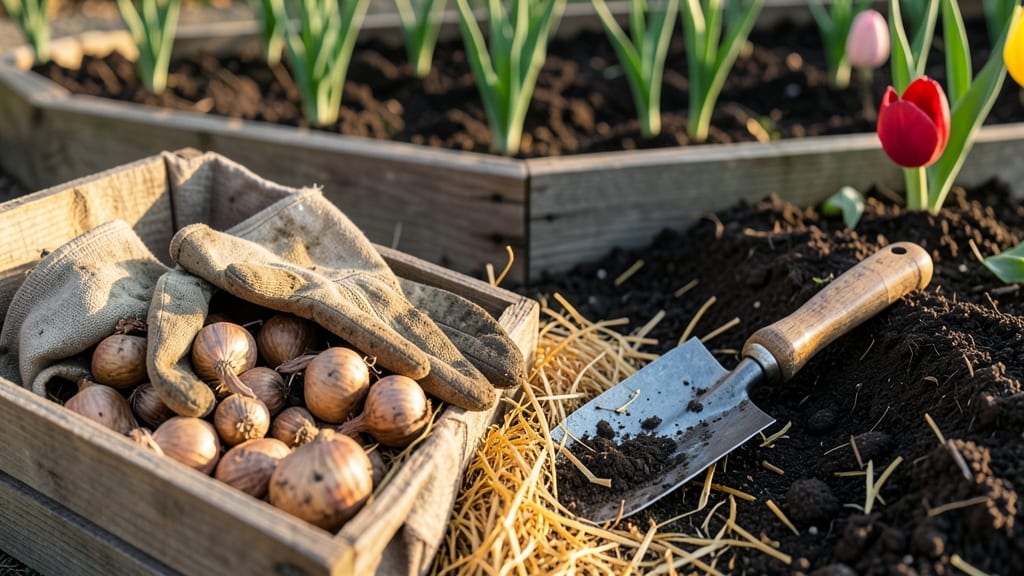
Planting tulips in Georgia might seem tricky with our warm winters and hot summers, but timing is everything—and getting it right means stunning 🌷 blooms that outshine the heat.
The secret lies in planting bulbs during that narrow October to December window, when the ground cools but frost hasn’t yet arrived.
Most gardeners in USDA Zones 7b-8b swear by late fall planting, but Georgia’s microclimates can shift that ideal time by weeks. Too early, and your bulbs might sprout before winter; too late, and they won’t root deeply enough to survive our mild winters.
I’ll show you exactly how to nail that balance so your tulips thrive.
What makes this even more critical is choosing heat-tolerant varieties that won’t bolt in Georgia’s summer heat. Some tulips simply wilt under our conditions, but the right cultivars—like Darwin Hybrids—stand tall and proud.
Let’s dive into the exact months, soil prep, and varieties that’ll make your garden the envy of the neighborhood.
Skip the guesswork and learn how to plant tulips for reliable blooms year after year, even in Georgia’s unpredictable climate. Whether you’re a first-time gardener or a seasoned pro, these tips will keep your tulips happy from bulb to bloom.
Best planting months for tulips in Georgia’s climate zones 7-8
Georgia’s USDA Zones 7b-8b offer a unique challenge for tulip lovers—the mild winters and hot summers can make traditional tulips struggle. But timing your fall planting just right ensures your bulbs establish roots before winter’s chill sets in.
The ideal window is October through early December, when soil temps drop below 60°F (15°C) but before the first frost.
In northern Georgia (Zone 7b), aim for mid-October to November, while southern Georgia (Zone 8b) gardeners should plant between late October and December.
This adjustment accounts for Georgia’s earlier frosts in the north and later frosts in the south, giving bulbs enough time to root without rotting in warm soil.
Missed the fall window? Don’t panic—January planting is your second chance, though blooms may arrive 2-3 weeks later than fall-planted tulips. Just ensure the ground isn’t frozen, and bulbs get 6-8 weeks of cold before spring warmth triggers blooming.
Here’s how Georgia’s microclimates affect your timing:
| Region | Best Planting Window | Soil Temp Goal | Frost Risk |
|---|---|---|---|
| Northern GA (Zone 7b) | Mid-October – November | Below 60°F (15°C) | First frost: Late Nov |
| Central GA (Zone 7b-8a) | Late October – Early Dec | Below 60°F (15°C) | First frost: Mid-Nov |
| Southern GA (Zone 8b) | Late Oct – December | Below 65°F (18°C) | First frost: Early Dec |
For container gardening, plant tulips in October-November too, but use well-draining pots to prevent bulb rot. Containers warm up faster, so monitor soil temps closely—bury pots in mulch to mimic ground insulation. In Zone 8b, consider cool-season containers with shade cloth to delay summer heat stress.
Pro tip: Test your soil’s drainage before planting. Tulips hate soggy roots, so amend heavy clay with compost or sand to improve airflow. A simple percolation test (pour water on soil—if it drains in 2 hours, you’re good; if not, amend it) saves bulbs from rotting over winter.
Once planted, mulch heavily (3-4 inches) with straw or shredded leaves to insulate bulbs and retain moisture. Remove mulch in late winter to avoid smothering emerging shoots. This extra layer is critical in Georgia’s mild winters, where bulbs might not get enough chill hours to bloom.
Watch for early spring warmth (common in Georgia by February-March) that can trick tulips into blooming too soon. If temps rise above 50°F (10°C) for extended periods, shade bulbs with burlap until nighttime temps drop below 40°F (4°C) to ensure strong stems and vibrant blooms.
Remember: Tulips are perennials in Georgia—with proper timing and care, they’ll return year after year. Just avoid fertilizing in fall (it encourages top growth, not root development) and wait until late winter for a light 5-10-10 fertilizer to fuel spring blooms.
Best planting months for tulips in Georgia’s climate zones 7-8
Georgia’s mild winters and hot summers create a unique challenge for tulip growers, but the key to success lies in planting bulbs during the 6-week window from mid-October to mid-December. This timing ensures bulbs establish roots before winter dormancy while avoiding premature sprouting from early warmth.
In USDA Zone 7b, aim for planting by November 15, while Zone 8b gardeners should finish by December 1.
The exact timing depends on your local frost dates—most of Georgia sees its first frost between November 15-30, but mountain regions (like Zone 7b) may frost earlier. Plant too late, and bulbs won’t root deeply enough to survive our warm winters.
Too early, and they might sprout before frost, damaging tender shoots. I’ve found the sweet spot is when soil temps drop to 50-60°F at 4 inches deep.
For gardeners in northern Georgia (Zone 7b), start planting late October to early November. In central/southern Georgia (Zone 8a-8b), wait until November 15-December 1 to avoid heat stress on newly planted bulbs. Use a soil thermometer to confirm—plant when temps consistently stay below 60°F.
| Zone | Ideal Planting Window | Soil Temp | Key Consideration |
|---|---|---|---|
| 7b (North GA) | Late Oct - Early Nov | 50-60°F | First frost risk by Nov 15 |
| 8a (Central GA) | Mid-Nov - Late Nov | 55-60°F | Warmer microclimates |
| 8b (South GA) | Nov 15 - Dec 1 | 60°F max | Mild winters delay frost |
Don’t assume all tulips perform equally in Georgia’s climate. Darwin Hybrid and Fosteriana varieties handle our heat better than traditional species tulips. For reliable blooms, plant bulbs 6-8 inches deep and 4-6 inches apart in well-draining soil.
Amend heavy clay soil with compost or sand to prevent rot—a common issue in Georgia’s humid summers.
After planting, mulch with 2-3 inches of straw to insulate bulbs through winter. Remove mulch in late winter to allow soil to warm for spring blooming. In Georgia’s Zone 8b, some tulips may even rebloom in fall if given proper care.
The key is consistent moisture during root establishment—water deeply after planting, then let nature take over until spring rains return.
Pro tip: Mark your planting spots with biodegradable flags or a garden journal. Georgia’s erratic weather can make it easy to forget where bulbs are planted, and digging them up accidentally can be disastrous.
With the right timing and varieties, your tulips will reward you with bold, long-lasting blooms that outshine even our hottest summers. 🌷